「アルミニウム高騰!世界の天井を突き抜ける――価格は止まらず史上最高水準、市場は極度の逼迫へ 2026年6月」
最終更新: 1 6月 2026
9935 閲覧数

アルミニウム高騰!2026年6月 – 過去4年間で最も激しい価格上昇
SO OK TRADING | 2026年6月1日
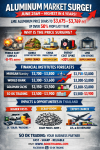
2026年6月、世界のアルミニウム市場は 「急騰と極度の逼迫」 に直面しています。 ロンドン金属取引所(LME)のアルミニウム先物価格は 1トンあたり 3,675~3,769ドル に達し、2022年以来の最高水準を記録。前年同期比で 50%以上の上昇 となりました。
なぜ価格が急騰しているのか?
中東紛争 – UAEのEGA、バーレーンのALBAといった大規模製錬所が攻撃を受け、生産能力が即座に8~9%減少。
ホルムズ海峡の航路停止 – 西側市場で実需不足が発生。
ギニアのボーキサイト輸出制限 – 世界有数の原料供給国が輸出規制を開始し、供給逼迫がさらに深刻化。
中国の生産上限 – 世界生産の61%を担う中国は年間4,550万トンの上限に達し、増産が不可能。
エネルギーコスト高騰 – 原油・天然ガス価格が30%以上上昇し、製錬コストが急増。
LME在庫危機 – 世界需要をわずか1.5日分しか支えられない低水準。
金融機関の見解
モルガン・スタンレー:3,700~3,800ドル(紛争が長期化すれば4,000ドル突破の可能性)
世界銀行:3,300~3,600ドル(AI・データセンター需要を反映)
ゴールドマン・サックス:3,150~3,500ドル(市場は供給不足へ)
ING Think / BCA Research:中国とギニアの影響で深刻な供給不足を指摘
SO OK TRADING:3,500~3,900ドルを予測
タイへの影響とチャンス
製造業コスト上昇:EV、電力網、ソーラー、包装業界が大きな圧力を受ける。
スクラップ価格上昇:リサイクル業者や製錬所で買い取り価格が上昇、利益確保の好機。
輸出チャンス:米国・欧州市場の供給不足により、タイの半製品やアルミ箔の輸出機会が拡大。
世界的なアルミニウム需要動向
EV:車両1台あたりのアルミ使用量が30~40%増加。
再生可能エネルギー:ソーラーパネルや風力発電設備、送電網構造に広く使用。
AI & データセンター:ヒートシンクやサーバーラック需要が急増。
エコ包装:プラスチックボトルからアルミ缶への転換が加速。
タイ国内での利用
自動車部品生産拠点:Tier1・Tier2工場がEV向け精密アルミ部品へシフト。
建設・不動産:窓枠、アルミ押出材、複合パネルなどに需要増。
食品・飲料包装:タイは世界的な缶製品輸出国で需要が堅調。
循環型経済:リサイクルアルミの利用拡大でエネルギーコスト95%削減、欧州の炭素税回避。
⚠️ 注目すべき課題
原材料価格の激しい変動(LMEアルミニウム)。
✨ まとめ
2026年6月は、アルミニウム市場が 「過去4年間で最も熱い月」 となり、供給ショックによる高騰が続いています。タイ国内はコスト圧力に直面しつつも、スクラップ価格上昇や輸出機会拡大という 戦略的チャンス を迎えています。
SO OK TRADING あなたのビジネスパートナー — FAST • SHARP • RELIABLE www.sooktrading.com Facebook: SO OK TRADING
SO OK TRADING | 2026年6月1日
2026年6月、世界のアルミニウム市場は 「急騰と極度の逼迫」 に直面しています。 ロンドン金属取引所(LME)のアルミニウム先物価格は 1トンあたり 3,675~3,769ドル に達し、2022年以来の最高水準を記録。前年同期比で 50%以上の上昇 となりました。
なぜ価格が急騰しているのか?
中東紛争 – UAEのEGA、バーレーンのALBAといった大規模製錬所が攻撃を受け、生産能力が即座に8~9%減少。
ホルムズ海峡の航路停止 – 西側市場で実需不足が発生。
ギニアのボーキサイト輸出制限 – 世界有数の原料供給国が輸出規制を開始し、供給逼迫がさらに深刻化。
中国の生産上限 – 世界生産の61%を担う中国は年間4,550万トンの上限に達し、増産が不可能。
エネルギーコスト高騰 – 原油・天然ガス価格が30%以上上昇し、製錬コストが急増。
LME在庫危機 – 世界需要をわずか1.5日分しか支えられない低水準。
金融機関の見解
モルガン・スタンレー:3,700~3,800ドル(紛争が長期化すれば4,000ドル突破の可能性)
世界銀行:3,300~3,600ドル(AI・データセンター需要を反映)
ゴールドマン・サックス:3,150~3,500ドル(市場は供給不足へ)
ING Think / BCA Research:中国とギニアの影響で深刻な供給不足を指摘
SO OK TRADING:3,500~3,900ドルを予測
タイへの影響とチャンス
製造業コスト上昇:EV、電力網、ソーラー、包装業界が大きな圧力を受ける。
スクラップ価格上昇:リサイクル業者や製錬所で買い取り価格が上昇、利益確保の好機。
輸出チャンス:米国・欧州市場の供給不足により、タイの半製品やアルミ箔の輸出機会が拡大。
世界的なアルミニウム需要動向
EV:車両1台あたりのアルミ使用量が30~40%増加。
再生可能エネルギー:ソーラーパネルや風力発電設備、送電網構造に広く使用。
AI & データセンター:ヒートシンクやサーバーラック需要が急増。
エコ包装:プラスチックボトルからアルミ缶への転換が加速。
タイ国内での利用
自動車部品生産拠点:Tier1・Tier2工場がEV向け精密アルミ部品へシフト。
建設・不動産:窓枠、アルミ押出材、複合パネルなどに需要増。
食品・飲料包装:タイは世界的な缶製品輸出国で需要が堅調。
循環型経済:リサイクルアルミの利用拡大でエネルギーコスト95%削減、欧州の炭素税回避。
⚠️ 注目すべき課題
原材料価格の激しい変動(LMEアルミニウム)。
✨ まとめ
2026年6月は、アルミニウム市場が 「過去4年間で最も熱い月」 となり、供給ショックによる高騰が続いています。タイ国内はコスト圧力に直面しつつも、スクラップ価格上昇や輸出機会拡大という 戦略的チャンス を迎えています。
SO OK TRADING あなたのビジネスパートナー — FAST • SHARP • RELIABLE www.sooktrading.com Facebook: SO OK TRADING


関連コンテンツ
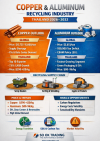
タイにおける銅・アルミニウムリサイクル産業
循環型経済の中核と世界市場の展望 2026–2032
SO OK TRADING による記事 — タイ非鉄金属ビジネスのエキスパート (2026年7月29日)
世界がグリーン経済とカーボンフットプリント削減へと進む中、銅とアルミニウムのリサイクル産業は循環型経済(Circular Economy)の中心的存在となり、「経済・環境・持続可能性」のバランスを真に実現する重要な役割を担っています。
これら二つの金属は物理的特性を失うことなく無限に再利用可能であり、さらにリサイクル工程は新たに鉱石から製造する場合と比べて最大95%のエネルギーを節約できます。その結果、この産業は経済的価値を創出するだけでなく、温室効果ガス排出削減の重要な仕組みとなり、世界中の企業が掲げるESG目標の達成にも貢献しています。
本記事では、SO OK TRADING がタイ国内の金属リサイクルビジネスの全体像を詳しく解説します。サプライチェーンの構造、価格設定、製品の違いから、2026–2032年における世界およびタイ市場の展望までを網羅し、非鉄金属産業が「グリーン経済の新たな血流」として進化していく要因と課題を分析します。
29 7月 2026
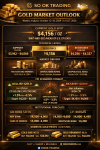
世界金価格分析 (Gold Spot) – 2026年10月12日〜18日
SO OK TRADING | 2026年10月14日
14 10月 2026
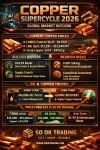
⚙️ 銅スーパーサイクル2026 – 未来の金属
銅は今、「AI時代の戦略的金属」へと進化しています。
価格は依然として高騰し、13,500–14,000ドル/トンに達しています。
AI・EV・クリーンエネルギーの需要拡大が世界的な需要を押し上げています。
SO OK TRADING が世界銅市場の動向を分析し、
新時代のビジネスに向けた「Buy on Dip」戦略をご提案します。
28 5月 2026
