SCRAP WARS 2026: クリーンメタルの戦い、低炭素時代へ – リサイクルアルミニウムは未来の戦略資源 廃材から黄金の力へ、市場を変革するアルミニウムのゲームチェンジ : SO OK TRADING : 2026年5月21日
最終更新: 21 5月 2026
2588 閲覧数
SCRAP WARS 2026: アルミスクラップ争奪戦 – 廃材から世界の黄金へ
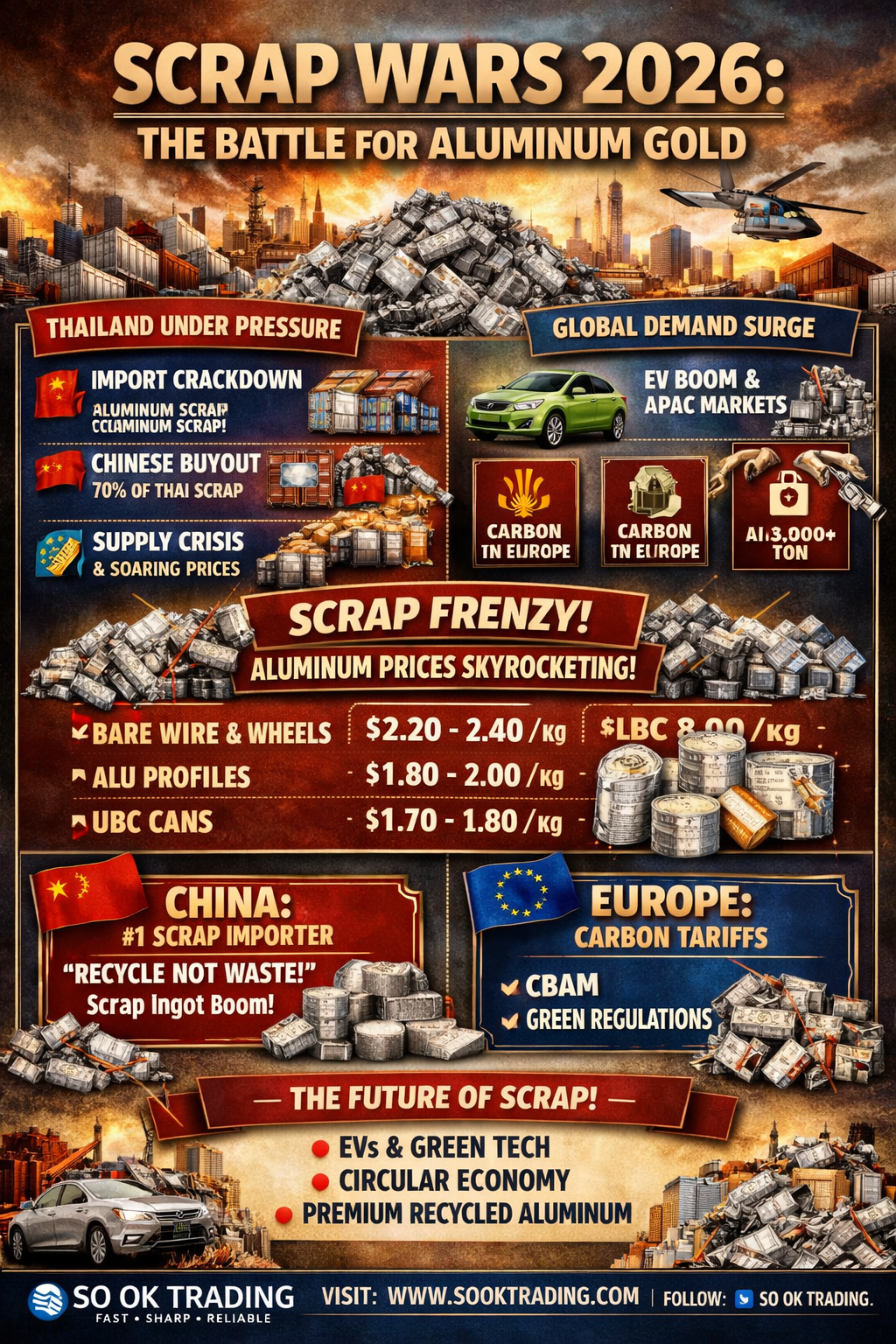
2026年はリサイクルの黄金時代! タイのアルミスクラップ市場は大きな転換期を迎えています。もはや「残り物」ではなく、世界が激しく奪い合う戦略的資源となりました ♻️
タイ市場の圧力
輸入規制強化:コンテナ検査、E-waste禁止 → 海外供給が困難
中国資本の買い占め:タイのスクラップの70%以上が中国へ → 国内製錬所は原料不足
世界価格の高騰:中東の製錬所停止 → タイ工場はスクラップを奪い合い、二次アルミ生産へシフト(エネルギー95%削減)
価格高騰・供給逼迫
裸線/ホイール:79–81 バーツ/kg
建築用アルミ材:65–70 バーツ/kg
厚物部品:60–68 バーツ/kg
UBC缶:62–64 バーツ/kg
小規模製錬所は長期契約がなく、原料不足で操業停止に追い込まれるケースも。
世界のゲームチェンジャー
LMEアルミ価格:3,500ドル/トン超
EV・ABS需要急増 → 軽量化・航続距離延長
APAC市場支配:中国・インド・日本がASEANから高品質スクラップを買い占め
AIソーティング技術 → 高精度選別でクリーンスクラップ価格急騰
EU CBAM炭素税 → 輸出制限・カーボンクレジット義務化
中国の動き
「廃棄物」から「再生原料」へ定義変更
RSI(Recycling Scrap Ingot)加工後の輸入を許可
プレミアムスクラップ輸入関税を引き下げ
タイは中国へのスクラップ輸出第1位(21.1%)
欧州の動き
CBAM本格施行 → カーボン証書購入義務
Pre-consumerスクラップ規制強化
EUは循環経済のため輸出制限を検討
今後の展望
EV・輸送分野 → 高グレードスクラップ需要拡大
グリーンビルディング → 建築業界で再生材利用増加
飲料・包装 → UBCリサイクル率90%超
再生可能エネルギー → ソーラーパネル・風力発電で新需要
AIソーティング → 5xxx・6xxxシリーズの高品質市場へ
世界政策 → 中国は吸収、EUは囲い込み、米国は規制強化
インサイト
クリーンスクラップ=高価格・高需要
汚染スクラップ=輸入禁止・販売困難
スクラップは「残り物」から 低炭素時代の黄金 へ。 供給を制し、選別を極めた者が世界市場をリードする!
SO OK TRADING 世界のリサイクル金属市場におけるあなたのビジネスパートナー FAST • SHARP • RELIABLE www.sooktrading.com Facebook: SO OK TRADING
2026年はリサイクルの黄金時代! タイのアルミスクラップ市場は大きな転換期を迎えています。もはや「残り物」ではなく、世界が激しく奪い合う戦略的資源となりました ♻️
タイ市場の圧力
輸入規制強化:コンテナ検査、E-waste禁止 → 海外供給が困難
中国資本の買い占め:タイのスクラップの70%以上が中国へ → 国内製錬所は原料不足
世界価格の高騰:中東の製錬所停止 → タイ工場はスクラップを奪い合い、二次アルミ生産へシフト(エネルギー95%削減)
価格高騰・供給逼迫
裸線/ホイール:79–81 バーツ/kg
建築用アルミ材:65–70 バーツ/kg
厚物部品:60–68 バーツ/kg
UBC缶:62–64 バーツ/kg
小規模製錬所は長期契約がなく、原料不足で操業停止に追い込まれるケースも。
世界のゲームチェンジャー
LMEアルミ価格:3,500ドル/トン超
EV・ABS需要急増 → 軽量化・航続距離延長
APAC市場支配:中国・インド・日本がASEANから高品質スクラップを買い占め
AIソーティング技術 → 高精度選別でクリーンスクラップ価格急騰
EU CBAM炭素税 → 輸出制限・カーボンクレジット義務化
中国の動き
「廃棄物」から「再生原料」へ定義変更
RSI(Recycling Scrap Ingot)加工後の輸入を許可
プレミアムスクラップ輸入関税を引き下げ
タイは中国へのスクラップ輸出第1位(21.1%)
欧州の動き
CBAM本格施行 → カーボン証書購入義務
Pre-consumerスクラップ規制強化
EUは循環経済のため輸出制限を検討
今後の展望
EV・輸送分野 → 高グレードスクラップ需要拡大
グリーンビルディング → 建築業界で再生材利用増加
飲料・包装 → UBCリサイクル率90%超
再生可能エネルギー → ソーラーパネル・風力発電で新需要
AIソーティング → 5xxx・6xxxシリーズの高品質市場へ
世界政策 → 中国は吸収、EUは囲い込み、米国は規制強化
インサイト
クリーンスクラップ=高価格・高需要
汚染スクラップ=輸入禁止・販売困難
スクラップは「残り物」から 低炭素時代の黄金 へ。 供給を制し、選別を極めた者が世界市場をリードする!
SO OK TRADING 世界のリサイクル金属市場におけるあなたのビジネスパートナー FAST • SHARP • RELIABLE www.sooktrading.com Facebook: SO OK TRADING


関連コンテンツ
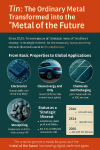
✨ 錫(すず):平凡な金属から「未来の金属」へ ✨
かつて錫は缶詰のコーティングに使われるだけの存在でした。
しかし今日では、AI・半導体・EVから次世代バッテリーに至るまで、
デジタル経済とクリーンエネルギーを牽引する 戦略資源 へと進化しました。
価格は急騰し、需要は天井を突き抜ける勢い
錫は「接着剤」としてAIとデータセンターをつなぐ
錫は次世代バッテリー革新の中心
錫はもはや単なる基礎金属ではなく、
世界が競い合って手に入れようとする 未来の資源 であり、
今後20年の世界経済の行方を決定づける存在となるでしょう。
27 2月 2026