「Copper Crunch 2026: 銅は世界を変える — SO OK TRADINGによる2026年第2四半期の銅価格分析|価格急騰!事業者が知るべき買い・売りポイント|戦争・AI・EV:戦略的金属としての銅の未来」 : 2026年4月1日
最終更新: 1 4月 2026
6269 閲覧数
「Copper Crunch 2026:銅が“戦略金属”となる未来へ
— 2026年4月および第2四半期の銅価格動向分析・SO OK TRADINGによる買いポイントと売りポイントの提案」 : 2026年4月1日
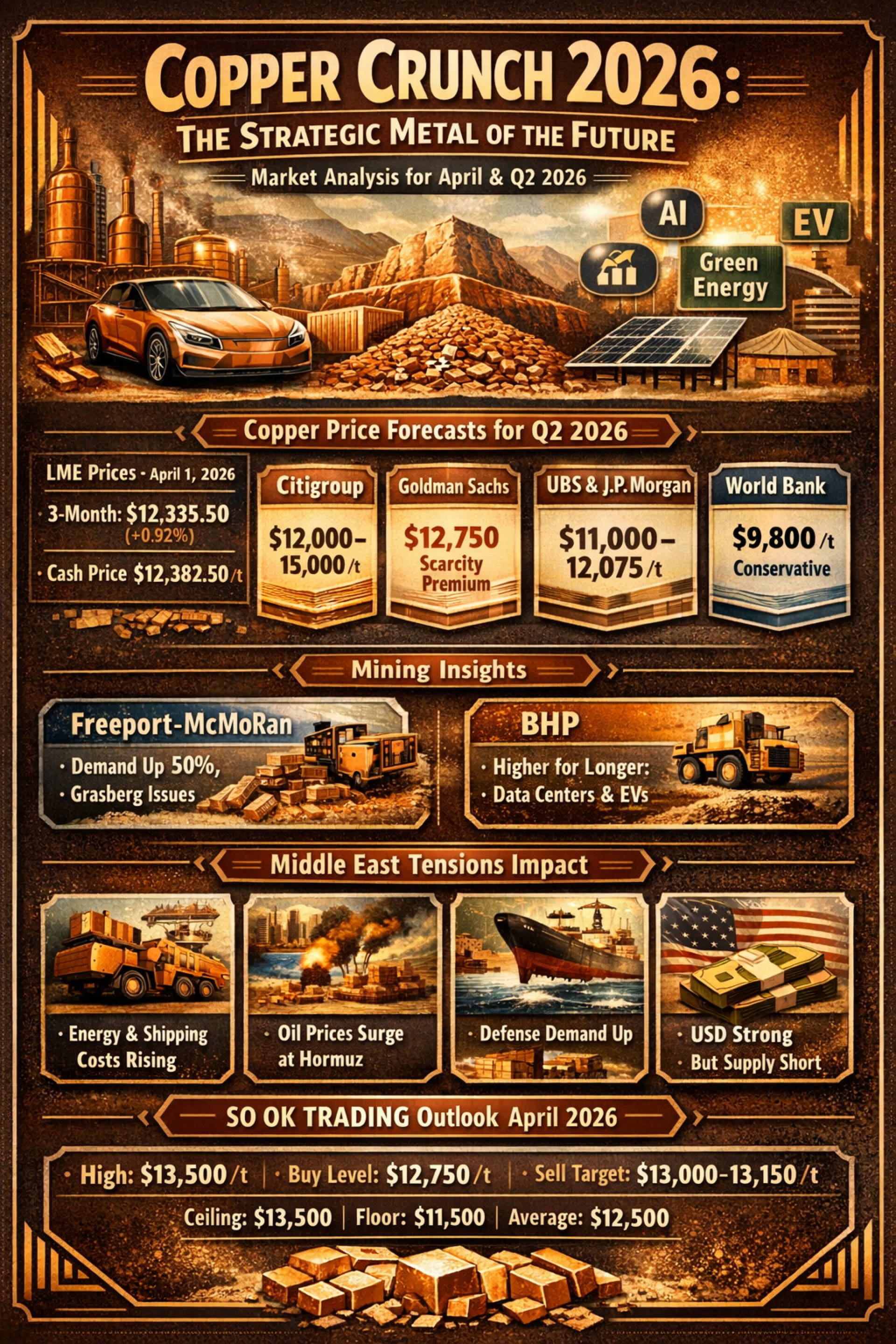
LME銅市場の現状
2026年4月1日、LME銅の3か月先物価格は 12,335.50 USD/トン(+0.92%)、即時決済価格は 12,382.50 USD/トン。
AI・EV・クリーンエネルギー需要に加え、中東紛争による地政学的リスクが価格を押し上げています。
金融機関・世界銀行・SO OK TRADINGの予測
Citi: Q2で 12,000–13,000 USD、供給不足が深刻化すれば 15,000 USD も視野
Goldman Sachs: 上半期目標を 12,750 USD に引き上げ、「希少性プレミアム」を強調。年末は 11,000–11,200 USD に調整予測
UBS & J.P. Morgan: 年間平均 11,000–12,075 USD、精製銅の供給不足約 330,000トン
World Bank: 慎重姿勢で平均 9,800 USD → 過小評価の可能性大
SO OK TRADING: 4月の予測値 → High 13,500 USD、Average 12,850 USD、Floor 12,500 USD。推奨買い水準 12,750 USD、売り水準 13,000–13,150 USD
⛏️ 鉱山会社の見解
Freeport-McMoRan: 2040年までに世界需要50%増を予測。ただしGrasberg鉱山の問題で2026年販売目標を 34億ポンド に下方修正
BHP: 「Higher for Longer」視点。データセンターとEV需要が2026年を通じて市場を逼迫させると予測
⚔️ 中東紛争の影響
輸送コスト上昇: 紅海航路閉鎖で運賃・保険料が急騰
原油価格: ホルムズ海峡に波及すれば原油高騰 → 銅採掘・精錬コスト増
防衛需要: 軍需産業での銅需要が増加
ドル高: 通常は商品価格を抑制するが、供給不足が強く価格を支える
価格レンジ予測(2026年4月)
紛争限定的 → 12,200–12,500 USD
紛争拡大 → 13,000+ USD
一時停戦 → 11,500–11,800 USD
Q2/2026 総合見通し
Ceiling: 13,500 USD/トン
Floor: 11,500 USD/トン
Average: 12,500 USD/トン
Bias: 強気(供給不足が顕著)
事業者向け戦略
Buy on Dip: 12,000 USD付近での買いが最適
Hedging: 調整局面で価格を固定し、急騰リスクを回避
Long-term: 2030年までに累積供給不足 500万〜1000万トン。世界は「Copper Crunch」時代へ
銅はもはや単なる工業金属ではなく、“戦略金属”として世界経済の未来を形作る存在です。AI・EV・クリーンエネルギー、そして地政学的リスクが絡み合う2026年、銅価格は市場メカニズム以上に資源安全保障によって動かされるでしょう。
SO OK TRADING — FAST • SHARP • RELIABLE
Copper Crunch時代のビジネスパートナー
www.sooktrading.com
— 2026年4月および第2四半期の銅価格動向分析・SO OK TRADINGによる買いポイントと売りポイントの提案」 : 2026年4月1日
LME銅市場の現状
2026年4月1日、LME銅の3か月先物価格は 12,335.50 USD/トン(+0.92%)、即時決済価格は 12,382.50 USD/トン。
AI・EV・クリーンエネルギー需要に加え、中東紛争による地政学的リスクが価格を押し上げています。
金融機関・世界銀行・SO OK TRADINGの予測
Citi: Q2で 12,000–13,000 USD、供給不足が深刻化すれば 15,000 USD も視野
Goldman Sachs: 上半期目標を 12,750 USD に引き上げ、「希少性プレミアム」を強調。年末は 11,000–11,200 USD に調整予測
UBS & J.P. Morgan: 年間平均 11,000–12,075 USD、精製銅の供給不足約 330,000トン
World Bank: 慎重姿勢で平均 9,800 USD → 過小評価の可能性大
SO OK TRADING: 4月の予測値 → High 13,500 USD、Average 12,850 USD、Floor 12,500 USD。推奨買い水準 12,750 USD、売り水準 13,000–13,150 USD
⛏️ 鉱山会社の見解
Freeport-McMoRan: 2040年までに世界需要50%増を予測。ただしGrasberg鉱山の問題で2026年販売目標を 34億ポンド に下方修正
BHP: 「Higher for Longer」視点。データセンターとEV需要が2026年を通じて市場を逼迫させると予測
⚔️ 中東紛争の影響
輸送コスト上昇: 紅海航路閉鎖で運賃・保険料が急騰
原油価格: ホルムズ海峡に波及すれば原油高騰 → 銅採掘・精錬コスト増
防衛需要: 軍需産業での銅需要が増加
ドル高: 通常は商品価格を抑制するが、供給不足が強く価格を支える
価格レンジ予測(2026年4月)
紛争限定的 → 12,200–12,500 USD
紛争拡大 → 13,000+ USD
一時停戦 → 11,500–11,800 USD
Q2/2026 総合見通し
Ceiling: 13,500 USD/トン
Floor: 11,500 USD/トン
Average: 12,500 USD/トン
Bias: 強気(供給不足が顕著)
事業者向け戦略
Buy on Dip: 12,000 USD付近での買いが最適
Hedging: 調整局面で価格を固定し、急騰リスクを回避
Long-term: 2030年までに累積供給不足 500万〜1000万トン。世界は「Copper Crunch」時代へ
銅はもはや単なる工業金属ではなく、“戦略金属”として世界経済の未来を形作る存在です。AI・EV・クリーンエネルギー、そして地政学的リスクが絡み合う2026年、銅価格は市場メカニズム以上に資源安全保障によって動かされるでしょう。
SO OK TRADING — FAST • SHARP • RELIABLE
Copper Crunch時代のビジネスパートナー
www.sooktrading.com


関連コンテンツ
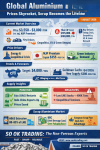
2026年は世界の金属市場にとって大きな変動の年となりました。特に「アルミニウム」は価格が連続的に高騰し、過去10年間で最高水準に達しました。これは中東のエネルギー危機や世界的な地政学的不安定の影響を受けたものであり、一方で電気自動車(EV)やクリーンエネルギー産業からの需要は依然として力強く拡大しています。
2026年8月、世界のアルミニウム市場は依然として「熱く、脆弱」な状態にあります。LME価格は3,550〜3,800ドル/トン(MJPプレミアム込み)を維持し、タイの事業者にとっては平均135,000〜140,000バーツ/トンのコスト負担となっています。地域全体で原材料の争奪戦が激化しています。
このような変動の中で、「再生アルミニウム(Scrap)」は世界の産業にとって主要な生存戦略となっています。タイの製錬所やメーカーは、純アルミニウムの代替として高品質スクラップを使用し、コスト削減と環境持続性(ESG)への対応を進めています。
SO OK TRADINGは、非鉄金属分野におけるビジネスパートナーとして、世界アルミニウム市場のリスク管理に関する深い洞察と戦略を提供し、タイの事業者が「Fast • Sharp • Reliable」に適応できるよう支援します。
1 8月 2026
金価格が予想を超えて急騰!
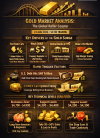
先週、世界の金市場は投資家を驚かせる動きを見せました。わずか数日で300ドル以上急騰し、1オンス=4,680ドルという新高値を記録。さらにタイ国内の金現物価格も 71,150バーツ/バーツ金 を突破しました。
この動きは単なる「一時的な買い」ではなく、世界市場の構造的な変化を反映しています。FRBの利下げ期待、ドル安、各国中央銀行による金の積極的な買い増し が、金を「新時代の安全資産」へと押し上げているのです。
SO OK TRADING は、金市場のあらゆる側面を徹底分析します。基礎的要因、急激なトリガー要因、テクニカルなサポート・レジスタンス、そして投資家タイプ別の戦略まで。あなたが「金価格のジェットコースター」に自信を持って対応できるようサポートします。
✨ 本投稿で詳細な分析をご覧ください。
SO OK TRADING の戦略的視点を通じて、金市場を深く理解し、8月後半の高いボラティリティに備えましょう。
SO OK TRADING : FAST SHARP RELIABLE
貴金属投資の世界におけるあなたのビジネスパートナー
23 8月 2026

An analysis of the aluminum market in 2026 indicates a likely continued market deficit and upward price pressure, driven by constrained supply and resilient demand from green energy sectors. However, significant volatility is expected due to policy uncertainties and the potential for new Indonesian supply to eventually balance the market.
Key Drivers and Projections for 2026
Supply Side Analysis
Capacity Constraints: China's primary aluminum output is approaching its self-imposed 45 million-tonne capacity cap, limiting global supply growth.
Power Challenges: Smelters outside of China face intense competition for power from energy-intensive sectors like AI data centers, which are willing to pay higher prices for long-term contracts. This has kept significant capacity offline in Europe and the US.
Production Disruptions: Outages and potential shutdowns at existing smelters in Iceland and Mozambique further tighten the market.
Scrap Supply Pressure: The EU's planned implementation of the Carbon Border Adjustment Mechanism (CBAM) and potential scrap export tariffs in spring 2026 are expected to impact global scrap flows, creating regional shortages and price volatility.
New Capacity: Indonesia is a key source of new supply, with several projects in the pipeline. However, analysts suggest the pace of the ramp-up may be slower than expected due to infrastructure and policy challenges, meaning it is unlikely to fully offset near-term tightness.
Demand Side Analysis
Green Transition Demand: Demand from "green" sectors such as solar panels, new energy vehicles, and energy transition infrastructure remains strong, providing fundamental support for the market.
Substitution Effect: Aluminum's wide price discount relative to copper has encouraged substitution in electrical applications, acting as a tailwind for demand and prices.
Construction and Automotive: The construction and automotive industries continue to be major consumers, with growing demand for lightweight, low-carbon aluminum products.
Price Forecasts and Volatility
The market is expected to remain in a deficit in 2026, with estimates ranging from 200,000 to 600,000 tonnes. This structural tightness is leading most analysts to forecast sustained or rising prices.
Bullish Views: Analysts at Bank of America project prices of $3,000/tonne as early as 2026. J.P. Morgan also expects prices to approach $3,000/tonne in Q1 2026. ING forecasts an average price of $2,900/tonne for the year.
Bearish/Conservative Views: Goldman Sachs is an outlier, forecasting prices to decline to $2,350/tonne by Q4 2026, anticipating a market surplus later in the year. SMM forecasts a "high first, then lower" pattern, with prices finding equilibrium in the $2,700–$2,800/tonne range by year-end.
Premiums: Regional premiums, particularly the US Midwest premium, are expected to remain high and volatile due to tariffs and regional supply dynamics, creating a disconnect from the LME benchmark price.
In essence, 2026 is projected to be a year of high volatility where participants need to focus on scenario readiness rather than relying on a single price forecast, as geopolitical and energy policies significantly influence regional supply and costs
31 12月 2025
