「アルミニウムビレット:金属の塊から未来の構造を動かす力へ」 SO OK TRADING による記事|2026年3月14日
最終更新: 14 3月 2026
2949 閲覧数
アルミニウムビレット:金属の塊から未来の構造を動かす力へ
SO OK TRADING による記事|2026年3月14日
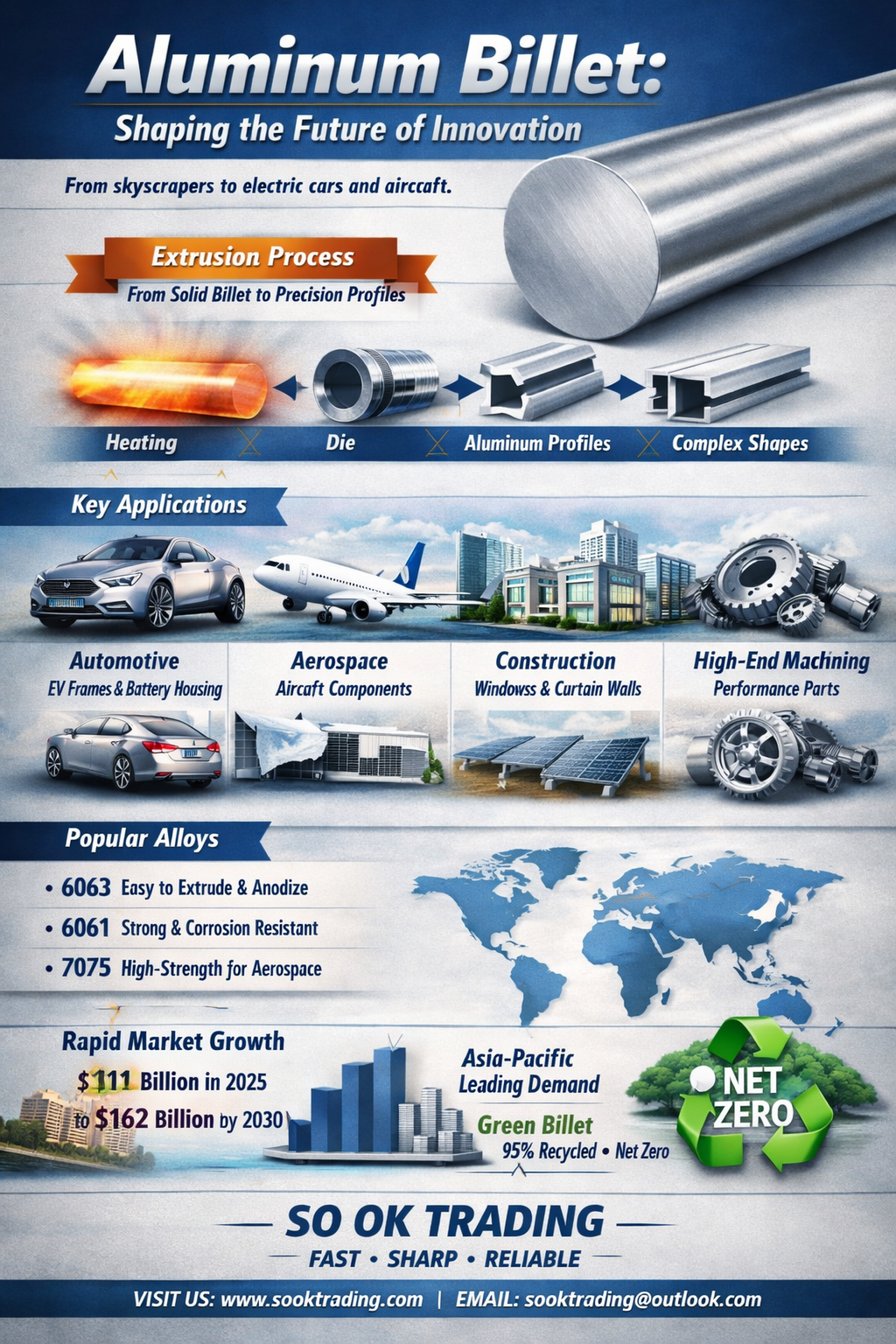
一見するとただのアルミニウムの塊。しかし実際には、私たちの身の回りにあるイノベーションの「出発点」です。高層ビル、電気自動車、さらには航空機まで──すべてはアルミニウムビレット(Aluminum Billet)から始まります。
押出成形(Extrusion):金属塊からプロファイルへ
ビレットは適切な温度まで加熱され、その後専用のダイ(Die)を通して押し出されます。結果として、窓枠、機械フレーム、電気自動車部品など、複雑な断面形状を持つアルミニウムプロファイルが生まれます。このプロセスこそが、ビレットを日常生活で使える素材へと変える鍵です。
幅広い用途 — 産業全体をカバー
自動車産業(Automotive): 軽量かつ強度の高い車体構造、バッテリーハウジング、サスペンション部品
航空宇宙(Aerospace): 高強度が求められる航空機構造部品
建設・建築(Construction): 窓枠、カーテンウォール、高層建築の構造材、美しい仕上げ材
産業・エンジニアリング(Industrial & Engineering): 電子機器のヒートシンク、機械フレーム、空調管、ソーラーパネル支持構造
高精度 CNC 加工(High-End Machining): レーシングカー用エンジンブロック、プレミアムホイール、ドローン部品など
人気の合金グレードと特性
6063: 押出しやすく、美しい表面、陽極酸化処理に適し、窓や装飾材に最適
6061: 強度が高く耐食性に優れ、車両構造や重量を支えるエンジニアリング用途に使用
7075: 鋼鉄並みの強度を持ち、航空機、レーシングカー、スポーツ用品に利用
市場と成長トレンド
アルミニウムビレット市場は拡大を続けています。2025年には約1,110億ドル、2030年には1,628億ドルに達すると予測され、年平均成長率は8%以上。
アジア太平洋地域 が最大の消費地で、中国は年間4,500万トン以上を使用。
北米・欧州 は電気自動車や航空宇宙分野での需要が拡大。
グリーンビレット(Green Billet) はリサイクル率95%を誇り、Net Zero を目指す企業に支持されています。
ビレットが求められる理由
軽量でありながら強度が高い
溶接しやすく耐食性に優れる
陽極酸化処理で美しい仕上げが可能
環境に優しく、持続可能な生産が可能
アルミニウムビレットは単なる金属ではなく、未来の構造を支える「原点」です。私たちの住む家、乗る車、飛行機──すべてにビレットが息づいています。そしてこれからの世界は、より「クリーンで持続可能なビレット」を必要としています。
SO OK TRADING:あなたのビジネスパートナー
FAST • SHARP • RELIABLE
詳しくは: www.sooktrading.com
お問い合わせ: sooktrading@outlook.com
SO OK TRADING による記事|2026年3月14日
一見するとただのアルミニウムの塊。しかし実際には、私たちの身の回りにあるイノベーションの「出発点」です。高層ビル、電気自動車、さらには航空機まで──すべてはアルミニウムビレット(Aluminum Billet)から始まります。
押出成形(Extrusion):金属塊からプロファイルへ
ビレットは適切な温度まで加熱され、その後専用のダイ(Die)を通して押し出されます。結果として、窓枠、機械フレーム、電気自動車部品など、複雑な断面形状を持つアルミニウムプロファイルが生まれます。このプロセスこそが、ビレットを日常生活で使える素材へと変える鍵です。
幅広い用途 — 産業全体をカバー
自動車産業(Automotive): 軽量かつ強度の高い車体構造、バッテリーハウジング、サスペンション部品
航空宇宙(Aerospace): 高強度が求められる航空機構造部品
建設・建築(Construction): 窓枠、カーテンウォール、高層建築の構造材、美しい仕上げ材
産業・エンジニアリング(Industrial & Engineering): 電子機器のヒートシンク、機械フレーム、空調管、ソーラーパネル支持構造
高精度 CNC 加工(High-End Machining): レーシングカー用エンジンブロック、プレミアムホイール、ドローン部品など
人気の合金グレードと特性
6063: 押出しやすく、美しい表面、陽極酸化処理に適し、窓や装飾材に最適
6061: 強度が高く耐食性に優れ、車両構造や重量を支えるエンジニアリング用途に使用
7075: 鋼鉄並みの強度を持ち、航空機、レーシングカー、スポーツ用品に利用
市場と成長トレンド
アルミニウムビレット市場は拡大を続けています。2025年には約1,110億ドル、2030年には1,628億ドルに達すると予測され、年平均成長率は8%以上。
アジア太平洋地域 が最大の消費地で、中国は年間4,500万トン以上を使用。
北米・欧州 は電気自動車や航空宇宙分野での需要が拡大。
グリーンビレット(Green Billet) はリサイクル率95%を誇り、Net Zero を目指す企業に支持されています。
ビレットが求められる理由
軽量でありながら強度が高い
溶接しやすく耐食性に優れる
陽極酸化処理で美しい仕上げが可能
環境に優しく、持続可能な生産が可能
アルミニウムビレットは単なる金属ではなく、未来の構造を支える「原点」です。私たちの住む家、乗る車、飛行機──すべてにビレットが息づいています。そしてこれからの世界は、より「クリーンで持続可能なビレット」を必要としています。
SO OK TRADING:あなたのビジネスパートナー
FAST • SHARP • RELIABLE
詳しくは: www.sooktrading.com
お問い合わせ: sooktrading@outlook.com


関連コンテンツ
シルバー – 未来の金属
クリーンエネルギーと先端技術が世界経済の中心となる時代において、「銀 (Silver)」はもはや単なる装飾用の貴金属ではありません。ソーラーパネル、電気自動車、さらにはAIインフラまで、未来産業を支える戦略的な原材料へと進化しています。
この記事では、銀のあらゆる側面を深掘りします:
13 2月 2026
中東危機 2026:停戦拒否から全面戦争リスクへ、そして世界経済への衝撃
✨ 序文
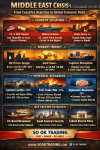
2026年10月5日現在、中東地域は数十年来で最も重要な転換点に差し掛かっています。アメリカ合衆国は ドナルド・トランプ大統領 の指導の下、イランが提案した 7日間の停戦案 を拒否し、外交・軍事・世界経済の各分野で緊張が急速に拡大しています。
この二大勢力の対立は政治的安定に影響を与えるだけでなく、原油価格・金価格・国際物流システム にも深刻な波紋を広げており、世界市場は日々高まる不確実性に反応し始めています。
世界の注目が集まる ホルムズ海峡 —— エネルギー貿易の生命線において、アメリカとその同盟国の動き、そしてイランやイエメンのフーシ派による応酬が、2026年最後の四半期 における世界経済の行方を左右する重要な要因となりつつあります。
SO OK TRADING — FAST • SHARP • RELIABLE
5 10月 2026
SO OK TRADING — 非鉄金属業界の真のリーダー
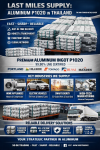
LAST MILES SUPPLY: アルミニウムインゴット P1020 タイにて
2026年9月5日
産業界において一瞬一瞬が重要な時代、「ラストマイルサプライ」は高品質な原材料を最終工場へ届ける最も重要な瞬間です。生産ラインを途切れさせず、最大限の効率を維持するために不可欠なプロセスです。
SO OK TRADING CO., LTD. は非鉄金属業界の真のリーダーであり、アルミニウムインゴット P1020 (99.70% LME認定ブランド) の販売に特化しています。これらは ロンドン金属取引所 (LME) によって認証され、世界市場で高く評価されています。
私たちはプレミアム品質の商品を迅速・正確・透明性のあるサービスで提供し、生産のあらゆる段階でお客様に安心をお届けします。
私たちの4つの強み — FAST • SHARP • RELIABLE, HONEST & TRANSPARENT VALUE, PAIN POINT SOLVER, GLOBAL NETWORK — により、SO OK TRADING はタイ国内外の工場から信頼される戦略的パートナーとなっています。
タイ国内に倉庫を構え、2トンから25トンまでの配送に対応可能。すべての輸送は Safety First Logistics の理念に基づき、安全かつ時間通りに行われます。
世界がクリーンエネルギーとグリーン経済へ移行する今、SO OK TRADING のアルミニウム P1020 は持続可能で強靭、そして高効率な生産の答えです。
SO OK TRADING : FAST • SHARP • RELIABLE
あなたの非鉄金属産業におけるビジネスパートナー
5 9月 2026
