「2026年: グリーン経済とスマート農業への転換期 — グリーンエネルギーは生き残りの道、農業は富の源。タイは木質ペレット、キャッサバ、ドリアンという世界が求めるスター商品で世界市場に挑む」
最終更新: 3 3月 2026
3309 閲覧数
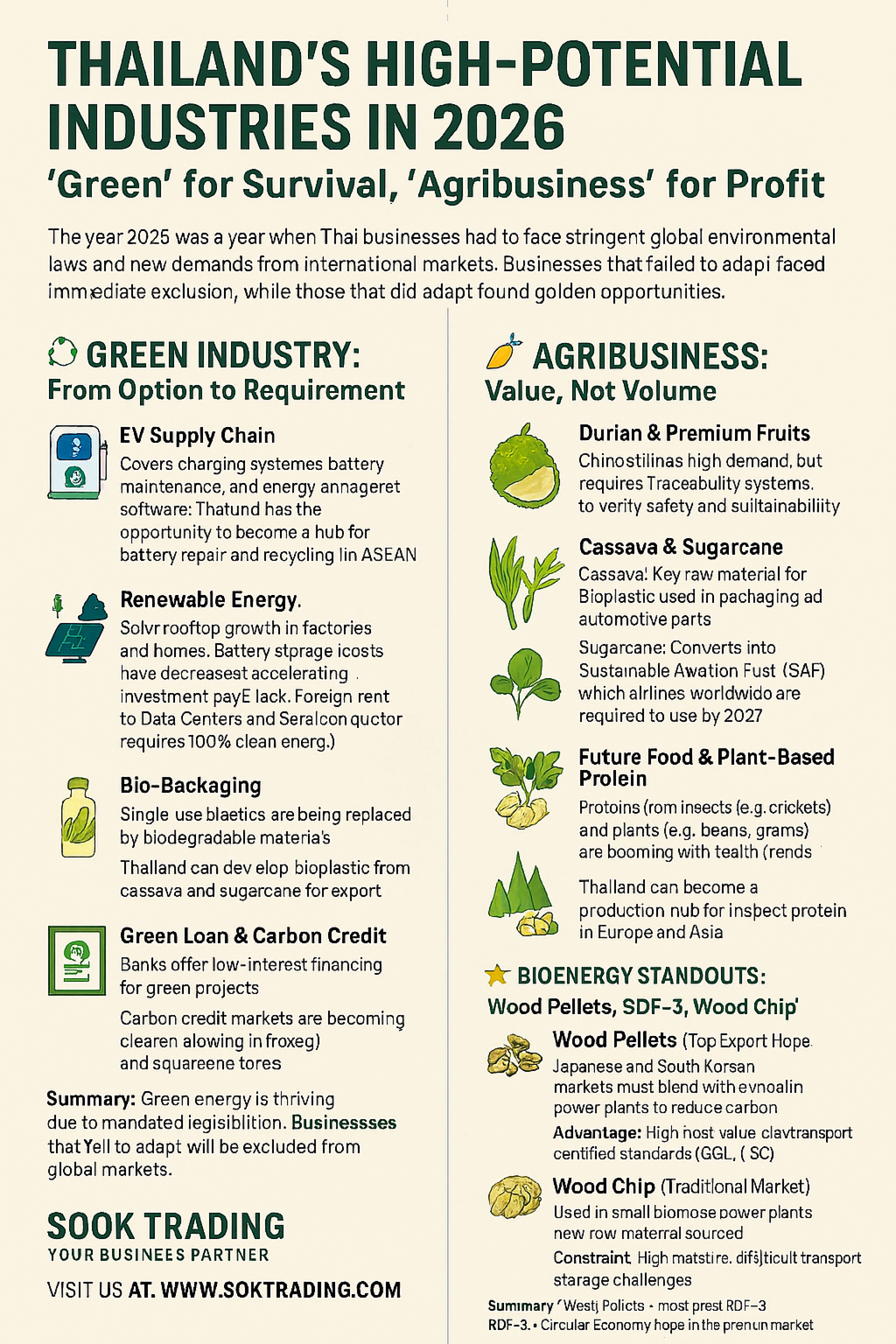
2026年 タイの成長産業: 「グリーン」は生き残り、「農業」は繁栄
グリーンとはグリーンエネルギー、環境に優しいエネルギー。
農業の注目商品は、バイオ燃料用のキャッサバやサトウキビ、そして輸出向けのプレミアムフルーツ(ドリアンなど)。
2026年は、タイのビジネスが厳格な国際環境法と新しい世界市場の需要に直面する年です。
適応できなければ即座に排除されますが、適応できれば産業とビジネスにとって黄金のチャンスとなります。
♻️ グリーン産業 (Green Industry): オプションから必須へ
EVサプライチェーン: 充電システム、バッテリー保守、エネルギー管理ソフトウェア。タイはASEANにおけるバッテリー修理・リサイクルのハブとなる可能性。
再生可能エネルギー: 工場や家庭でのソーラールーフトップ急成長。バッテリーストレージの価格低下で投資回収が早まる。データセンターや半導体投資は100%クリーンエネルギー必須。
バイオパッケージ: 使い捨てプラスチックは生分解性素材に置き換え。キャッサバやサトウキビ由来のバイオプラスチックを輸出可能。
グリーンローン & カーボンクレジット: 銀行は低金利でグリーンプロジェクトを融資。カーボンクレジット市場が明確化し、森林造成やクリーンエネルギーが直接収益化可能。
まとめ: グリーンエネルギーは法律によって義務化。適応しない企業は世界市場から排除される。
農業産業 (Agribusiness): 量より価値
プレミアムフルーツ (ドリアンなど): 中国で高需要。安全性と持続可能性を保証するトレーサビリティが必須。
キャッサバ & サトウキビ: キャッサバはバイオプラスチック原料。サトウキビは持続可能航空燃料(SAF)に加工、2027年までに航空業界で義務化。
フューチャーフード & 植物性タンパク質: 昆虫タンパク質(コオロギなど)、豆類・穀物由来の植物性タンパク質。健康志向市場で急成長。タイは欧州・アジア向け昆虫タンパク質のハブに。
ハーブ & 機能性食品: ウコン、生姜、ツボクサは世界的なサプリ・化粧品市場で需要拡大。
成長の早い樹木 (ユーカリ、アカシア): 木質ペレット生産、さらにカーボンクレジット販売も可能。
バイオマス燃料のスター: Wood Pellets, RDF-3, Wood Chip
Wood Pellets (輸出の希望): 日本・韓国市場で石炭混焼に必須。高発熱量、輸送容易、国際認証あり。タイ政府は早成樹の植林を支援。
RDF-3 (国内市場): セメント工場や廃棄物発電で使用。循環型経済に貢献し、石炭依存を削減。ただし品質の不安定さと廃棄物分別の課題あり。
Wood Chip (従来市場): 小規模バイオマス発電で利用。湿度が高く輸送・保管が難しい。プレミアム市場ではWood Pelletsに押されつつある。
まとめ:
Wood Pellets = 輸出のスター
RDF-3 = 国内循環型経済の希望
Wood Chip = 依然利用可能だが新しいバイオ燃料に押される
2026年戦略の結論
グリーン産業 = 生き残りの道 → 適応しない企業は世界市場から排除
バイオ農業 = 富の源 → タイ農業は「生産物販売」から「産業原料」へ転換
Wood Pellets, RDF-3, Wood Chip = 循環型経済への移行の指標
キャッサバ & サトウキビ = バイオリファイナリーの中心、タイ農業を世界市場へ
✨ 2026年は「大量生産の競争」ではなく、「世界トレンドと持続可能基準に沿った生産の競争」
SO OK TRADING: あなたのビジネスパートナー VISIT US AT: WWW.SOOKTRADING.COM
グリーンとはグリーンエネルギー、環境に優しいエネルギー。
農業の注目商品は、バイオ燃料用のキャッサバやサトウキビ、そして輸出向けのプレミアムフルーツ(ドリアンなど)。
2026年は、タイのビジネスが厳格な国際環境法と新しい世界市場の需要に直面する年です。
適応できなければ即座に排除されますが、適応できれば産業とビジネスにとって黄金のチャンスとなります。
♻️ グリーン産業 (Green Industry): オプションから必須へ
EVサプライチェーン: 充電システム、バッテリー保守、エネルギー管理ソフトウェア。タイはASEANにおけるバッテリー修理・リサイクルのハブとなる可能性。
再生可能エネルギー: 工場や家庭でのソーラールーフトップ急成長。バッテリーストレージの価格低下で投資回収が早まる。データセンターや半導体投資は100%クリーンエネルギー必須。
バイオパッケージ: 使い捨てプラスチックは生分解性素材に置き換え。キャッサバやサトウキビ由来のバイオプラスチックを輸出可能。
グリーンローン & カーボンクレジット: 銀行は低金利でグリーンプロジェクトを融資。カーボンクレジット市場が明確化し、森林造成やクリーンエネルギーが直接収益化可能。
まとめ: グリーンエネルギーは法律によって義務化。適応しない企業は世界市場から排除される。
農業産業 (Agribusiness): 量より価値
プレミアムフルーツ (ドリアンなど): 中国で高需要。安全性と持続可能性を保証するトレーサビリティが必須。
キャッサバ & サトウキビ: キャッサバはバイオプラスチック原料。サトウキビは持続可能航空燃料(SAF)に加工、2027年までに航空業界で義務化。
フューチャーフード & 植物性タンパク質: 昆虫タンパク質(コオロギなど)、豆類・穀物由来の植物性タンパク質。健康志向市場で急成長。タイは欧州・アジア向け昆虫タンパク質のハブに。
ハーブ & 機能性食品: ウコン、生姜、ツボクサは世界的なサプリ・化粧品市場で需要拡大。
成長の早い樹木 (ユーカリ、アカシア): 木質ペレット生産、さらにカーボンクレジット販売も可能。
バイオマス燃料のスター: Wood Pellets, RDF-3, Wood Chip
Wood Pellets (輸出の希望): 日本・韓国市場で石炭混焼に必須。高発熱量、輸送容易、国際認証あり。タイ政府は早成樹の植林を支援。
RDF-3 (国内市場): セメント工場や廃棄物発電で使用。循環型経済に貢献し、石炭依存を削減。ただし品質の不安定さと廃棄物分別の課題あり。
Wood Chip (従来市場): 小規模バイオマス発電で利用。湿度が高く輸送・保管が難しい。プレミアム市場ではWood Pelletsに押されつつある。
まとめ:
Wood Pellets = 輸出のスター
RDF-3 = 国内循環型経済の希望
Wood Chip = 依然利用可能だが新しいバイオ燃料に押される
2026年戦略の結論
グリーン産業 = 生き残りの道 → 適応しない企業は世界市場から排除
バイオ農業 = 富の源 → タイ農業は「生産物販売」から「産業原料」へ転換
Wood Pellets, RDF-3, Wood Chip = 循環型経済への移行の指標
キャッサバ & サトウキビ = バイオリファイナリーの中心、タイ農業を世界市場へ
✨ 2026年は「大量生産の競争」ではなく、「世界トレンドと持続可能基準に沿った生産の競争」
SO OK TRADING: あなたのビジネスパートナー VISIT US AT: WWW.SOOKTRADING.COM


関連コンテンツ
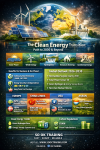
⚡ 再生可能エネルギー:クリーン電力時代への転換点
世界は本格的に「クリーン電力時代」へ突入しています。
再生可能エネルギーはもはや補完的な選択肢ではなく、
新しい世界経済の「中心的な心臓部」となりつつあります。
太陽光、風力、水力、そしてグリーン水素まで ——
あらゆる技術が NET ZERO という目標に向けて世界を動かしています。
3 5月 2026
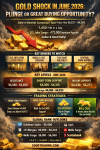
「2026年6月世界の金市場 – 急落で市場を揺るがすも、依然として大きな買いのチャンス」
BY SO OK TRADING | 2026年6月6日
世界の金価格は今年最大の急落を記録!
米国の雇用統計(非農業部門雇用者数)が予想を大幅に上回り、17万2千人増となったことで、FRBが高金利を長期維持するとの見方が強まりました。その結果、金価格は $4,400 を割り込み、$4,327 – $4,365 まで下落。タイ国内の金現物価格も一日で 1,450バーツ 下落し、67,500バーツ となりました。
しかし、この「ショック」の中にはまだ ゴールデンチャンス が潜んでいます!
Goldman Sachs、J.P. Morgan、UBS、Wells Fargo など世界の大手金融機関は、2026年後半に金価格が再び史上最高値を更新すると予測しています。
6 6月 2026
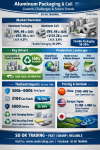
アルミ包装・アルミコイル市場:成長、課題、そして未来の方向性
SO OK TRADING | 2026年9月21日
世界が持続可能性(Sustainability)と循環型経済(Circular Economy)へと進む中、
アルミニウムは包装産業の未来素材として注目されています。100%リサイクル可能で品質を損なわず、食品・飲料・医薬品市場の拡大に応える存在です。
世界のアルミ包装市場は 2025年の664億ドル から 2033年には921億ドル へ成長が見込まれています。
一方、アルミコイル市場は 2026年の954億ドル から 2035年には1,312億ドル へ拡大し、持続可能性・リサイクル・環境配慮型技術が主要な成長要因となっています。
SO OK TRADING はタイにおけるアルミ事業のビジネスパートナーとして、
世界市場の最新動向と深いインサイトを提供し、企業や投資家が新たなビジネスチャンスを見出すためのサポートを行います。
SO OK TRADING — FAST | SHARP | RELIABLE
21 9月 2026
