「Copper 2026: 金属が未来を動かす力へ」 「銅の飛躍 — AIとクリーンエネルギーの原動力」
最終更新: 12 2月 2026
4003 閲覧数
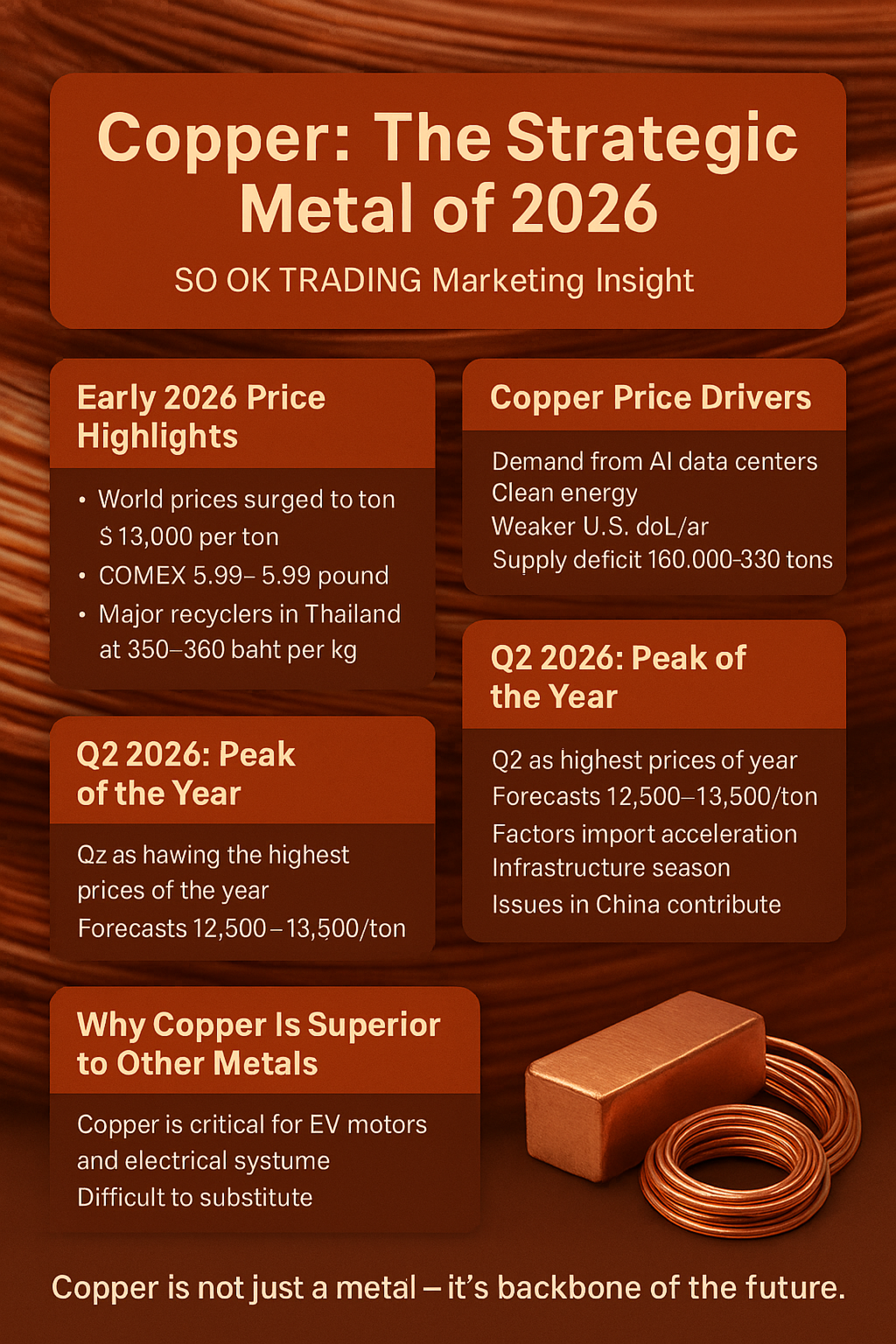
✨ Copper: 戦略的金属 2026 ✨
SO OK TRADING マーケティングインサイト
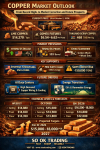
銅は2026年の金属市場における「主役」となりつつあります。これはSO OK TRADINGが皆様と共に掴むべき大きなチャンスです。
2026年初頭の銅価格ハイライト
世界市場では銅価格が13,000ドル/トンに達し、新記録を更新しました。COMEXでは5.98〜5.99ドル/ポンドで推移。タイ国内では大手リサイクル業者が美しく剥線された銅を1kgあたり350〜360バーツで買い取っています。短期的には利益確定売りも見られますが、全体的なトレンドは依然として強い上昇基調です。特に第2四半期は「ピーク期」と予測されています。
銅価格を押し上げる要因
AIとデータセンターの急成長、クリーンエネルギーインフラの拡大、ドル安、そして深刻な供給不足。世界は今年、160,000〜330,000トンの精錬銅不足に直面すると予測されています。
世界的金融機関の見解
主要金融機関は一致して「銅は2026年の戦略的資産」と評価しています。平均価格は11,000ドル/トンを上回ると予想。Citigroupは第2四半期に14,000〜15,000ドルに達すると見込み、Goldman Sachsは公正価格を13,000ドルと評価。Bank of AmericaはEVや再生可能エネルギー需要により2027年には15,000ドルに到達すると予測しています。
Q2/2026: 今年最大のピーク
第2四半期は年間で最も高い価格帯になると予測され、12,500〜13,500ドル/トンのレンジを想定。供給障害が発生すれば14,000〜15,000ドルに急騰する可能性も。要因は米国関税回避のための輸入加速、インフラ建設シーズン、中国の製錬所問題などです。
⚖️ なぜ銅は他の金属より優れているのか
銅は電気システムやEVモーターで代替不可能。クリーンエネルギーとの結びつきが最も強く、新鉱山開発には10〜15年を要します。ニッケルのように供給過剰に悩まされることもなく、AIデータセンター需要から直接的な恩恵を受けています。
SO OK TRADINGからのまとめ
2026年はまさに「銅の年」です。リサイクル、クリーンエネルギー、EV、データセンター関連事業に携わる方にとって、今から銅を戦略的に確保することは大きな優位性につながります。
SO OK TRADINGは、高品質なリサイクル銅から精錬銅まで、急増する需要に応える信頼できるパートナーです。
✨ Copper is not just a metal — it’s the backbone of the future.
SO OK TRADING マーケティングインサイト
銅は2026年の金属市場における「主役」となりつつあります。これはSO OK TRADINGが皆様と共に掴むべき大きなチャンスです。
2026年初頭の銅価格ハイライト
世界市場では銅価格が13,000ドル/トンに達し、新記録を更新しました。COMEXでは5.98〜5.99ドル/ポンドで推移。タイ国内では大手リサイクル業者が美しく剥線された銅を1kgあたり350〜360バーツで買い取っています。短期的には利益確定売りも見られますが、全体的なトレンドは依然として強い上昇基調です。特に第2四半期は「ピーク期」と予測されています。
銅価格を押し上げる要因
AIとデータセンターの急成長、クリーンエネルギーインフラの拡大、ドル安、そして深刻な供給不足。世界は今年、160,000〜330,000トンの精錬銅不足に直面すると予測されています。
世界的金融機関の見解
主要金融機関は一致して「銅は2026年の戦略的資産」と評価しています。平均価格は11,000ドル/トンを上回ると予想。Citigroupは第2四半期に14,000〜15,000ドルに達すると見込み、Goldman Sachsは公正価格を13,000ドルと評価。Bank of AmericaはEVや再生可能エネルギー需要により2027年には15,000ドルに到達すると予測しています。
Q2/2026: 今年最大のピーク
第2四半期は年間で最も高い価格帯になると予測され、12,500〜13,500ドル/トンのレンジを想定。供給障害が発生すれば14,000〜15,000ドルに急騰する可能性も。要因は米国関税回避のための輸入加速、インフラ建設シーズン、中国の製錬所問題などです。
⚖️ なぜ銅は他の金属より優れているのか
銅は電気システムやEVモーターで代替不可能。クリーンエネルギーとの結びつきが最も強く、新鉱山開発には10〜15年を要します。ニッケルのように供給過剰に悩まされることもなく、AIデータセンター需要から直接的な恩恵を受けています。
SO OK TRADINGからのまとめ
2026年はまさに「銅の年」です。リサイクル、クリーンエネルギー、EV、データセンター関連事業に携わる方にとって、今から銅を戦略的に確保することは大きな優位性につながります。
SO OK TRADINGは、高品質なリサイクル銅から精錬銅まで、急増する需要に応える信頼できるパートナーです。
✨ Copper is not just a metal — it’s the backbone of the future.


関連コンテンツ
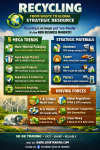
リサイクル – 「廃棄物」から「戦略資源」へ
世界が Net Zero と サーキュラーエコノミー(循環型経済) の目標に向かって加速する今、リサイクルはもはや「環境保護」のためだけではありません。
それは 新しいビジネスルール となり、すべての産業が適応を迫られています。
廃棄された素材は、クリーンエネルギー産業、電気自動車(EV)、そしてAIデータセンターを支える 戦略的資源 へと変貌しました。
今日、廃棄物は「処理すべきもの」ではなく、奪い合うべき資源 なのです。
リサイクルこそが、次の10年の世界経済を決定づける 未来の資本
16 5月 2026
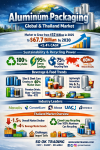
世界銅価格動向分析|2026年10月2日:SO OK TRADING
2026年は世界の非鉄金属市場にとって歴史的な転換点となりました。特に「銅」は新時代の経済の中心的存在となり、AIデータセンターの急拡大やクリーンエネルギー(エネルギー転換)の波に支えられ、史上最高値を更新しました。しかし10月初旬には、ドル高、原油価格の上昇、中国経済の減速といった要因により、一時的な調整局面に入りました。
短期的な圧力はあるものの、米国と中国による戦略的備蓄や、テクノロジー・再生可能エネルギー分野での需要増加が続いており、銅は依然として「戦略金属」として世界経済におけるリスクとチャンスを映し出しています。
SO OK TRADINGは、現状分析、市場見通し、テクニカル評価を網羅した深いインサイトを提供し、世界銅市場の全体像を明確に示します。史上最高値から調整局面、そして未来へと続く「熱い」展望をお届けします。
2 10月 2026
