镍:推动电动车产业的新力量 —— 从硬币到清洁能源,镍正在改变世界
最后更新: 7 2月 2026
2914 浏览量
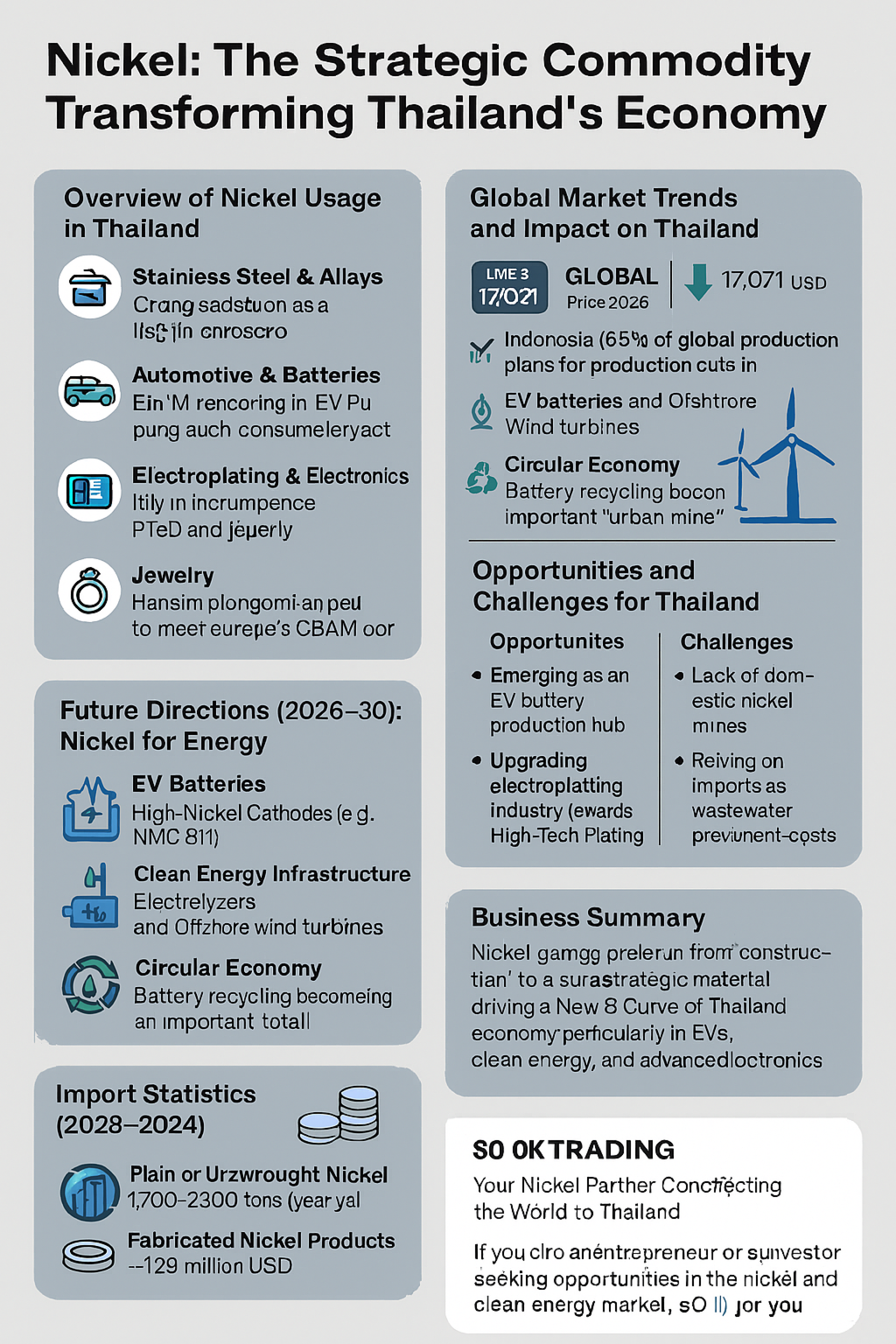
镍:正在重塑泰国经济的战略性原材料
镍(Nickel)不再只是用于厨具或硬币的普通金属。
如今,它已成为推动泰国经济迈向清洁能源和新兴产业的“核心动力”。
泰国镍的应用概览
不锈钢与合金:在厨具、建筑材料和建筑设计中占最大使用比例
汽车与电池:随着EV投资和电池工厂建设,硫酸镍需求激增
电镀与电子产业:用于PCB电路板和物联网传感器、智能汽车零部件的高精度电镀
珠宝首饰:用于白金和时尚饰品(需控制标准以避免皮肤过敏)
硬币:泰国财政部仍以镍为主要流通硬币材料
全球市场趋势及对泰国的影响
LME价格(2026年2月初):17,071美元/吨(较1月末的19,137美元/吨有所下降)
印尼(占全球产量65%)计划在2026年减产 → 长期可能推高价格
EV电池与不锈钢需求仍是主要驱动力
未来展望(2026–2030):Nickel for Energy
EV电池:高镍正极材料(NMC 811)逐步取代钴
清洁能源基础设施:用于绿色氢能电解槽和海上风电结构
循环经济:废旧电池回收成为重要的“城市矿山”
全球供应链:各国减少对印尼和俄罗斯的依赖,泰国有望成为前驱体生产中心
泰国的机遇与挑战
机遇
成为东盟EV电池生产基地
升级电镀产业至高科技电镀
利用再生镍以满足欧洲CBAM要求
挑战
泰国无镍矿,依赖进口
环境法规趋严,迫使工厂投资废水处理系统
全球镍价波动直接影响生产成本
进口统计(2023–2024)
未加工镍:每年1,700–2,200吨,约2,900万美元
加工镍制品:约1.29亿美元
主要进口来源:日本(36%)、加拿大、挪威、中国
商业总结
镍正在从“建筑材料”转变为“战略性原材料”,推动泰国经济新的增长曲线(New S-Curve),尤其在EV、清洁能源和先进电子产业中发挥关键作用。
SO OK TRADING:连接全球与泰国镍产业的合作伙伴
对于寻求镍与清洁能源市场机遇的企业与投资者而言,泰国正敞开大门。
SO OK TRADING 将成为您值得信赖的合作伙伴,共同迈向未来。
镍(Nickel)不再只是用于厨具或硬币的普通金属。
如今,它已成为推动泰国经济迈向清洁能源和新兴产业的“核心动力”。
泰国镍的应用概览
不锈钢与合金:在厨具、建筑材料和建筑设计中占最大使用比例
汽车与电池:随着EV投资和电池工厂建设,硫酸镍需求激增
电镀与电子产业:用于PCB电路板和物联网传感器、智能汽车零部件的高精度电镀
珠宝首饰:用于白金和时尚饰品(需控制标准以避免皮肤过敏)
硬币:泰国财政部仍以镍为主要流通硬币材料
全球市场趋势及对泰国的影响
LME价格(2026年2月初):17,071美元/吨(较1月末的19,137美元/吨有所下降)
印尼(占全球产量65%)计划在2026年减产 → 长期可能推高价格
EV电池与不锈钢需求仍是主要驱动力
未来展望(2026–2030):Nickel for Energy
EV电池:高镍正极材料(NMC 811)逐步取代钴
清洁能源基础设施:用于绿色氢能电解槽和海上风电结构
循环经济:废旧电池回收成为重要的“城市矿山”
全球供应链:各国减少对印尼和俄罗斯的依赖,泰国有望成为前驱体生产中心
泰国的机遇与挑战
机遇
成为东盟EV电池生产基地
升级电镀产业至高科技电镀
利用再生镍以满足欧洲CBAM要求
挑战
泰国无镍矿,依赖进口
环境法规趋严,迫使工厂投资废水处理系统
全球镍价波动直接影响生产成本
进口统计(2023–2024)
未加工镍:每年1,700–2,200吨,约2,900万美元
加工镍制品:约1.29亿美元
主要进口来源:日本(36%)、加拿大、挪威、中国
商业总结
镍正在从“建筑材料”转变为“战略性原材料”,推动泰国经济新的增长曲线(New S-Curve),尤其在EV、清洁能源和先进电子产业中发挥关键作用。
SO OK TRADING:连接全球与泰国镍产业的合作伙伴
对于寻求镍与清洁能源市场机遇的企业与投资者而言,泰国正敞开大门。
SO OK TRADING 将成为您值得信赖的合作伙伴,共同迈向未来。


相关文章
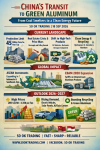
中国的绿色铝转型
从煤炭燃料走向清洁能源的未来
SO OK TRADING | 2026年9月18日
中国作为全球最大的铝生产和消费国,占全球产量的约60%。过去依赖煤炭能源和数量驱动的产业,如今正迈向 绿色铝(Green Aluminum) 的新时代。通过清洁能源与先进技术的推动,中国正在应对环境挑战以及欧盟 CBAM(碳边境调节机制) 等全球碳政策的压力。
这一转型不仅体现了中国在减少碳排放方面的坚定决心,也标志着全球金属市场战略性调整的开始。铝工业正逐步进入 循环经济(Circular Economy) 与 高质量生产 的新阶段。
在本文中,SO OK TRADING 将深入解析:
年产能上限 4,500 万吨的供应控制政策
工厂向高科技产品转型,如 EV 电池箔与航空材料
云南与四川清洁能源基地的扩张
CBAM 的影响与中国在东盟的投资布局
2026–2027 年全球铝市场的趋势展望
✨ 中国正在重新定义“绿色铝”的概念
这是全球金属产业必须密切关注的重要转折点。
18 9月 2026
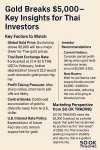
黄金突破5,000美元——投资者接下来该如何布局?
黄金首次突破每盎司5,000美元大关,泰国黄金价格也正快速逼近80,000泰铢。虽然市场波动剧烈,但长期趋势已十分明确:黄金重回2026年“明星资产”地位。
在 SO OK TRADING 看来,这不仅仅是一次市场行情——
这是一个信号,一道财富的防线。
是泰国投资者在全球不确定性中锁定稳定与增长的难得机会。
4 2月 2026
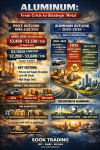
铝:从危机走向“战略金属”时代
2 4月 2026
