2026年美元走势:泰国出口商与国际商务的黄金机遇 BY SOOK TRADING
最后更新: 19 1月 2026
3352 浏览量
2026年美元(USD)走势与商业机遇
BY SO OK TRADING
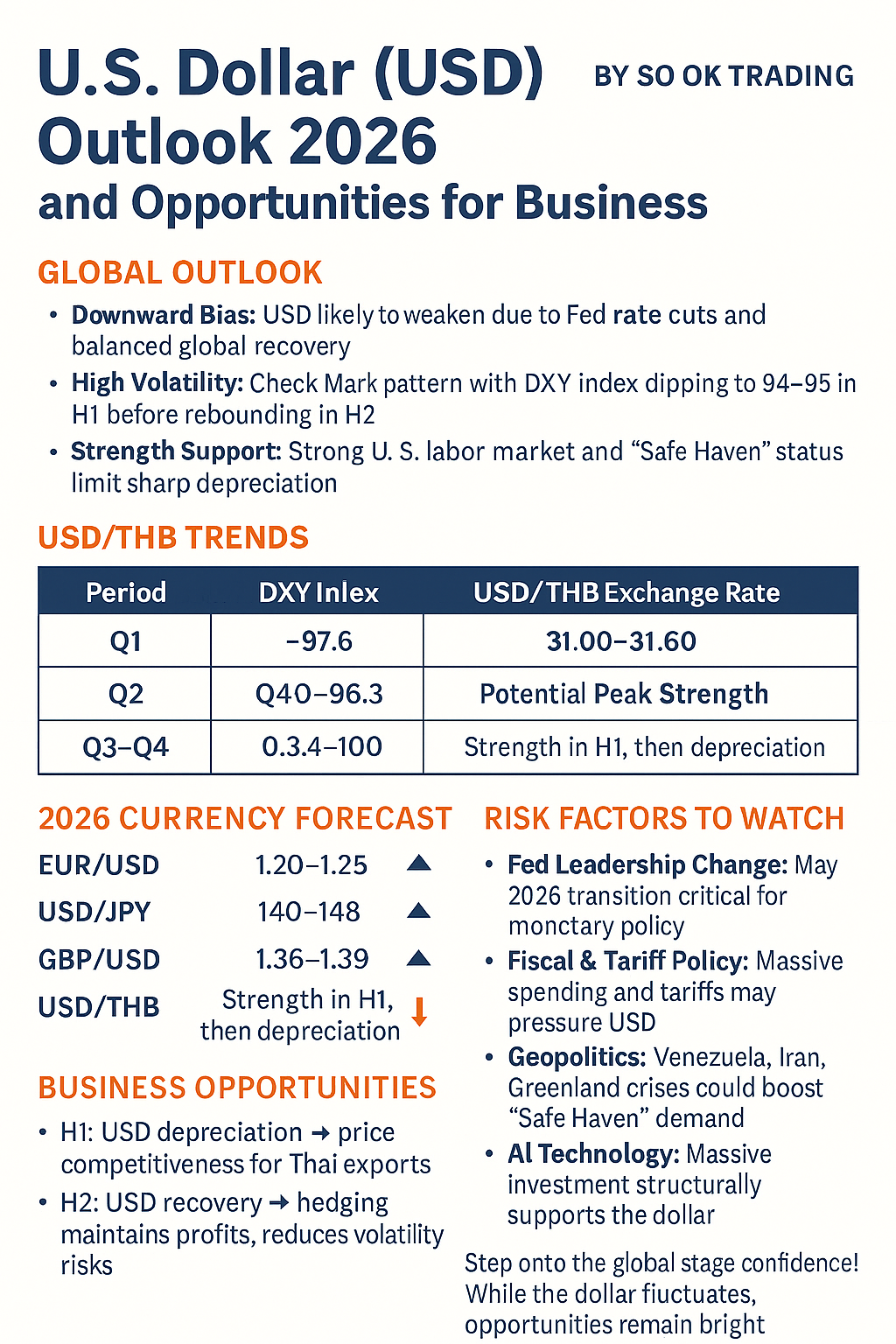
2026年,美元(USD)呈现出值得关注的走势。预计上半年将呈现贬值趋势,而下半年则可能在财政政策和人工智能(AI)投资的支持下逐步回升。这一变化不仅会影响全球经济,也为泰国企业,尤其是SO OK TRADING在工业品和农产品出口方面提供了战略性机遇。
全球展望(Global Outlook)
贬值倾向(Downward Bias): 美联储(FRB)持续降息以及全球经济的均衡复苏,使美元走弱。
高波动性: 呈现“√型”走势,即上半年下跌(美元指数DXY或至94–95),下半年回升。
支撑因素: 美国强劲的劳动力市场及美元作为“避险资产”的地位,限制了其急剧下跌。
泰铢走势(USD/THB)
2026年上半年: 泰铢兑美元走强,维持在31.10–31.60区间,甚至可能跌破31.00。
下半年: 由于国内政治不确定性及经济放缓,泰铢或再度走弱,美元回升。
2026年USD/THB预测表
主要货币对比(2026年预测)
EUR/USD: 欧元走强 → 1.20–1.25
USD/JPY: 日元走强 → 140–148(若美国经济强劲,可能反弹至164)
GBP/USD: 英镑走强 → 1.36–1.39
USD/THB: 上半年泰铢走强,下半年转弱
USD/CNY: 人民币稳定至略微走强 → 6.80–7.10
人民币(CNY)展望
上半年: 平均6.9855,最高6.9973,最低6.9732 → 略微走强。
下半年: 若全球经济放缓或地缘政治风险加剧,美元避险需求上升,人民币可能走弱。
支撑因素:
中国人民银行(PBoC)谨慎的宽松货币政策
出口与基础设施投资回升
BRICS国家及亚洲贸易伙伴减少对美元依赖
风险因素:
中美关系紧张 → 人民币急跌风险
资本外流管制加强 → 流动性担忧
国内消费疲软 → 信心下降
⚠️ 需关注的风险因素
美联储主席更替: 2026年5月,货币政策方向或发生重大变化。
财政政策与关税: 大规模支出与关税可能对美元形成压力。
地缘政治: 委内瑞拉、伊朗及格陵兰的紧张局势可能提升美元“避险资产”需求。
人工智能技术: 巨额投资为美元提供结构性支撑。
商业机遇分析
上半年: 美元走弱 → 泰国出口产品价格竞争力提升。
下半年: 美元回升 → 通过套期保值(Hedging)维持利润并降低波动风险。
结论
2026年美元预计将大幅波动,但这同时也是商业机遇的舞台。通过持续关注经济新闻、灵活运用风险对冲工具,以及提供高质量、符合国际标准的泰国产品,SO OK TRADING能够在全球市场中保持优势。
与SO OK TRADING一起,自信迈向世界舞台。即使美元波动,机遇依然闪耀。
BY SO OK TRADING
2026年,美元(USD)呈现出值得关注的走势。预计上半年将呈现贬值趋势,而下半年则可能在财政政策和人工智能(AI)投资的支持下逐步回升。这一变化不仅会影响全球经济,也为泰国企业,尤其是SO OK TRADING在工业品和农产品出口方面提供了战略性机遇。
全球展望(Global Outlook)
贬值倾向(Downward Bias): 美联储(FRB)持续降息以及全球经济的均衡复苏,使美元走弱。
高波动性: 呈现“√型”走势,即上半年下跌(美元指数DXY或至94–95),下半年回升。
支撑因素: 美国强劲的劳动力市场及美元作为“避险资产”的地位,限制了其急剧下跌。
泰铢走势(USD/THB)
2026年上半年: 泰铢兑美元走强,维持在31.10–31.60区间,甚至可能跌破31.00。
下半年: 由于国内政治不确定性及经济放缓,泰铢或再度走弱,美元回升。
2026年USD/THB预测表
主要货币对比(2026年预测)
EUR/USD: 欧元走强 → 1.20–1.25
USD/JPY: 日元走强 → 140–148(若美国经济强劲,可能反弹至164)
GBP/USD: 英镑走强 → 1.36–1.39
USD/THB: 上半年泰铢走强,下半年转弱
USD/CNY: 人民币稳定至略微走强 → 6.80–7.10
人民币(CNY)展望
上半年: 平均6.9855,最高6.9973,最低6.9732 → 略微走强。
下半年: 若全球经济放缓或地缘政治风险加剧,美元避险需求上升,人民币可能走弱。
支撑因素:
中国人民银行(PBoC)谨慎的宽松货币政策
出口与基础设施投资回升
BRICS国家及亚洲贸易伙伴减少对美元依赖
风险因素:
中美关系紧张 → 人民币急跌风险
资本外流管制加强 → 流动性担忧
国内消费疲软 → 信心下降
⚠️ 需关注的风险因素
美联储主席更替: 2026年5月,货币政策方向或发生重大变化。
财政政策与关税: 大规模支出与关税可能对美元形成压力。
地缘政治: 委内瑞拉、伊朗及格陵兰的紧张局势可能提升美元“避险资产”需求。
人工智能技术: 巨额投资为美元提供结构性支撑。
商业机遇分析
上半年: 美元走弱 → 泰国出口产品价格竞争力提升。
下半年: 美元回升 → 通过套期保值(Hedging)维持利润并降低波动风险。
结论
2026年美元预计将大幅波动,但这同时也是商业机遇的舞台。通过持续关注经济新闻、灵活运用风险对冲工具,以及提供高质量、符合国际标准的泰国产品,SO OK TRADING能够在全球市场中保持优势。
与SO OK TRADING一起,自信迈向世界舞台。即使美元波动,机遇依然闪耀。


相关文章
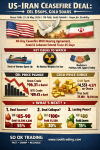
**《美伊停火协议:原油下跌、黄金波动 全球聚焦重大外交博弈
和平谈判 2026年5月25–26日|原油下跌、黄金震荡|世界开始看到和平的曙光
中东正从“战争”走向“谈判”——美国与伊朗接近达成为期60天的停火谅解备忘录(MOU),导致原油价格大幅下跌;与此同时,黄金因不确定性而上涨,全球市场开始看见和平的曙光。
SO OK TRADING
FAST • SHARP • RELIABLE
26 五月 2026
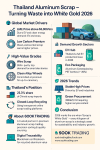
铝废料与 UBC 废罐:循环经济中的“白金”商机
泰国的铝废料市场正迈入一个令人振奋的新阶段。曾被视为“旧货”的废铝,如今已转变为支撑全球科技与可持续发展的战略性资源。尤其是 UBC(使用过的饮料罐)废料,正成为循环经济体系中的核心材料。2026 年,泰国将进一步巩固其作为亚洲再生资源枢纽的地位,推动废料从“边角料”跃升为“白金资产”。
15 2月 2026
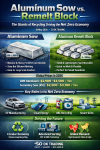
铝锭 Sow vs. 重熔块:再生金属巨擘,推动全球经济迈向 Net Zero 时代
SO OK TRADING – 2026年5月18日
在全球产业加速迈入 Net Zero 时代的今天,铝不再只是普通的原材料,而是推动循环经济(Circular Economy)的“可见能源”。
今天,我们将带您认识再生行业的两位主角 —— 铝锭 Sow(Sow Ingot) 与 重熔块(Remelt Block)。它们正改变着世界工业的格局,从大型熔炉到一般铸造厂都不可或缺。
铝锭 Sow:巨型铝块,重量可达数百至数千公斤,需叉车或起重机搬运,适合大型熔炉(Reverb Furnaces),优势在于单位成本低,适合大规模运输与生产。
重熔块/锭:体积较小,重量在 5–100 公斤之间,可人工或传送带搬运,熔化速度快,灵活性高,适合中小型铸造厂,可分批加入炉中以控制温度与合金成分。
两者都是关键齿轮,与从铝土矿生产相比,可节省 95% 的能源,并帮助企业规避欧洲的碳关税(CBAM)。
泰国同样表现突出 —— 我们是东盟再生铝与中下游加工的中心,尤其在 EEC(春武里–罗勇) 区域,随着电动车与清洁能源产业的崛起,对铝锭 Sow 的需求正在快速增长。
✨ 铝锭 Sow 不只是巨型金属块,而是通往绿色未来循环经济的桥梁。
SO OK TRADING 将始终是您值得信赖的商业伙伴 —— 从高品质金属供应到迈向零碳世界,我们与您并肩前行。
18 五月 2026
