「四月炽热:和平交易还是全球经济风暴 —— 中东战争、特朗普 vs 伊朗、原油·黄金·塑料·股市剧烈波动」
最后更新: 2 4月 2026
4246 浏览量
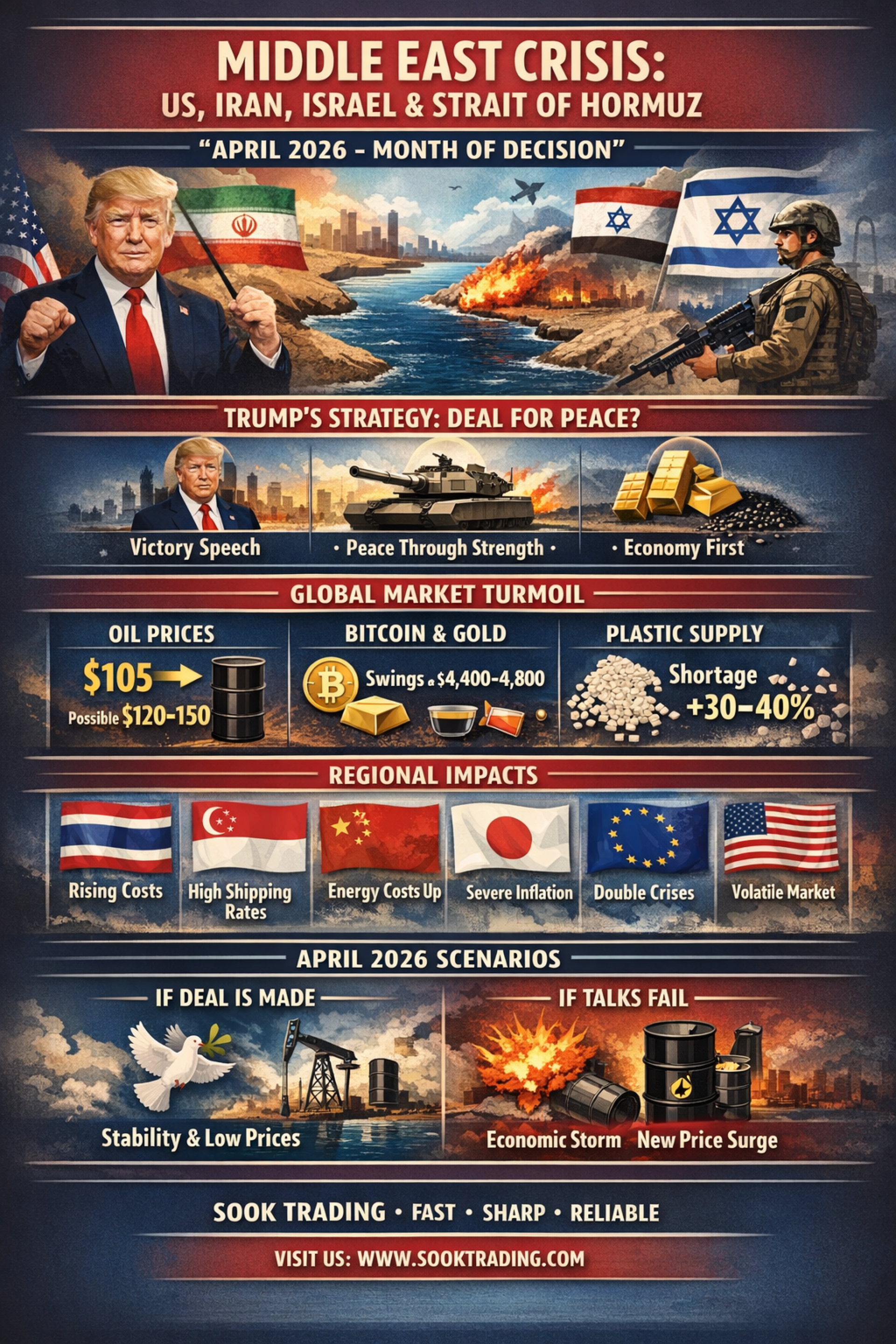
中东战争:美国、伊朗、以色列与霍尔木兹海峡
2026年4月 —— 世界经济的关键考验之月
⛽ 原油飙升 ・ 塑料短缺 ・ 化肥与尿素供应危机 ・ 通胀攀升 ・ 股市下跌 ・ 黄金剧烈波动 分析撰写:SOOK TRADING | 2026年4月2日
世界正处于“暴风雨前的宁静”
尽管特朗普总统释放了谈判信号,但背后依然充满经济压力与地缘政治风险。
特朗普的战略:“和平交易”
象征性胜利宣言:用简短而强烈的信息告诉世界“我掌控了局势”。
以实力求和平 (Peace through Strength):谈及和平,但美国仍保持高度军事戒备。
经济优先 (Economy First):通过缓解紧张局势压低油价和金价,以稳定全球市场。
全球市场:持续动荡
原油:当前价格 $105.5/桶。若谈判失败,可能飙升至 $120–150,运输成本和通胀随之上升。
黄金与比特币:黄金在 $4,400–4,800 区间剧烈波动;比特币亦受特朗普言论影响而大幅震荡。
塑料与包装:泰国烯烃工厂因“石脑油”短缺而停产,塑料原料价格上涨30–40%,包装材料短缺导致消费品价格上升。
区域影响
泰国:原油与塑料短缺推高生活成本,政府需寻找替代能源。
新加坡:运输成本飙升,冲击食品供应链。
中国:能源成本上升,制造业与出口受压。
日本:严重通胀,政府宣布全国节能措施。
欧盟:在俄乌冲突之外再遭中东危机双重打击。
美国:虽能自产原油,但市场仍因特朗普言论而剧烈波动。
四月局势评估
关键的2–3周:特朗普称“任务接近完成”,但若伊朗拒绝条件,冲突可能升级。
基础设施风险:美国威胁攻击伊朗电厂,或引发强烈报复。
霍尔木兹海峡:若继续封锁或受扰,能源与运输成本将立即飙升。
原油价格:若谈判成功,稳定在 $95–105;若失败,可能突破 $150。
塑料与包装:持续短缺,影响冷冻食品与饮料等消费品。
全球通胀:能源不稳或再推高0.8%,拖累全球经济增长。
⚖️ 总结
2026年4月是决定“和平协议”还是“经济风暴”的关键月份。
若谈判成功 → 全球趋于稳定,能源价格回落。
若谈判失败 → 全球陷入新一轮经济风暴,原油与塑料价格急剧飙升。
SOOK TRADING 建议
✅ 分散原材料供应风险 ✅ 提前制定成本规划 ✅ 密切关注政治信号
SOOK TRADING – FAST • SHARP • RELIABLE www.sooktrading.com
2026年4月 —— 世界经济的关键考验之月
⛽ 原油飙升 ・ 塑料短缺 ・ 化肥与尿素供应危机 ・ 通胀攀升 ・ 股市下跌 ・ 黄金剧烈波动 分析撰写:SOOK TRADING | 2026年4月2日
世界正处于“暴风雨前的宁静”
尽管特朗普总统释放了谈判信号,但背后依然充满经济压力与地缘政治风险。
特朗普的战略:“和平交易”
象征性胜利宣言:用简短而强烈的信息告诉世界“我掌控了局势”。
以实力求和平 (Peace through Strength):谈及和平,但美国仍保持高度军事戒备。
经济优先 (Economy First):通过缓解紧张局势压低油价和金价,以稳定全球市场。
全球市场:持续动荡
原油:当前价格 $105.5/桶。若谈判失败,可能飙升至 $120–150,运输成本和通胀随之上升。
黄金与比特币:黄金在 $4,400–4,800 区间剧烈波动;比特币亦受特朗普言论影响而大幅震荡。
塑料与包装:泰国烯烃工厂因“石脑油”短缺而停产,塑料原料价格上涨30–40%,包装材料短缺导致消费品价格上升。
区域影响
泰国:原油与塑料短缺推高生活成本,政府需寻找替代能源。
新加坡:运输成本飙升,冲击食品供应链。
中国:能源成本上升,制造业与出口受压。
日本:严重通胀,政府宣布全国节能措施。
欧盟:在俄乌冲突之外再遭中东危机双重打击。
美国:虽能自产原油,但市场仍因特朗普言论而剧烈波动。
四月局势评估
关键的2–3周:特朗普称“任务接近完成”,但若伊朗拒绝条件,冲突可能升级。
基础设施风险:美国威胁攻击伊朗电厂,或引发强烈报复。
霍尔木兹海峡:若继续封锁或受扰,能源与运输成本将立即飙升。
原油价格:若谈判成功,稳定在 $95–105;若失败,可能突破 $150。
塑料与包装:持续短缺,影响冷冻食品与饮料等消费品。
全球通胀:能源不稳或再推高0.8%,拖累全球经济增长。
⚖️ 总结
2026年4月是决定“和平协议”还是“经济风暴”的关键月份。
若谈判成功 → 全球趋于稳定,能源价格回落。
若谈判失败 → 全球陷入新一轮经济风暴,原油与塑料价格急剧飙升。
SOOK TRADING 建议
✅ 分散原材料供应风险 ✅ 提前制定成本规划 ✅ 密切关注政治信号
SOOK TRADING – FAST • SHARP • RELIABLE www.sooktrading.com


相关文章
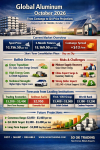
全球铝市场展望 2026年10月 — SO OK TRADING 分析
全球铝市场(LME)在经历了上季度的强劲上涨后,正进入“短期调整阶段”。最新现货价格为 3,156.50 美元/吨,三个月期货价格为 3,169.50 美元/吨,价差 +13 美元,清晰地反映出 Contango(期货升水) —— 表明市场供应充足,暂时没有出现抢购现象。
尽管价格已回落至 3,170 美元/吨,整体仍被视为“为上升趋势积蓄力量的调整(Buy on Dip)”。其背后原因是结构性供应不足(Structural Deficit),以及 绿色转型(Green Transition) 带来的需求增长,例如电动车(EV)、太阳能和可再生能源基础设施。
本次分析将深入探讨 利好因素与风险因素、全球主要金融机构的观点,以及 2026年第四季度的价格前景,帮助企业和投资者在“强劲但波动”的市场中制定更有信心的采购策略。
1 10月 2026
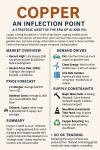
2026年2月铜价走势
全球正进入一个“关键转折点”——来自电动车(EV)、人工智能(AI)以及清洁能源的需求急剧上升,而供应仍然紧张。
SO OK TRADING 总结了市场全貌以及在价格回调阶段的原材料采购策略,帮助泰国企业清晰把握这一战略性资产的机遇。
1 2月 2026

铜市场分析 LME:“在高峰休整,蓄势迎接超级周期”
SO OK TRADING|2026年6月23日
铜目前正处于“在高峰喘息”的阶段。今年年初创下历史最高价后,全球市场进入短期调整。但整体趋势依然强劲,长期上涨的动能仍在延续,背后动力来自先进技术产业、电动汽车(EV)以及全球清洁能源基础设施的需求。
6月的价格小幅回落,主要受一些短期因素影响,例如大型矿山恢复出口、美元走强,以及美伊地缘政治紧张局势的缓解。然而,铜市场依然由新兴产业的真实需求推动。全球分析师认为,价格有望在2026年内冲击 15,000美元/吨。
对于企业和投资者而言,现在正是制定战略的黄金时机:
23 6月 2026
