**“金属力量改变世界:铝、铜、镍与稀土点燃创新,引领电动车革命” SO OK TRADING 撰文|2026年3月19日**
Last updated: 19 Mar 2026
1875 Views

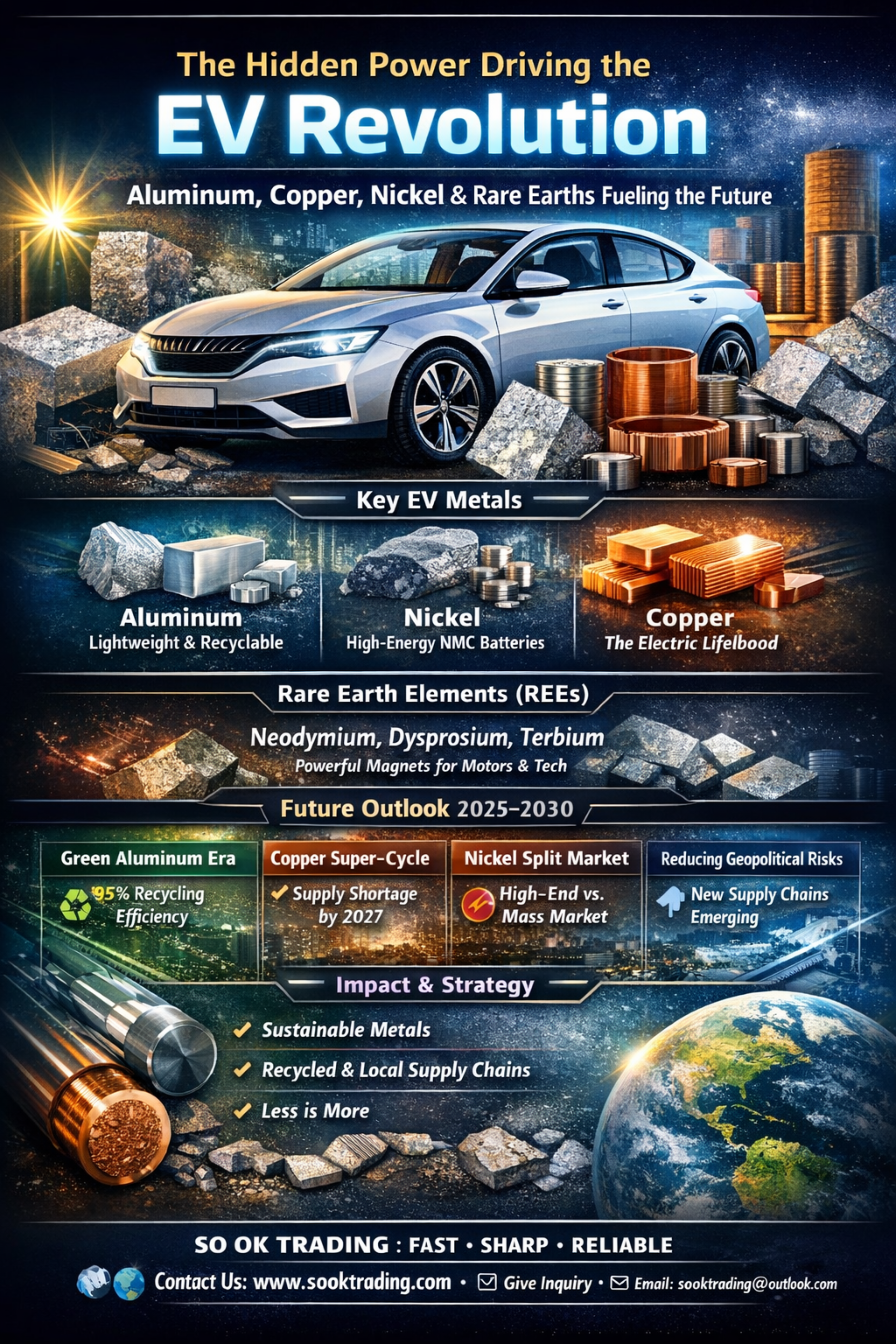
“金属与稀土之战:电动车革命背后隐藏的力量”
铝、铜、镍与稀土 —— 推动全球EV创新的力量
SO OK TRADING 撰文|2026年3月19日
电动车(EV)不仅仅依靠电力驱动,
而是由“经济金属”和“稀土”推动,
它们正在成为决定汽车产业与全球经济未来的核心。
铝、铜、镍与稀土 —— 推动全球EV创新的力量
SO OK TRADING 撰文|2026年3月19日
电动车(EV)不仅仅依靠电力驱动,
而是由“经济金属”和“稀土”推动,
它们正在成为决定汽车产业与全球经济未来的核心。
Related Content
铜——清洁能源时代的金属,正在成为全球经济的核心
2026年4月,全球铜市场比以往任何时候都更加炙热。价格攀升至多年高点,在中东战争、能源危机以及 AI、电动车(EV)、太阳能电池 等新技术的巨大需求推动下不断波动。
铜不再只是普通的工业金属,而逐渐成为“清洁能源转型”的关键指标。
在本文中,SO OK TRADING 将带您深入解析最新的铜价趋势,剖析战争与能源的影响,并呈现全球顶级金融机构的观点,揭示铜在2026年如何继续被视为“未来之金属”。
28 Apr 2026
he Thai baht in Q1 2026 is expected to strengthen against the US dollar, driven primarily by a weaker dollar globally, a seasonal tourism boost, and expectations of US Federal Reserve rate cuts. This strength is occurring despite a weak domestic economic outlook and the Bank of Thailand's (BoT) likely continued easing of its policy rate.
Exchange Rate Drivers and Forecast
External Factors: The primary driver for the strengthening baht is external, mainly the broad weakness of the US dollar as global markets price in expected Fed rate cuts. The baht is also correlated with global gold prices, which have been climbing.
Tourism High Season: The period extending into Q1 2026 is the high season for tourism, which typically brings in foreign currency and supports the baht's value.
Policy Divergence: The BoT is expected to continue its easing cycle, potentially cutting the policy rate further to 1.00% by Q1 2026 to stimulate the sluggish domestic economy. This divergence from a potentially less aggressive US Fed in Q1 could support the baht in the short term, though some analysts warn the currency could weaken later in 2026.
Forecasts: Projections for 2026 generally place the baht in a range of 30.80–33.00 per US dollar. Some models estimate it could trade around 31.06 by the end of Q1. A persistently strong baht below 31 per US$ is seen as a significant risk to the Thai export and tourism sectors.
Key Economic Context
Weak Growth: Thailand's economy is expected to slow down to a 5-year low growth rate of around 1.6-1.8% in 2026, pressured by US tariffs, global trade tensions, and high household debt. The central bank chief expects an improvement in Q1 2026 after a weak second half of 2025.
Political Uncertainty: A general election expected in February 2026 could also introduce volatility, though some historical trends suggest the baht may strengthen following the formation of a new government.
Low Inflation: Headline inflation is projected to remain subdued or even negative, providing the central bank with justification for further rate cuts to stimulate demand.
In summary, Q1 2026 is characterized by a strong and volatile baht driven by external factors, contrasting sharply with a weak domestic economy and accommodative monetary policy.
1 Jan 2026