「硅:驱动未来的力量 —— 数字与清洁经济的大动脉,从AI芯片到电动车电池」
最后更新: 6 3月 2026
2804 浏览量

「硅:数字世界与清洁能源的心脏 —— 从计算机芯片到电动车电池」
硅(Silicon)不仅仅是元素周期表中的一种元素,它是支撑现代全球经济的“大动脉”。从我们手中的智能手机,到生产清洁能源的太阳能电池板,再到正在改变出行方式的电动车电池,硅紧密连接着 科技 – 能源 – 工业。
硅的主要应用
电子与人工智能:高纯度硅是晶体管、微芯片、集成电路(IC)和AI加速器的核心
可再生能源:多晶硅是太阳能电池的关键材料
电动车 (EV):每辆电动车使用1,000–3,500个半导体,硅负极电池正在提升储能效率
合金与制造业:硅金属与铝结合,制造轻量且坚固的汽车零部件
建筑与重工业:二氧化硅和碳化硅用于玻璃、混凝土、陶瓷和耐磨材料
硅胶 (Silicone) – 来源于硅的聚合物
医疗:植入设备、呼吸辅助器材
家庭:烘焙模具、耐热厨具
工业:防水密封剂、粘合剂、润滑脂
2026年价格趋势
硅金属:因供应过剩下跌约3.5%,553等级约1,176–1,460美元/吨,3303等级高出100–300美元
多晶硅:小幅上涨约0.3%,但仍受过度生产压力
硅胶:随着全球经济复苏,预计稳定或小幅上涨
价格压力因素:中国和巴西的供应过剩、能源成本下降、建筑需求放缓、激烈的价格竞争
未来展望 (2026–2031)
硅金属市场预计年均增长率 5.3–5.5%
AI与半导体:全球销售额预计2030年突破1万亿美元
电动车与清洁能源:电池与太阳能电池需求成为主要驱动力
可持续生产:低碳硅虽增加成本,但提升ESG与可持续价值
市场规模预测
硅金属:预计2034年达到135.5亿美元
硅胶:预计2034年达到355.8亿美元
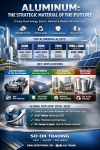
如果您需要采购硅金属、多晶硅,或其他有色金属产品(如铝锭、ADC12、铜阴极),
请访问 www.sooktrading.com
或直接发送邮件至 sooktrading@outlook.com
SO OK TRADING – FAST. SHARP. RELIABLE.
您在全球市场值得信赖的商业伙伴
硅(Silicon)不仅仅是元素周期表中的一种元素,它是支撑现代全球经济的“大动脉”。从我们手中的智能手机,到生产清洁能源的太阳能电池板,再到正在改变出行方式的电动车电池,硅紧密连接着 科技 – 能源 – 工业。
硅的主要应用
电子与人工智能:高纯度硅是晶体管、微芯片、集成电路(IC)和AI加速器的核心
可再生能源:多晶硅是太阳能电池的关键材料
电动车 (EV):每辆电动车使用1,000–3,500个半导体,硅负极电池正在提升储能效率
合金与制造业:硅金属与铝结合,制造轻量且坚固的汽车零部件
建筑与重工业:二氧化硅和碳化硅用于玻璃、混凝土、陶瓷和耐磨材料
硅胶 (Silicone) – 来源于硅的聚合物
医疗:植入设备、呼吸辅助器材
家庭:烘焙模具、耐热厨具
工业:防水密封剂、粘合剂、润滑脂
2026年价格趋势
硅金属:因供应过剩下跌约3.5%,553等级约1,176–1,460美元/吨,3303等级高出100–300美元
多晶硅:小幅上涨约0.3%,但仍受过度生产压力
硅胶:随着全球经济复苏,预计稳定或小幅上涨
价格压力因素:中国和巴西的供应过剩、能源成本下降、建筑需求放缓、激烈的价格竞争
未来展望 (2026–2031)
硅金属市场预计年均增长率 5.3–5.5%
AI与半导体:全球销售额预计2030年突破1万亿美元
电动车与清洁能源:电池与太阳能电池需求成为主要驱动力
可持续生产:低碳硅虽增加成本,但提升ESG与可持续价值
市场规模预测
硅金属:预计2034年达到135.5亿美元
硅胶:预计2034年达到355.8亿美元
如果您需要采购硅金属、多晶硅,或其他有色金属产品(如铝锭、ADC12、铜阴极),
请访问 www.sooktrading.com
或直接发送邮件至 sooktrading@outlook.com
SO OK TRADING – FAST. SHARP. RELIABLE.
您在全球市场值得信赖的商业伙伴


相关文章
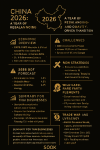
中国2026:新平衡与质的转型之年
中国经济正迈入一个“重质不重量”的新时代。尽管面临国内需求低迷、不动产危机、EV价格战以及来自美国的关税压力,中国依然稳步前行,积极投资于半导体、清洁能源和人工智能等新经济领域,并通过刺激消费和推动高附加值产品出口来保持增长动力。
14 2月 2026
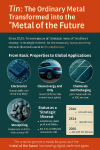
✨ 锡:从普通金属到“未来之金属” ✨
曾经,锡只是用于涂覆罐头的材料。
但如今,它已成为推动数字经济与清洁能源的 战略资源 —— 从人工智能、半导体、电动车到新型电池。
价格飙升,需求突破天花板
锡是连接 AI 与数据中心的“胶水”
锡是未来电池创新的核心
锡不再只是基础金属,而是全球争夺的 关键资源,将在未来二十年决定世界经济的走向。
27 2月 2026
