铝罐2026:绿色商业的新象征 —— 可持续性引领增
最后更新: 20 2月 2026
3401 浏览量
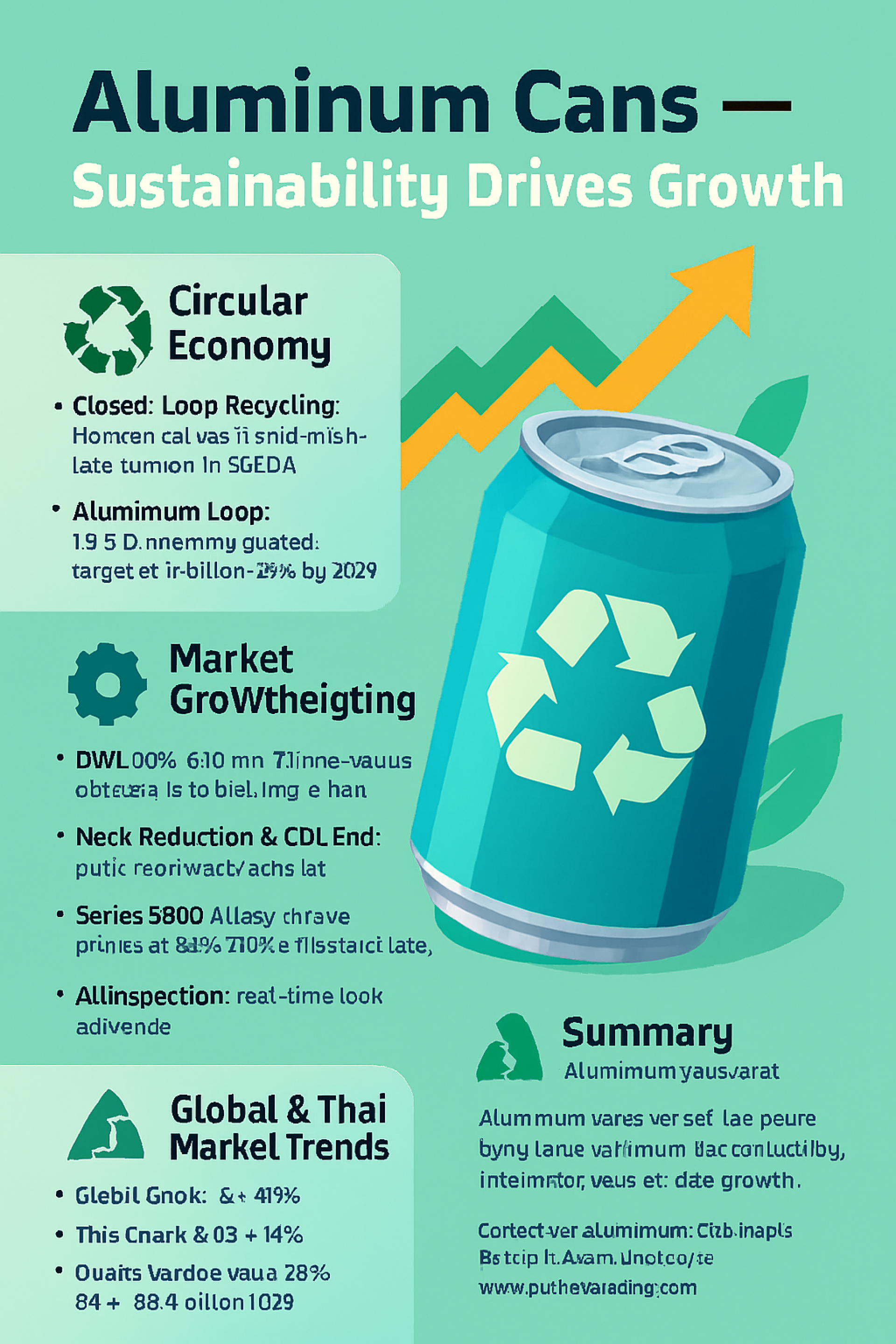
泰国铝罐使用趋势(2025–2026年)
进入“以可持续性引领增长”的新时代
向循环经济的转型
泰国是东盟地区率先建立完整闭环回收系统的国家。制罐厂与回收厂集中在半径200公里范围内,使得废弃铝罐仅需60天即可再生为新罐。
“Aluminium Loop”项目已将超过13亿只铝罐纳入回收体系,并计划在未来十年扩大至50亿只。预计到2032年,泰国将成长为区域性的回收枢纽。
市场增长与塑料替代
铝罐需求持续上升,尤其在即饮饮料、精酿啤酒和即食食品领域表现突出。许多企业为符合 ESG 方针和现代品牌形象,纷纷从塑料转向铝材。
预计2025年金属包装产业收入约为180亿泰铢,同比增长7.5%。其中铝材占比74.22%(约145亿泰铢),而铝罐则以58.48%(约80亿泰铢)居首。
轻量化技术(Lightweighting)
制罐技术不断进步,以实现成本削减与环保并行:
DWI(拉伸与壁铁工艺):壁厚降至0.07–0.10毫米,铝材用量减少30–40%
Neck Reduction & CDL End:缩小罐口与盖子以节省材料
5000系铝材:用于罐盖与拉环,确保强度与耐压性
AI检测:实时发现微小泄漏,最大化安全性
全球与泰国市场展望(2025–2035年)
全球市场预计年均增长率(CAGR)为3.2–6.4%,到2035年规模将达8,450–9,920亿美元。泰国市场也预计年均增长率为4.12–4.18%,并以成为东盟唯一的闭环回收中心为目标。
来自中国进口的挑战
尽管泰国潜力巨大,但仍面临中国成品涌入的竞争。2025年泰国自中国进口铝材约19亿美元,主要为铝板、铝箔和结构件。关税政策与 TH-CBAM 将成为保护国内产业的重要因素。
总结
在泰国,铝罐不仅是包装材料,更是可持续性、创新与循环增长的象征。它连接着生产者与消费者,成为新时代的核心。
如需 ALUMINUM COIL(包装用铝材)、ALUMINUM INGOT、ALUMINUM REMELT 等产品,欢迎联系 SO OK TRADING:
网站:www.sooktrading.com → 点击 “Give INQUIRY”
邮箱:sooktrading@outlook.com
进入“以可持续性引领增长”的新时代
向循环经济的转型
泰国是东盟地区率先建立完整闭环回收系统的国家。制罐厂与回收厂集中在半径200公里范围内,使得废弃铝罐仅需60天即可再生为新罐。
“Aluminium Loop”项目已将超过13亿只铝罐纳入回收体系,并计划在未来十年扩大至50亿只。预计到2032年,泰国将成长为区域性的回收枢纽。
市场增长与塑料替代
铝罐需求持续上升,尤其在即饮饮料、精酿啤酒和即食食品领域表现突出。许多企业为符合 ESG 方针和现代品牌形象,纷纷从塑料转向铝材。
预计2025年金属包装产业收入约为180亿泰铢,同比增长7.5%。其中铝材占比74.22%(约145亿泰铢),而铝罐则以58.48%(约80亿泰铢)居首。
轻量化技术(Lightweighting)
制罐技术不断进步,以实现成本削减与环保并行:
DWI(拉伸与壁铁工艺):壁厚降至0.07–0.10毫米,铝材用量减少30–40%
Neck Reduction & CDL End:缩小罐口与盖子以节省材料
5000系铝材:用于罐盖与拉环,确保强度与耐压性
AI检测:实时发现微小泄漏,最大化安全性
全球与泰国市场展望(2025–2035年)
全球市场预计年均增长率(CAGR)为3.2–6.4%,到2035年规模将达8,450–9,920亿美元。泰国市场也预计年均增长率为4.12–4.18%,并以成为东盟唯一的闭环回收中心为目标。
来自中国进口的挑战
尽管泰国潜力巨大,但仍面临中国成品涌入的竞争。2025年泰国自中国进口铝材约19亿美元,主要为铝板、铝箔和结构件。关税政策与 TH-CBAM 将成为保护国内产业的重要因素。
总结
在泰国,铝罐不仅是包装材料,更是可持续性、创新与循环增长的象征。它连接着生产者与消费者,成为新时代的核心。
如需 ALUMINUM COIL(包装用铝材)、ALUMINUM INGOT、ALUMINUM REMELT 等产品,欢迎联系 SO OK TRADING:
网站:www.sooktrading.com → 点击 “Give INQUIRY”
邮箱:sooktrading@outlook.com


相关文章
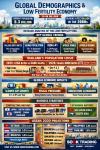
世界正经历人口史上最大的转折。
从“出生多于死亡”的时代,走向“人口系统性缩减”的时代——
这正是 低出生率时代(Low Fertility Era) 的信号,它将全面重塑全球经济结构。
21 7月 2026
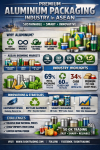
「铝包装:迈向泰国与东盟的绿色包装与智能创新时代」
SO OK TRADING|2026年8月30日
包装产业正迎来重大转型。在环境(ESG)理念的推动下,以及新一代消费者更加重视“可持续性”的趋势中,铝包装脱颖而出。它具有 100% 可回收 的特性,并且可以无限次重复使用而不损失品质,因此被视为未来的材料,既符合环保要求,也契合循环经济(Circular Economy)的发展方向。
在泰国与东盟地区,这一产业正在快速增长,原因包括中产阶级的扩大、功能性饮料与即饮咖啡的消费增加,以及大型制造商投资清洁能源与 闭环回收系统(Closed-Loop Recycling),以实现长期的可持续发展。
SO OK TRADING 作为泰国铝包装的商业合作伙伴,致力于推动产业进入 绿色包装与智能创新 的新时代。我们秉持 “FAST • SHARP • RELIABLE” —— 快速、精准、可靠 —— 的理念,助力泰国包装产业迈向世界级标准。
30 8月 2026
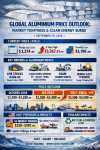
全球铝市场概况与趋势(2026年9月末)
SO OK TRADING : 2026年9月29日
从结构性紧张走向清洁能源时代的新价格基准
✍️ 引言
截至2026年9月末,全球铝市场依然维持在高位,价格在 3,240–3,260美元/吨 区间波动。这反映了全球供应的结构性紧张以及清洁能源需求的快速增长。铝工业正处于关键转折点——从传统工业金属转型为支撑未来的“战略性金属”,推动电动车、太阳能、风能以及AI数据中心的发展。
尽管受到中国经济放缓和美联储加息预期的短期压力,但中长期趋势依然保持稳健上行。预计在2027–2033年间,受清洁能源需求和碳成本上升的推动,铝价将形成新的高位价格基准。
29 9月 2026
