春节后的世界:美元走强、稀土短缺、人工智能崛起 从关税战到资源战——2026年的世界已不再相同 特朗普2.0震撼全球:经济正在变成战场
最后更新: 19 2月 2026
2988 浏览量
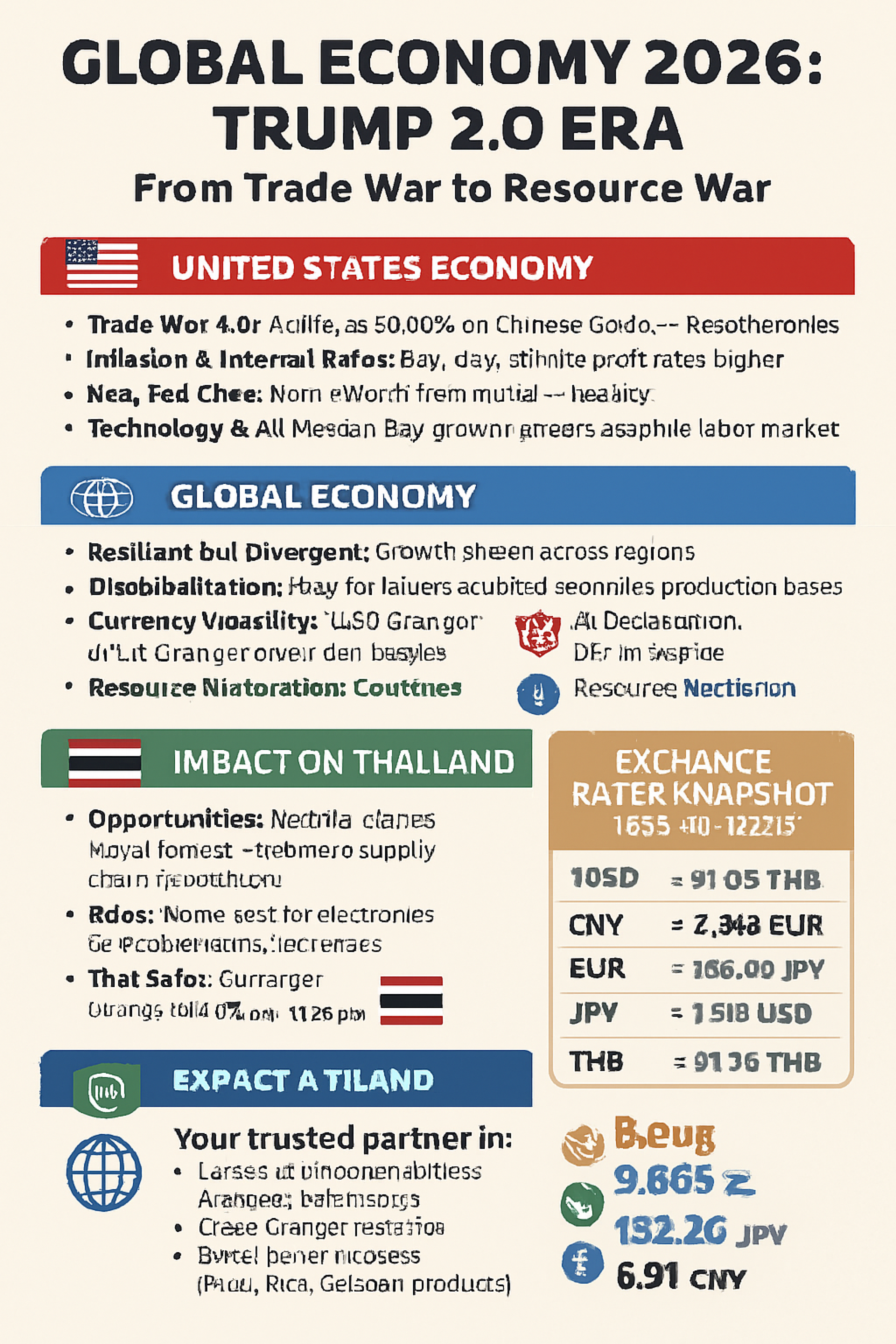
全球经济进入特朗普2.0时代:从贸易战到资源战
2026年不仅仅是一个过渡之年,而是全球在“美国优先”政策下进入经济与资源战争时代的一年。唐纳德·特朗普总统的政策正在重塑贸易、金融和地缘政治格局。
美国经济:高关税 + 新任美联储主席
贸易战2.0: 对中国商品征收高达60%的关税 → 工厂回流美国,全球进口成本上升
通胀与利率: 国内减税 + 进口关税推高通胀 → 美联储维持高利率更久
美联储主席更替: 凯文·沃什(Kevin Warsh)被提名,市场关注其是继续“鹰派”还是转向宽松
劳动力与科技: 就业增长放缓,但AI与高科技仍是股市的主要驱动力
全球经济:韧性但分化
全球贸易放缓: 供应链分裂 → 各国加速转移生产基地
汇率波动: 美元短期走强,中期走弱 → 欧元有望回升,日元承压,泰铢走强
地缘政治紧张: 与中国及产油国的冲突推高能源价格
AI投资热潮: 美国与欧洲的巨额投资支撑全球经济避免衰退
⚔️ 资源战争:稀土、电池金属与芯片
稀土: 中国掌控全球80%的供应,并开始限制出口
电池金属: 锂、钴、镍 → 南美“锂三角”(智利–阿根廷–玻利维亚)及刚果成为外交战场
半导体战争: 美国阻止中国获取先进芯片技术 → 中国囤积高科技原材料
资源民族主义: 各国囤积资源 → 大宗商品价格剧烈波动
泰国的影响:机遇与风险
机遇: 泰国若保持中立,可成为“中游供应链”投资的理想基地
风险: 电子与汽车产业原材料成本上升
货币: 泰铢走强(31.00–31.50 泰铢/美元)
汇率总结(2026年2月)
USD: 1 USD ≈ 31.09 THB 0.845 EUR 153.26 JPY 6.91 CNY
CNY: 1 USD ≈ 6.91 CNY
EUR: 1 EUR ≈ 1.18 USD
JPY: 1 USD ≈ 153.26 JPY
THB: 1 USD ≈ 31.09 THB
总结
美国经济: “美国优先” 高关税 + 美联储主席更替
全球经济: 进入“各自为战”时代,AI仍是增长引擎
汇率: 美元短期走强,泰铢持续走强
资源战争: 中国掌控稀土,美国寻求新供应 → 大宗商品价格剧烈波动
如果您对非铁金属(铜、铝)、清洁能源资源或农产品出口(水果、大米、木薯制品)感兴趣,
SO OK TRADING 将成为您在全球市场值得信赖的合作伙伴。
更多详情请访问:
www.sooktrading.com
sooktrading@outlook.com
2026年不仅仅是一个过渡之年,而是全球在“美国优先”政策下进入经济与资源战争时代的一年。唐纳德·特朗普总统的政策正在重塑贸易、金融和地缘政治格局。
美国经济:高关税 + 新任美联储主席
贸易战2.0: 对中国商品征收高达60%的关税 → 工厂回流美国,全球进口成本上升
通胀与利率: 国内减税 + 进口关税推高通胀 → 美联储维持高利率更久
美联储主席更替: 凯文·沃什(Kevin Warsh)被提名,市场关注其是继续“鹰派”还是转向宽松
劳动力与科技: 就业增长放缓,但AI与高科技仍是股市的主要驱动力
全球经济:韧性但分化
全球贸易放缓: 供应链分裂 → 各国加速转移生产基地
汇率波动: 美元短期走强,中期走弱 → 欧元有望回升,日元承压,泰铢走强
地缘政治紧张: 与中国及产油国的冲突推高能源价格
AI投资热潮: 美国与欧洲的巨额投资支撑全球经济避免衰退
⚔️ 资源战争:稀土、电池金属与芯片
稀土: 中国掌控全球80%的供应,并开始限制出口
电池金属: 锂、钴、镍 → 南美“锂三角”(智利–阿根廷–玻利维亚)及刚果成为外交战场
半导体战争: 美国阻止中国获取先进芯片技术 → 中国囤积高科技原材料
资源民族主义: 各国囤积资源 → 大宗商品价格剧烈波动
泰国的影响:机遇与风险
机遇: 泰国若保持中立,可成为“中游供应链”投资的理想基地
风险: 电子与汽车产业原材料成本上升
货币: 泰铢走强(31.00–31.50 泰铢/美元)
汇率总结(2026年2月)
USD: 1 USD ≈ 31.09 THB 0.845 EUR 153.26 JPY 6.91 CNY
CNY: 1 USD ≈ 6.91 CNY
EUR: 1 EUR ≈ 1.18 USD
JPY: 1 USD ≈ 153.26 JPY
THB: 1 USD ≈ 31.09 THB
总结
美国经济: “美国优先” 高关税 + 美联储主席更替
全球经济: 进入“各自为战”时代,AI仍是增长引擎
汇率: 美元短期走强,泰铢持续走强
资源战争: 中国掌控稀土,美国寻求新供应 → 大宗商品价格剧烈波动
如果您对非铁金属(铜、铝)、清洁能源资源或农产品出口(水果、大米、木薯制品)感兴趣,
SO OK TRADING 将成为您在全球市场值得信赖的合作伙伴。
更多详情请访问:
www.sooktrading.com
sooktrading@outlook.com


相关文章
铝卷2026:迈向可持续与创新新时代
SO OK TRADING | 2026年10月4日
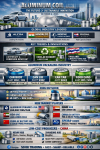
在2026年,铝卷产业(Aluminum Coil) 正迎来全球性的重大转折。随着技术革新、循环再生以及可持续发展的推进,全球主要制造商纷纷加快布局,以满足在电动汽车(EV)、现代建筑以及环保包装领域日益增长的需求。
从 Alcoa、Hindalco、Norsk Hydro、Rusal 等国际巨头,到 Aluminum Dynamics、EGA、Speira 以及中国的新兴制造商——各家公司都在通过 人工智能(AI)、自动化系统以及再生铝材的利用,打造轻量、坚固并且低碳排放的新型材料。
泰国依然是东盟地区的重要生产基地,闭环回收(Closed-Loop Recycling) 项目能够在短短60天内将废旧铝罐再生为新罐,节省高达95%的能源。
铝包装产业已成为新时代增长的核心,从饮料罐到食品包装,广泛采用 3004、3104、5182、5052 等特殊合金,既保证了强度,又确保了使用安全。
在全球迈向可持续发展的进程中,SO OK TRADING 始终坚守作为值得信赖的商业伙伴,持续为客户提供高质量的解决方案与深度洞察。
SO OK TRADING — FAST • SHARP • RELIABLE
4 10月 2026
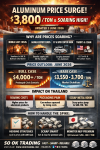
铝价飙升!突破3,800美元/吨,震撼全球市场–冲击泰国
战争、铝土矿、EV、电动车与关税推动铝价创4年来新高!
泰国企业面临巨大压力:成本飙升、包装产业受挤压、废铝市场火爆
应对策略:套期保值 • 废铝分级提价 • 关注日本MJP溢价
SO OK TRADING
FAST • SHARP • RELIABLE
3 6月 2026
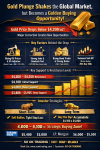
「黄金暴跌,震撼全球市场,却成为新的长期积累良机!」
11 6月 2026
