突破障碍:黄金突破 5,000 美元关口与全球展望
最后更新: 12 2月 2026
3206 浏览量
黄金突破 5,000 美元 —— 强劲上涨周期来临
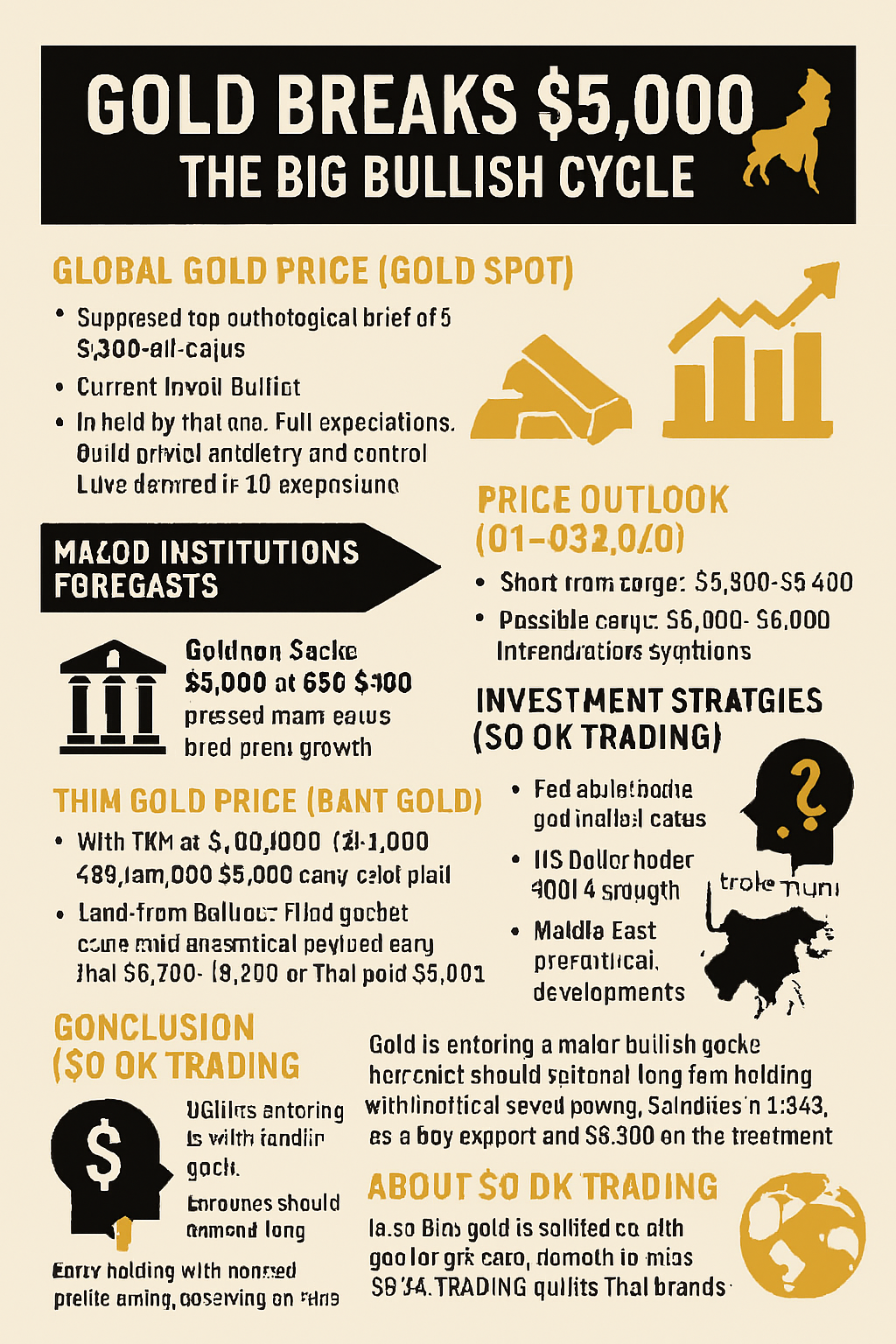
全球黄金现货价格(Gold Spot)突破了心理关口 每盎司 5,000 美元,在全球金融市场引发震动。目前走势依然保持 强劲上涨(Bullish),主要推动因素包括:美联储的降息预期、地缘政治紧张局势,以及央行的持续买入,尤其是中国已连续 15 个月增持黄金。
全球黄金价格走势展望(2026 年第一至第二季度)
第一季度:短期目标在 5,300–5,400 美元,若突破关键阻力位,有望进一步冲高至 5,500–6,000 美元。
第二季度:各大金融机构纷纷上调预测:
高盛(Goldman Sachs):5,500–5,800 美元(央行需求依旧强劲)
摩根大通(J.P. Morgan):6,000–6,300 美元(通胀居高不下 + 降息为主要驱动力)
瑞银(UBS):6,200 美元(黄金作为股市波动的“保险”)
花旗(Citi):短期 5,300 美元,预计调整后冲向 6,000 美元
渣打银行(Standard Chartered):5,500 美元(关注美欧政治不确定性)
泰国国内黄金价格(泰铢计价)
当汇率维持在 1 美元 = 31.00 泰铢 时,泰国金条价格预计在 74,500–80,300 泰铢 区间波动。若泰铢升值,国内金价的涨幅将低于国际金价,因此投资者需密切关注泰国央行的货币政策。
投资策略(SO OK TRADING 提供)
短线交易者(Trading):
在 5,000–5,050 美元区间逢低买入,若跌破 4,950 美元需止损。
长期投资者(Holding):
建议继续持有,因为全球利率仍处于下降周期。但当金价突破 5,400–5,500 美元,或泰国金价达到 80,000 泰铢时,应部分获利了结,以防范调整风险。
需关注的关键信号
美联储主席讲话:若暗示降息延后,金价可能大幅回调
美元指数(DXY):美元走强将直接压制金价
中东局势:若出现临时停火消息,可能引发短期获利回吐
SO OK TRADING 总结
黄金已进入 新一轮强劲上涨周期。投资者应结合长期持有与短期获利策略,重点关注 5,000 美元支撑位 与 5,500 美元阻力位,以制定高效的投资计划。
全球黄金现货价格(Gold Spot)突破了心理关口 每盎司 5,000 美元,在全球金融市场引发震动。目前走势依然保持 强劲上涨(Bullish),主要推动因素包括:美联储的降息预期、地缘政治紧张局势,以及央行的持续买入,尤其是中国已连续 15 个月增持黄金。
全球黄金价格走势展望(2026 年第一至第二季度)
第一季度:短期目标在 5,300–5,400 美元,若突破关键阻力位,有望进一步冲高至 5,500–6,000 美元。
第二季度:各大金融机构纷纷上调预测:
高盛(Goldman Sachs):5,500–5,800 美元(央行需求依旧强劲)
摩根大通(J.P. Morgan):6,000–6,300 美元(通胀居高不下 + 降息为主要驱动力)
瑞银(UBS):6,200 美元(黄金作为股市波动的“保险”)
花旗(Citi):短期 5,300 美元,预计调整后冲向 6,000 美元
渣打银行(Standard Chartered):5,500 美元(关注美欧政治不确定性)
泰国国内黄金价格(泰铢计价)
当汇率维持在 1 美元 = 31.00 泰铢 时,泰国金条价格预计在 74,500–80,300 泰铢 区间波动。若泰铢升值,国内金价的涨幅将低于国际金价,因此投资者需密切关注泰国央行的货币政策。
投资策略(SO OK TRADING 提供)
短线交易者(Trading):
在 5,000–5,050 美元区间逢低买入,若跌破 4,950 美元需止损。
长期投资者(Holding):
建议继续持有,因为全球利率仍处于下降周期。但当金价突破 5,400–5,500 美元,或泰国金价达到 80,000 泰铢时,应部分获利了结,以防范调整风险。
需关注的关键信号
美联储主席讲话:若暗示降息延后,金价可能大幅回调
美元指数(DXY):美元走强将直接压制金价
中东局势:若出现临时停火消息,可能引发短期获利回吐
SO OK TRADING 总结
黄金已进入 新一轮强劲上涨周期。投资者应结合长期持有与短期获利策略,重点关注 5,000 美元支撑位 与 5,500 美元阻力位,以制定高效的投资计划。


相关文章

铝废料:从废弃物到全球争夺的绿色资源
SO OK TRADING|2026年5月5日
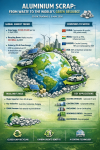
在世界加速迈向 净零排放 (Net Zero) 和 循环经济 (Circular Economy) 的时代,
“铝废料” 已不再只是废弃物,而是各国争相抢占的 战略性资源。
全球市场价格已攀升至四年来的最高水平,需求来自 电动汽车 (EV)、清洁能源 和 再生包装 持续增长。
中国、印度、美国和欧盟等主要经济体纷纷加快建设国内回收体系,以确保资源在本国循环利用。
泰国同样不容小觑 —— 已成为全球主要的铝废料进口国之一,为冶炼厂以及汽车、建筑、包装产业提供原料,推动迈向 绿色经济 (Green Economy)。
如今正是拥有 干净且分级良好的废料 的企业的“黄金时刻”。
铝废料不只是废弃物,而是 支撑未来世界的关键资源。
SO OK TRADING
FAST • SHARP • RELIABLE
5 五月 2026

2026年初黄金价格分析
截至2026年1月5日,黄金价格约为4,300–4,400美元/盎司,创下历史新高。这一走势延续了2025年全年强劲的上涨趋势。2026年的前景仍受到全球经济不确定性、贸易摩擦、国际贸易政策、美联储降息预期以及各国央行持续购金的支撑。
黄金价格概况(2026年初)
- 最新价格(2026年1月5日): 4,400–4,450 USD/oz
- 2025年走势: 黄金全年收于历史新高,反映了投资者与央行的强劲买盘
- 市场定位: 黄金不仅被视为短期抗通胀工具,更是全球投资组合中的战略性配置资产
影响黄金价格的关键因素
- 美国货币政策(美联储): 市场预期2026年将降息,推动金价上涨
- 通胀与全球经济: 对衰退与通胀的担忧促使投资者增持黄金作为避险资产
- 全球央行: 多国继续增加黄金储备,以分散美元风险
- 地缘政治风险: 战争、国际紧张局势与政治不确定性持续支撑金价
2026年走势展望
- 基准区间: 预计金价在 4,300–5,500 USD/oz 之间运行 → 突破5,000 USD/oz的可能性很高
- 上涨潜力: 若美联储快速降息或全球经济显著放缓,金价可能突破 5,500 USD/oz
- 下行风险: 若全球经济迅速复苏且利率维持高位,金价可能回调至 ~4,000 USD/oz(概率较低,目前仍处于上升趋势)
投资者建议
- 短期: 密切关注美联储会议、各国经济政策、中国资源出口限制、去美元化趋势及国际贸易政策
- 中长期: 黄金仍是避险资产,适合用于投资组合的风险分散 → 价格有望继续上涨
结论
2026年黄金价格仍处于历史高位,整体趋势 维持上升。尽管短期可能出现回调,但在货币宽松、全球经济不确定性与央行购金的推动下,金价有望继续走高。
6 1月 2026
