Wood Pellets — A Clean Energy Source Green Energy for Carbon Credit (BY SOOK TRADING)
Last updated: 8 Jan 2026
3182 Views
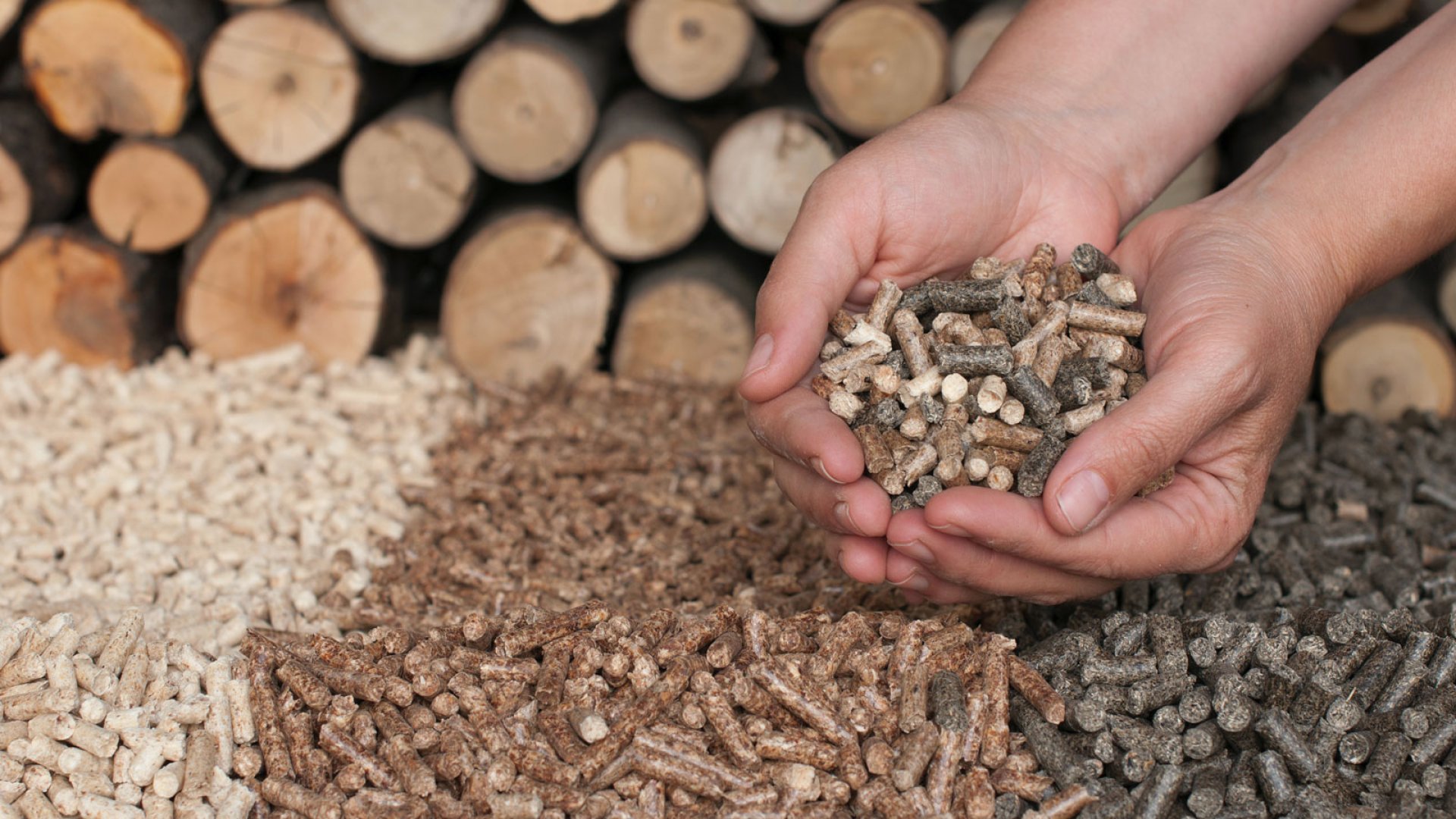
Key Drivers of Global Biomass Fuel Demand Growth
As governments around the world promote renewable energy policies, the global transition from fossil fuels to low-carbon energy sources is accelerating. Japan has set a target to increase the share of renewable energy to 22–24% by 2030, aiming to reduce greenhouse gas emissions and strengthen energy security.
Main Drivers
Sustainability Certification Systems: Programs such as SBP (Sustainable Biomass Program) and GGL (Green Gold Label)
Stable Raw Material Supply: Industries such as paper manufacturing, wood processing, and biomass power generation require consistent and reliable feedstock
Limited Domestic Resources: Domestic biomass sources like construction waste and sawmill residues are insufficient to meet demand
Import Dependency and Diversified Procurement: Imports mainly come from Vietnam and Southeast Asian countries. To mitigate procurement risks, stable supply from multiple countries is essential
Export Potential of Thai Wood Pellets
Thailand is a rapidly growing exporter of wood pellets in Southeast Asia, with Japan and South Korea as its primary markets. Demand is expected to continue rising in 2025–2026, driven by clean energy policies and carbon credit mechanisms.
Contact Us
SOOK TRADING (Thailand) offers stable and reliable wood pellet supply. If you are interested in sourcing, please contact us via:
WeChat / WhatsApp: +66 9555 66352
Facebook: SOOKTRADING
Official Website https://www.sooktrading.com/contact
As governments around the world promote renewable energy policies, the global transition from fossil fuels to low-carbon energy sources is accelerating. Japan has set a target to increase the share of renewable energy to 22–24% by 2030, aiming to reduce greenhouse gas emissions and strengthen energy security.
Main Drivers
Sustainability Certification Systems: Programs such as SBP (Sustainable Biomass Program) and GGL (Green Gold Label)
Stable Raw Material Supply: Industries such as paper manufacturing, wood processing, and biomass power generation require consistent and reliable feedstock
Limited Domestic Resources: Domestic biomass sources like construction waste and sawmill residues are insufficient to meet demand
Import Dependency and Diversified Procurement: Imports mainly come from Vietnam and Southeast Asian countries. To mitigate procurement risks, stable supply from multiple countries is essential
Export Potential of Thai Wood Pellets
Thailand is a rapidly growing exporter of wood pellets in Southeast Asia, with Japan and South Korea as its primary markets. Demand is expected to continue rising in 2025–2026, driven by clean energy policies and carbon credit mechanisms.
Contact Us
SOOK TRADING (Thailand) offers stable and reliable wood pellet supply. If you are interested in sourcing, please contact us via:
WeChat / WhatsApp: +66 9555 66352
Facebook: SOOKTRADING
Official Website https://www.sooktrading.com/contact



Related Content

“Copper Crunch 2027: New Discoveries – Global Supply Crisis”
The world is accelerating toward clean energy and smart technologies. In this transformation, copper has emerged as the strategic metal powering every innovation — from electric vehicles (EVs) and renewable energy systems to AI data centers that require massive amounts of copper for power transmission and cooling.
Yet behind this surging demand lies a warning sign: the looming global copper supply crunch. Aging mines are losing productivity, while new projects remain in exploration and development stages. Supply is struggling to keep pace with demand. Copper is no longer just an industrial metal — it has become the heartbeat of the New Energy Economy.
SO OK TRADING has compiled the latest insights from across the globe — including new discoveries in the DRC, Chile, China, and Kazakhstan — along with price outlooks and procurement strategies. This comprehensive view of the copper market helps businesses prepare for “Copper Crunch 2027”, a turning point that will reshape global industries throughout the next decade.
14 Oct 2026
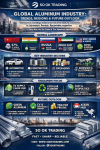
Global and Thai Aluminum Industry: Roles, Challenges, and Future Outlook in the Era of Green Transition
SO OK TRADING | 18 October 2026
Aluminum — the strategic metal of the 21st century — is rapidly becoming the backbone of the modern global economy. With its unique properties of being lightweight, strong, corrosion-resistant, and infinitely recyclable, aluminum is now indispensable across industries ranging from electric vehicles (EVs) and renewable energy, to green construction and eco-friendly packaging.
In 2026, the world is undergoing a critical transformation — shifting from conventional metal production to the rise of “Green Aluminum”, which emphasizes reduced carbon emissions and clean energy utilization. China dominates the global market, accounting for 57% of total production, while regions such as India, Russia, the Middle East, Europe, and North America are accelerating technological advancements to compete in sustainability-driven markets.
Thailand’s aluminum industry is also evolving rapidly to meet the growing demand from the EV supply chain and the adoption of Circular Economy practices, focusing on recycling and lowering carbon footprints. This positions Thailand as a rising hub for downstream aluminum processing within ASEAN.
18 Oct 2026
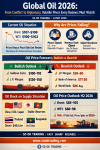
“Global Oil 2026: From War to Diplomacy on the World Stage”
Oil prices have started to decline as U.S.–Iran peace signals emerge and the Strait of Hormuz reopens. The market breathes easier, but volatility remains high.
Brent: $107–108
WTI: $100–102
Analysts warn: if peace talks collapse, prices could rebound sharply to $120.
Energy businesses should lock in costs early and explore alternative energy sources to navigate uncertainty.
SO OK TRADING | FAST • SHARP • RELIABLE
6 May 2026
