Share

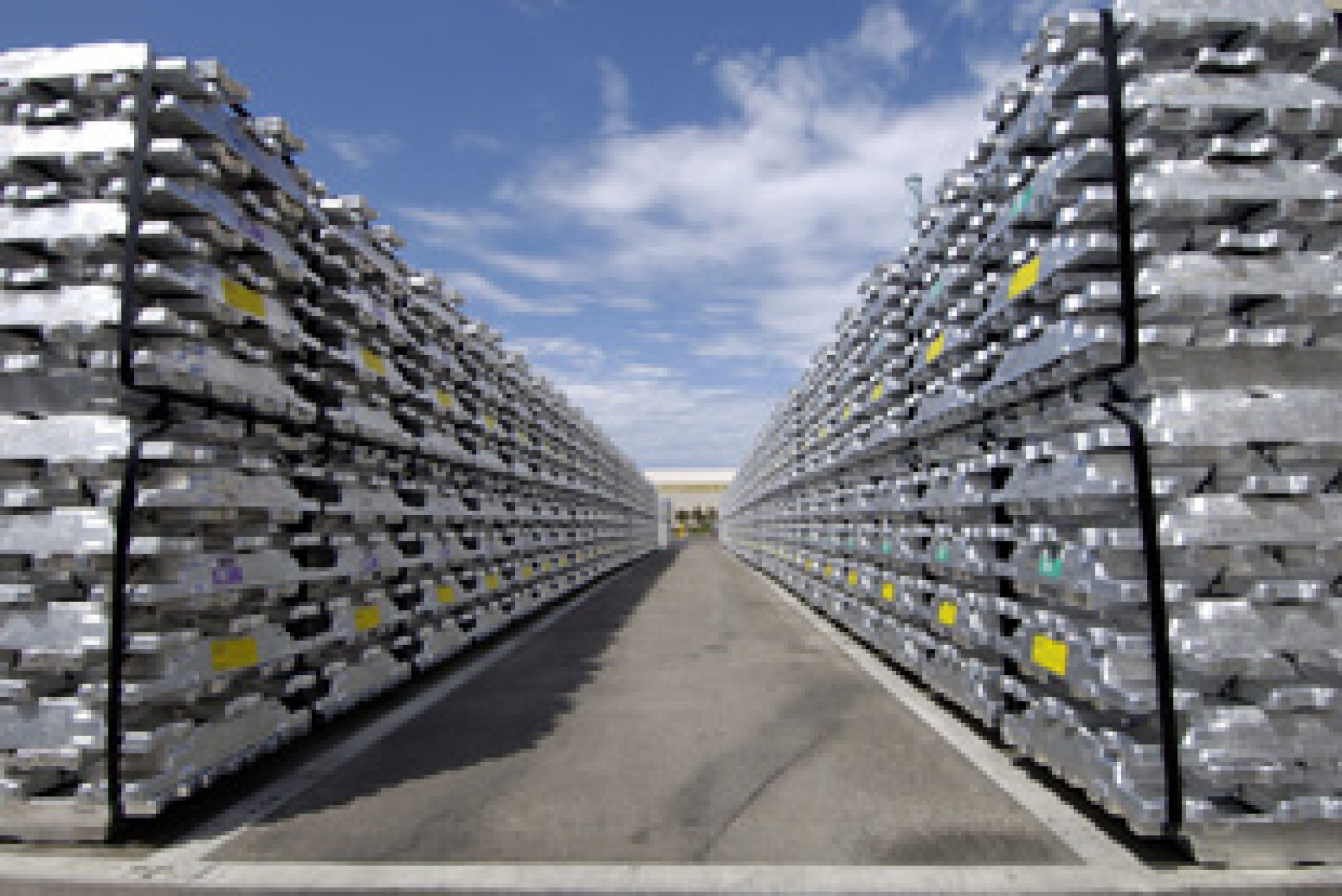
เกร็ดความรู้ การใช้งาน ALUMINUM INGOT (อลูมิเนียม INGOT) P1020 A7
Last updated: 28 Nov 2025
482 Views

แท่งอะลูมิเนียม (Aluminum Ingot) ถูกนำไปใช้เป็นวัตถุดิบหลักในการผลิตผลิตภัณฑ์หลากหลายประเภท เช่น บรรจุภัณฑ์, ชิ้นส่วนยานยนต์และการบิน, ชิ้นส่วนอิเล็กทรอนิกส์, และโครงสร้างอาคาร เนื่องจากมีคุณสมบัติเด่นคือ น้ำหนักเบา, ทนทานต่อการกัดกร่อน, นำความร้อนได้ดี, และนำกลับมาใช้ใหม่ได้ โดยแท่งอะลูมิเนียมจะถูกนำไปผ่านกระบวนการขึ้นรูปต่างๆ เช่น การหล่อ การรีด เพื่อให้ได้ผลิตภัณฑ์ตามรูปทรงที่ต้องการ 
 
การใช้งานหลักของ Aluminum Ingot
บรรจุภัณฑ์: ใช้ผลิตกระป๋อง, ฟอยล์, และบรรจุภัณฑ์เครื่องสำอาง
ยานยนต์และการบิน: ใช้ผลิตชิ้นส่วนต่างๆ ที่ต้องการความแข็งแรงแต่น้ำหนักเบา เช่น ล้อ, ตัวถัง, และส่วนประกอบเครื่องยนต์ เพื่อเพิ่มประสิทธิภาพในการประหยัดพลังงาน
อิเล็กทรอนิกส์: ใช้ผลิตชิ้นส่วนอิเล็กทรอนิกส์, ฮีทซิงก์ (Heat Sink) และเคสต่างๆ เนื่องจากคุณสมบัตินำความร้อนได้ดี
อาคารและสถาปัตยกรรม: ใช้ผลิตโครงสร้างอาคาร, ประตู, หน้าต่าง, และเฟอร์นิเจอร์ เพราะทนทานต่อสนิม และมีอายุการใช้งานยาวนาน
แม่พิมพ์: ใช้ผลิตแม่พิมพ์สำหรับงานต่างๆ เช่น แม่พิมพ์พลาสติก, ยาง, และโฟม
ชิ้นส่วนเครื่องจักร: ใช้ผลิตส่วนประกอบของเครื่องจักรต่างๆ ที่ต้องการหลีกเลี่ยงการเกิดสนิม

-----

การใช้งาน ALUMINUM 

เหมาะสำหรับชิ้นงานที่ต้องการความแข็งแรง มีรูปร่างซับซ้อน ต้องการขนาดที่แม่นยำและผลิตคราวละมากๆ ตามมาตรฐาน ประหยัด และรวดเร็วพร้อมใช้งาน

ขั้นตอนการฉีดอลูมิเนียม จาก แท่ง อลูมิเนียมสู่ชิ้นงาน 

1)กระบวนการหลอม (Melting) เป็นขั้นตอนในการหลอม Ingot (แท่งอลูมิเนียม) ในเตาตามอุณหภูมิที่กำหนด เพื่อให้กลายเป็นน้ำอโลหะ
2) กระบวนการหล่อ (Casting) เป็นกระบวนการขึ้นรูปชิ้นงาน โดยการฉีดขึ้นรูปด้วยการใช้แรงดันสูง ซึ่งจะใช้น้ำอลูมิเนียมจากเตาหลอม แล้วใช้เครื่องฉีด ฉีดน้ำอลูมิเนียมเข้าไปในแม่พิมพ์ ทิ้งให้น้ำอลูมิเนียมแข็งตัวแล้วจึงทำการแกะชิ้นงานออกจากแบบ และในขั้นตอนนี้จะมีการตรวจสอบสภาพภายนอกของชิ้นงานทุกชิ้น
3) การตัด Gate และ Overflow (Gate and Over flow cut) เป็นขั้นตอนในการนำชิ้นงานที่ได้จากการหล่อ มาทำการตัด Gate และ Overflow ที่ติดมาด้วยออก เพื่อให้เหลือแต่ชิ้นงาน
4) กระบวนการตรวจสอบและตกแต่ง (Final Inspection) เป็นการตรวจสอบในขั้นตอนสุดท้าย ก่อนทำการบรรจุเพื่อส่งมอบให้ลูกค้า จะเป็นการตกแต่งชิ้นงานใหส่วนที่เหลือ และการตรวจสอบในจุดที่ไม่มั่นใจในระดับคุณภาพ และจุดที่เป็น Critical Point ของชิ้นงาน
5) กระบวoการบรรจุ (Packing & Delivery) เป็นขั้นตอนในการนำชิ้นงานที่ผ่านการตรวจสอบแล้วมาทำความสะอาดและบรรจุกล่องตามมาตรฐานของบรรจุภัณฑ์


ตัวอย่างผลิตภัณฑ์ และ ชิ้นงานฉีดขึ้นรูปด้วยอลูมิเนียมผสม ได้แก่

1) ชิ้นส่วนยานยนต์
2) ชิ้นส่วนไฟฟ้า และอิเล็กทรอนิคส์ ลวดมอเตอร์ อลูมิเนียม
3) ชิ้นส่วนสุขภัณฑ์
4) ของเด็กเล่น 
5) เครื่องครัว และ เครื่องใช้ภายในบ้าน ได้แก่ บานพับประตู-หน้าต่าง ที่จับประตู-หน้าต่าง ที่ล็อกประตูบานเลื่อน 

-----

ตัวอย่าง Application ที่หลากหลายในการใช้งาน ALUMINUM

การประยุกต์ใช้ทั่วไปของอลูมิเนียมภายใต้เงื่อนไขของการพัฒนาอย่างต่อเนื่องของอุตสาหกรรม นอกจากนี้ อลูมิเนียมยังคงมีความต้องการสูงมากขึ้นเรื่อยๆ ในทุกๆปี ลำดับต่อไปนี้คือลักษณะการใช้ อลูมิเนียม หรือ การประยุกต์

คุณลักษณะต่างๆของอลูมิเนียม

** อลูมิเนียม, การนําไฟฟ้าเป็นสิ่งที่ดี, ความต้านทานการกัดกร่อนที่ดี, ประสิทธิภาพการเชื่อมที่ดี, ความเข้มต่ํา, เสริมสร้างการรักษาความร้อนของตัววัตถุ
** อโลหะผสมอลูมิเนียมที่มีทองแดงเป็นองค์ประกอบโลหะผสมหลักของ นอกจากนี้ยังสามารถเพิ่มแมงกานีสแมกนีเซียมตะกั่วและบิสมัทเพื่อแปรรูปเป็นชิ้นงานต่างๆที่มีคุณสมบัติแตกต่างกันไป เช่นล้อแม๊ก รถยนต์ , กระป๋อง , บรรจุภัณฑ์ , เฟรมตัวถังรถยนต์ , เครื่องยนต์ เครื่องจักร ชิ้นงานต่างๆ
แมงกานีสเป็นองค์ประกอบหลักของอโลหะผสมอลูมิเนียม, การรักษาความร้อนเพื่อเสริมสร้าง, ความต้านทานการกัดกร่อนที่ดี, ประสิทธิภาพการเชื่อมที่ดีของชิ้นงานบรรจุภัณฑ์
อโลหะอลูมิเนียม ผสมกับแมกนีเซียม ความอดทนสามารถต้านทานดีประสิทธิภาพในเรื่องความแข็งแกร่งคงทนของชิ้นงาน
อโลหะอลูมิเนียมผสมกับแมกนีเซียมและซิลิกอนของ Mg2Si เป็นขั้นตอนการเสริมสร้างความเข้มแข็งหลัก, ปัจจุบันโลหะผสมที่ใช้กันอย่างแพร่หลายมากที่สุด.

ตัวอย่างการใช้งาน อโลหะอลูมิเนียมในอุตสหากรรมต่างๆ

1050:อาหาร, สารเคมี, และอุตสาหกรรมการต้มกับขดลวดอัดขึ้นรูป, เคลือบท่อ,ชิ้นงาน
 1060: formabilityสูง, แต่ความต้องการความแข็งแรงไม่สูง : กระป๋องเบียร์ เครื่องดื่ม
1100: ถูกนํามาใช้สําหรับการประมวลผลความต้องการformabilityที่ดีและความต้านทานการกัดกร่อนสูงแต่ไม่จําเป็นต้องความเข้มสูงของชิ้นส่วน, เช่นผลิตภัณฑ์สารเคมี, อุปกรณ์อุตสาหกรรมอาหารและภาชนะบรรจุ, ชิ้นส่วนเครื่องจักรกล, ภาพวาดลึกของแผ่นหรือปั่นเว้าเครื่อง, เชื่อมส่วน, แลกเปลี่ยนความร้อน, แผ่นพิมพ์, ป้าย, อุปกรณ์สะท้อนแสง
1145: บรรจุและฉนวนกันความร้อนอลูมิเนียมฟอยล์, แลกเปลี่ยนความร้อน - แผง Motor , Heat Plate Etc.
1199: ไฟฟ้าตัวเก็บประจุฟอยล์, แสงสะท้อนฟิล์มฝาก : ห้อง LAB , ฟิลม์ เอ๊กซ์เรย์
1350: ลวด, ลวดนําไฟฟ้า, รถบัส, หม้อแปลงแถบ ดึงลวดเป็นอลูมิเนียม

-------------


Related Content
ALUMINUM PRICE TREND 2026
An analysis of the aluminum market in 2026 indicates a likely continued market deficit and upward price pressure, driven by constrained supply and resilient demand from green energy sectors. However, significant volatility is expected due to policy uncertainties and the potential for new Indonesian supply to eventually balance the market. Key Drivers and Projections for 2026 Supply Side Analysis Capacity Constraints: China's primary aluminum output is approaching its self-imposed 45 million-tonne capacity cap, limiting global supply growth. Power Challenges: Smelters outside of China face intense competition for power from energy-intensive sectors like AI data centers, which are willing to pay higher prices for long-term contracts. This has kept significant capacity offline in Europe and the US. Production Disruptions: Outages and potential shutdowns at existing smelters in Iceland and Mozambique further tighten the market. Scrap Supply Pressure: The EU's planned implementation of the Carbon Border Adjustment Mechanism (CBAM) and potential scrap export tariffs in spring 2026 are expected to impact global scrap flows, creating regional shortages and price volatility. New Capacity: Indonesia is a key source of new supply, with several projects in the pipeline. However, analysts suggest the pace of the ramp-up may be slower than expected due to infrastructure and policy challenges, meaning it is unlikely to fully offset near-term tightness. Demand Side Analysis Green Transition Demand: Demand from "green" sectors such as solar panels, new energy vehicles, and energy transition infrastructure remains strong, providing fundamental support for the market. Substitution Effect: Aluminum's wide price discount relative to copper has encouraged substitution in electrical applications, acting as a tailwind for demand and prices. Construction and Automotive: The construction and automotive industries continue to be major consumers, with growing demand for lightweight, low-carbon aluminum products. Price Forecasts and Volatility The market is expected to remain in a deficit in 2026, with estimates ranging from 200,000 to 600,000 tonnes. This structural tightness is leading most analysts to forecast sustained or rising prices. Bullish Views: Analysts at Bank of America project prices of $3,000/tonne as early as 2026. J.P. Morgan also expects prices to approach $3,000/tonne in Q1 2026. ING forecasts an average price of $2,900/tonne for the year. Bearish/Conservative Views: Goldman Sachs is an outlier, forecasting prices to decline to $2,350/tonne by Q4 2026, anticipating a market surplus later in the year. SMM forecasts a "high first, then lower" pattern, with prices finding equilibrium in the $2,700–$2,800/tonne range by year-end. Premiums: Regional premiums, particularly the US Midwest premium, are expected to remain high and volatile due to tariffs and regional supply dynamics, creating a disconnect from the LME benchmark price. In essence, 2026 is projected to be a year of high volatility where participants need to focus on scenario readiness rather than relying on a single price forecast, as geopolitical and energy policies significantly influence regional supply and costs
31 Dec 2025
Supercycle 2026: The Day the World Buys Precious Metals: From Dollar Weakness to USA–IRAN Conflict: A Turning Point for the Global Commodity Market Analysis by SO OK TRADING
On January 29, 2026, the global metals and commodities market witnessed a historic moment. Gold, silver, copper, and aluminium all surged to new All-Time Highs, marking the onset of a powerful Supercycle. The rally was driven by multiple forces: the U.S. dollar falling to its lowest level in four years, escalating geopolitical tensions between the United States and Iran, China’s restrictive export policies, and booming demand from the EV and AI industries. SO OK TRADING identifies this extraordinary surge as a critical turning point for the global commodity market, offering insights into price movements and strategies for February 2026. While the bullish trend remains intact, overheating signals and correction risks are rising, requiring investors to stay vigilant and manage risk carefully. Despite at the night Gold went down from 5,600 USD/ONZ to 5,000 USD/ONZ LEVEL and Silver at went down from 122USD/ONZ to 115 USD/ONZ Level
30 Jan 2026
“ADC12: Forging the Future to 2040 — The Backbone of EVs and the Circular Economy, Where Cost-Efficiency Meets Sustainability"
The application trends of ADC12 are undergoing a significant transformation. Once regarded primarily as a low-cost casting material, ADC12 is now evolving into a strategic resource driven by sustainability and advanced technologies — especially in the fields of electric vehicles (EVs), renewable energy, and smart electronic structures. This infographic provides a comprehensive overview of ADC12, highlighting its key properties, major industrial applications worldwide, market pricing, and future development trends. From vacuum casting to AI-powered zero-defect manufacturing, it illustrates the next generation of innovation at a glance. If you are a manufacturer or procurement professional seeking high-quality aluminum casting materials that balance cost-efficiency with sustainability, SO OK TRADING is the trusted partner you can rely on. With expertise spanning metals, non-metals, agricultural products, and green energy, we deliver transparent and reliable services tailored to global markets.
25 Feb 2026
This website uses cookies for best user experience, to find out more you can go to our Privacy Policy and Cookies Policy
Powered By MakeWebEasy Logo MakeWebEasy