SO OK TRADING'S INSIGHT | As the World Moves Away from Plastic: Aluminum Cans Are Emerging as the Biggest Winner of the Circular Economy | 25 NOV 2026
SO OK TRADING'S INSIGHT
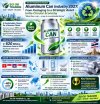
Aluminum Can Industry 2027: When Packaging Is No Longer Just a Container but a Strategic Pillar of the Future Circular Economy
25 NOV 2026
In an era where global businesses are facing increasing pressure from climate change, stricter environmental regulations, and growing consumer expectations around sustainability, packaging has evolved far beyond its traditional role as a product container. Today, it is becoming a strategic asset that directly influences corporate competitiveness.
Among all packaging materials, aluminum cans are emerging as one of the greatest beneficiaries of this transformation. Once considered merely a beverage container, aluminum cans have become a critical component of the ESG and Circular Economy agendas being actively pursued by leading global corporations.
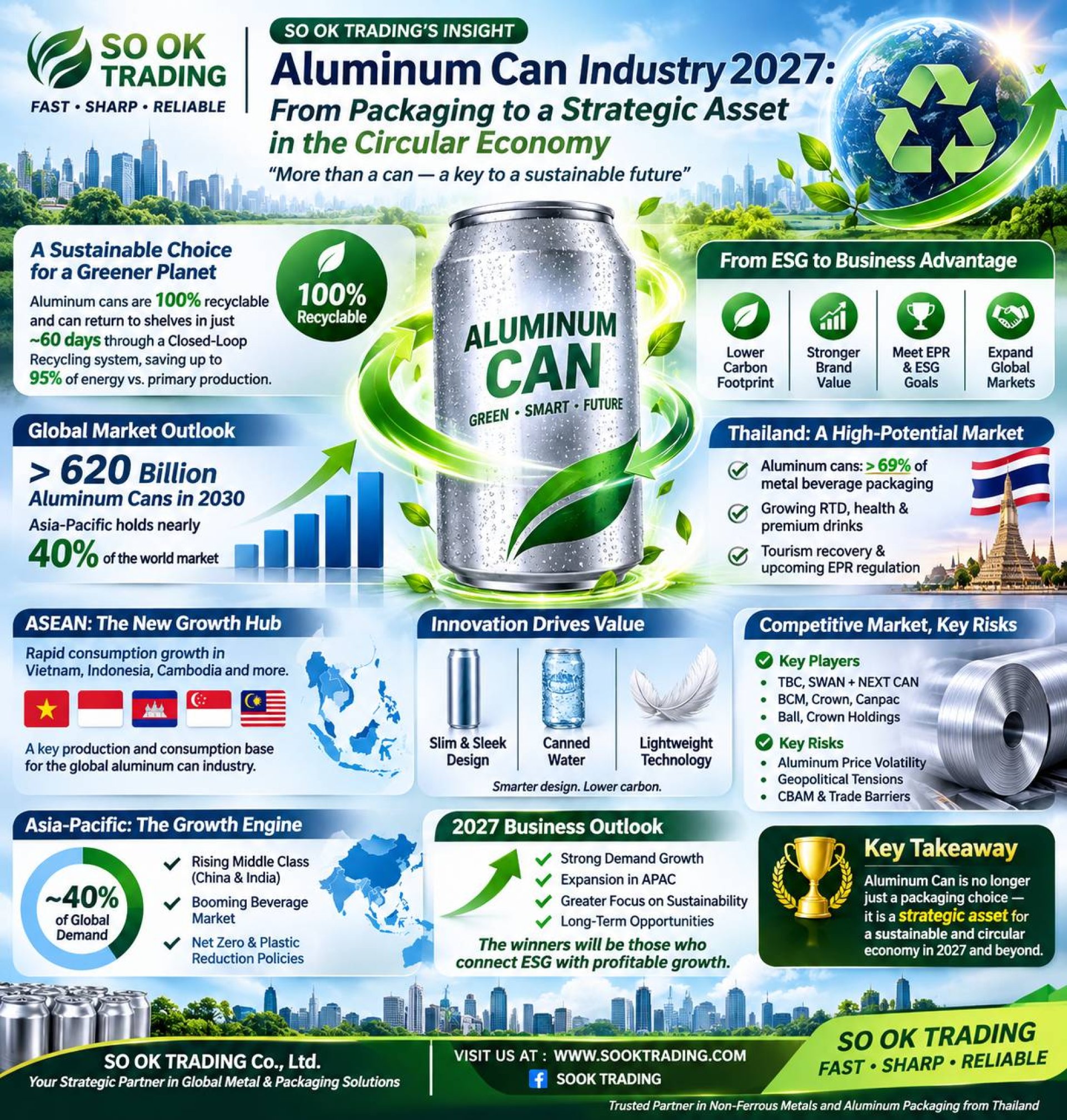
The key reason lies in aluminum's unique ability to be recycled infinitely without losing its material properties. Through Closed-Loop Recycling, or the "Can-to-Can" system, used beverage cans can be transformed into new cans within approximately 60 days. Furthermore, recycled aluminum requires up to 95% less energy compared to producing primary aluminum from bauxite ore.
These advantages have prompted many of the world's leading beverage brands to accelerate their transition from PET plastic bottles and glass packaging to aluminum cans, supporting carbon reduction goals, ESG commitments, and compliance with increasingly stringent environmental regulations worldwide.
From ESG to Business Case: When Sustainability Becomes a Competitive Advantage
Historically, investments in sustainability were often viewed as a cost. Today, that perception is changing rapidly.
For the beverage industry, adopting aluminum cans not only reduces environmental impact but also creates tangible business advantages. These include lowering carbon footprints, complying with Extended Producer Responsibility (EPR) requirements, enhancing export opportunities to developed markets, and strengthening brand positioning through a modern and environmentally responsible image.
A growing number of consumers, particularly younger generations, now make purchasing decisions based on a brand's sustainability credentials. As a result, packaging is becoming an integral part of marketing strategy and brand value creation rather than merely an operational expense.
Thailand: Entering a New Growth Cycle
Thailand represents one of Southeast Asia's most promising markets for the aluminum can industry.
Although PET bottles and glass containers still dominate the beverage packaging landscape, clear shifts are underway, driven by the rapid growth of Ready-to-Drink (RTD) beverages, functional drinks, health-focused products, ready-to-drink coffee, and premium beverage segments.
The recovery of Thailand's tourism sector, rising domestic consumption, and the anticipated implementation of EPR legislation are all supporting long-term industry growth.
Today, aluminum accounts for more than 69% of Thailand's metal beverage packaging market. However, significant room for expansion remains when compared to neighboring countries with substantially higher per-capita aluminum can consumption.
From an investor's perspective, Thailand remains in an early growth stage, with the industry expected to enter an accelerated expansion phase over the coming years.
ASEAN: The Emerging Global Hub of the Aluminum Can Industry
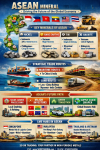
Across the region, ASEAN is becoming one of the fastest-growing aluminum packaging markets in the world.
Countries such as Vietnam, Cambodia, and Indonesia continue to experience rising consumption of canned beverages, driven by expanding middle-class populations, urbanization, and increasingly mobile, on-the-go lifestyles.
In several ASEAN markets, aluminum cans already account for more than 60-70% of beverage packaging, particularly in beer, energy drinks, and ready-to-drink categories.
This sustained growth is attracting significant investments from global packaging manufacturers, transforming ASEAN into not only a major consumer market but also a crucial production and supply-chain hub for the global aluminum can industry.
Asia-Pacific: The World’s Growth Engine
The Asia-Pacific region currently accounts for nearly 40% of the global aluminum can market and remains the fastest-growing region worldwide.
The expansion of middle-class consumers in China and India, the rise of the digital economy, increasingly fast-paced lifestyles, and growing demand for convenient beverage formats are all fueling market growth.
At the same time, Net Zero initiatives, Carbon Neutrality commitments, and policies aimed at reducing single-use plastics are further accelerating demand for aluminum packaging.
Industry analysts project that global aluminum can consumption could surpass 620 billion units by 2030, reinforcing the position of aluminum cans as the new standard for the global beverage industry.
Technology and Innovation Are Creating New Value
Competition today is no longer driven solely by production capacity. Innovation has become a key differentiator.
One of the fastest-growing trends is the adoption of Slim and Sleek Cans, which have gained popularity across ready-to-drink coffee, functional beverages, vitamin drinks, energy drinks, and premium beverage segments. These formats enhance shelf appeal, elevate brand perception, and support premium pricing strategies.
At the same time, Canned Water is gaining momentum among hotels, airlines, and major international events seeking to reduce plastic consumption and strengthen sustainability credentials.
Manufacturers are also investing heavily in Lightweighting Technologies, reducing aluminum usage while maintaining strength and performance. This helps lower raw-material costs, transportation expenses, and carbon emissions across the entire supply chain.
Industry Structure: A Market Driven by Scale and Efficiency
The aluminum can industry operates within an oligopolistic market structure, characterized by a limited number of major players.
High capital expenditure requirements, complex manufacturing technologies, and stringent quality standards create significant barriers to entry.
Major players in Thailand include:
Thai Beverage Can (TBC)
SWAN + NEXT CAN
Bangkok Can Manufacturing (BCM)
Crown Beverage Cans Thailand
Canpac
At the regional and global levels, key industry leaders include:
Ball Corporation
Crown Holdings
Can-One Group
Kian Joo Can Factory
As a result, competition extends far beyond pricing. Success increasingly depends on cost efficiency, recycling capabilities, supply-chain resilience, and the ability to meet customers' ESG expectations.
Key Risks to Watch: Aluminum Prices and Geopolitics
Despite a strong long-term outlook, industry participants must continue managing several critical risks.
Approximately 60-70% of aluminum can production costs are tied to aluminum coil prices, which are largely driven by global benchmark pricing on the London Metal Exchange (LME). Consequently, fluctuations in aluminum prices can have a direct impact on profitability.
Additional risks include geopolitical tensions, China's production restrictions, U.S. aluminum trade policies, and the European Union's Carbon Border Adjustment Mechanism (CBAM), all of which may influence future cost structures and trade flows.
However, new production capacity coming online in Indonesia and the Middle East could help ease supply constraints and reduce pricing pressure from 2027 onward.
Business Outlook 2027: The Winners Will Be Those Who Integrate ESG into Business Strategy
Looking ahead, the aluminum can industry is uniquely positioned to benefit from multiple global megatrends simultaneously, including ESG, the Circular Economy, Net Zero targets, plastic reduction initiatives, and the continued expansion of the global ready-to-drink beverage market.
Future competition may no longer be determined by who produces the most beverages, but rather by who can build the most efficient, sustainable, and regulation-ready supply chain.
For aluminum can manufacturers, recyclers, non-ferrous metal businesses, and beverage brand owners, this represents one of the most compelling growth opportunities of the coming decade.
As sustainability becomes a defining factor in global competition, aluminum cans are evolving beyond packaging. They are becoming a critical piece of infrastructure supporting the future of both the circular economy and the global beverage industry.
Executive Insight
Aluminum cans are rapidly transitioning from an alternative packaging option to a strategic asset for the global beverage industry.
Their Closed-Loop Recycling capability, alignment with ESG objectives, and ability to reduce supply-chain costs position them at the center of future sustainable growth. Thailand and ASEAN enjoy significant advantages as both manufacturing hubs and high-growth consumer markets.
Organizations that successfully translate sustainability into measurable business value will be best positioned to gain a competitive edge and outperform the market throughout the 2027-2030 period.
SO OK TRADING
Your Trusted Business Partner
FAST • SHARP • RELIABLE
www.sooktrading.com
Facebook: SO OK TRADING
SO OK TRADING
Thailand's Trusted Partner in Non-Ferrous Metals and Aluminum Packaging Solutions
Sources: IMARC Group, Global Market Insights (GMI), Future Market Insights (FMI), European Commission (CBAM), Ball Corporation Sustainability Reports, Research and Markets, Mordor Intelligence, and analysis by the SO OK TRADING Research Team.