SO OK TRADING INSIGHT: From the Persian Gulf to Global Markets — Price Surge, Supply Shortage, Logistics Shift, and Aluminum’s Recovery from Crisis to Opportunity October 28, 2026
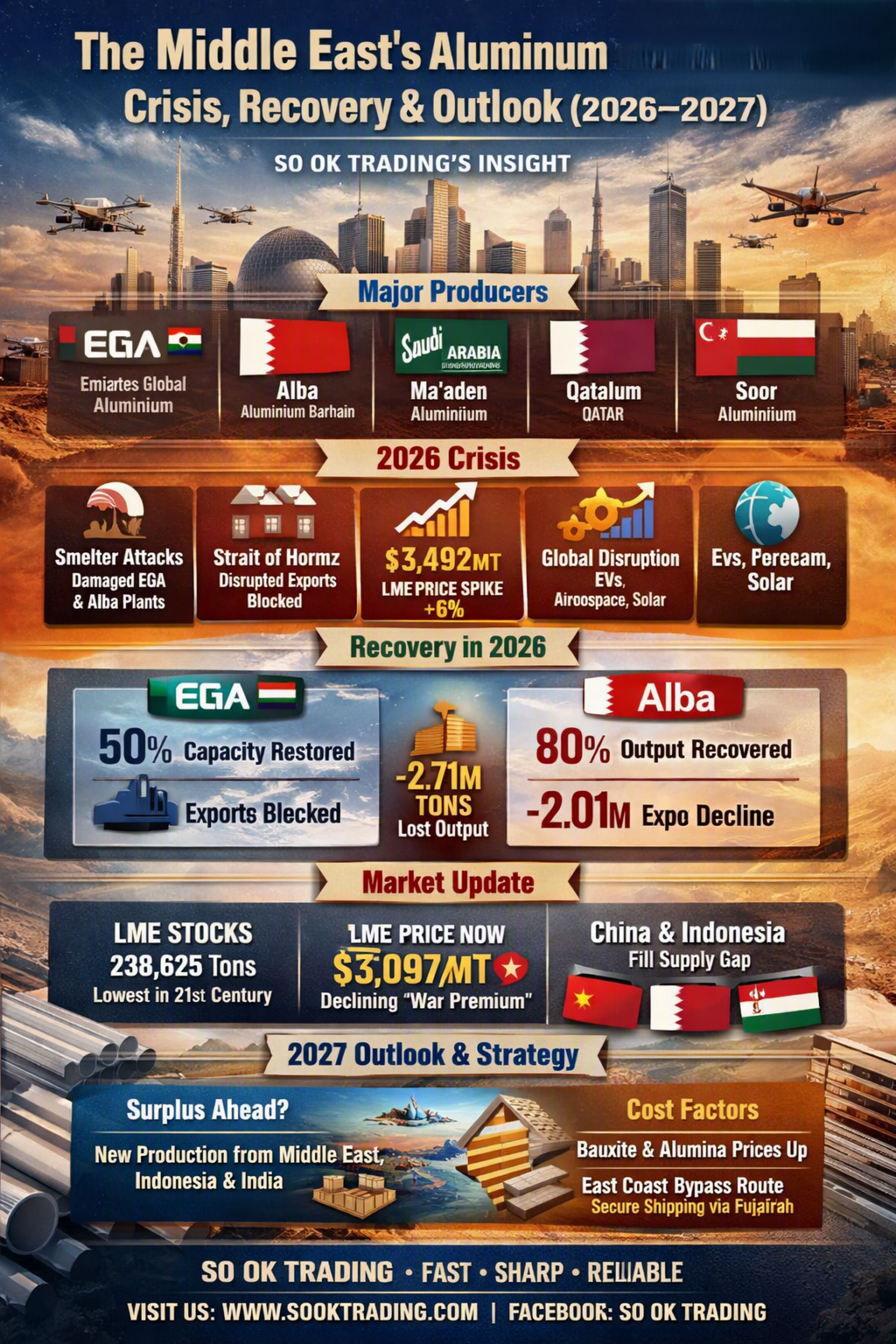
The Middle East and the Global Aluminum Battlefield: Supply Crisis, Recovery, and Future Outlook (2026–2027)
SO OK TRADING’S INSIGHT | October 28, 2026
Introduction
The Middle East is one of the world’s largest aluminum-producing and exporting regions, particularly the Gulf Cooperation Council (GCC) countries, which benefit from low energy costs and strategic geographic positioning that connects both European and Asian markets. Aluminum from this region serves as a vital artery for global industries, ranging from electric vehicles (EVs) and aerospace to solar energy and packaging.
However, 2026 has become a year of challenges. Geopolitical conflicts and aerial attacks disrupted production capacity across the region, severely impacting global market prices and supply chains.
Major Producers in the Middle East
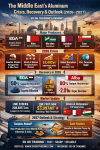
Emirates Global Aluminium (EGA) – UAE: The largest aluminum producer in the region and a global leader.
Aluminium Bahrain (Alba) – Bahrain: One of the world’s largest single-site smelters outside China.
Ma’aden Aluminium – Saudi Arabia: A fully integrated national mining and metals company, from bauxite mining to finished products.
Qatalum – Qatar: A joint venture producing high-quality aluminum for export.
Soor Aluminium – Oman: A key supplier focused on regional industries and exports.
The 2026 Crisis
Smelter Attacks: EGA and Alba facilities were damaged by airstrikes and drone attacks, forcing declarations of Force Majeure.
Strait of Hormuz Disruption: Shipping routes were blocked, halting exports.
Price Surge: LME aluminum prices spiked to $3,492/ton (+6%), the highest in years.
Global Impact: EVs, power grids, aerospace, and solar industries faced soaring costs and raw material shortages.
Recovery and Current Situation (October 2026)
EGA (UAE): Al Taweelah smelter has restored 50% of capacity, aiming for full recovery by Q1 2027.
Alba (Bahrain): Output has recovered to about 80% of pre-crisis levels.
Supply Impact: Despite recovery, over 2.71 million tons of aluminum were lost, reducing exports by 2.01 million tons in 2026.
Market Mechanisms and Global Pricing
War Premium Decline: LME 3M prices fell from $3,250 to around $3,097–$3,100/ton.
Record-Low LME Stocks: Inventories dropped to 238,625 tons, the lowest in the 21st century.
China & Indonesia Substitution: Producers from these countries filled the global supply gap.
Outlook for 2027
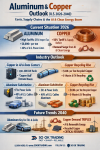
Analysts expect the global aluminum market to remain in a “tight balance” through the end of 2026. However, with new production from Indonesia, India, and full recovery in the Middle East, the market may shift into surplus in 2027.
Cost Drivers and Procurement Strategy
Raw Materials: Bauxite and alumina prices surged past $390/ton; carbon anode costs rose alongside oil prices and EU’s CBAM carbon tax.
New Logistics Routes: UAE developed the Fujairah East Coast Bypass to reduce Hormuz risks, with EGA rerouting over 250,000 tons via Gulftainer.
Strategic Procurement (Q1 2027):
Layered Hedging: Lock in prices at $3,000–$3,050/ton for base demand.
Long-Term Contracts: Reference LME 3M with fixed freight formulas to mitigate logistics premium volatility.
Conclusion
The Middle East remains the heartbeat of the global aluminum market. Despite supply shocks from geopolitical conflicts, recovery efforts by major producers and new logistics strategies are easing market tensions. By 2027, the industry may transition from shortage to surplus, reshaping both pricing and procurement strategies worldwide.
✨ FAST • SHARP • RELIABLE SO OK TRADING — The true force in Non-Ferrous Metals from Thailand www.sooktrading.com | Facebook: SO OK TRADING