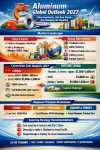
Aluminum Coil Global Outlook 2027: China Still Dominates, But the World Is Reshaping the Price Equation Toward Green Aluminum and Premium Conversion SO OK TRADING | 16 SEP 2026
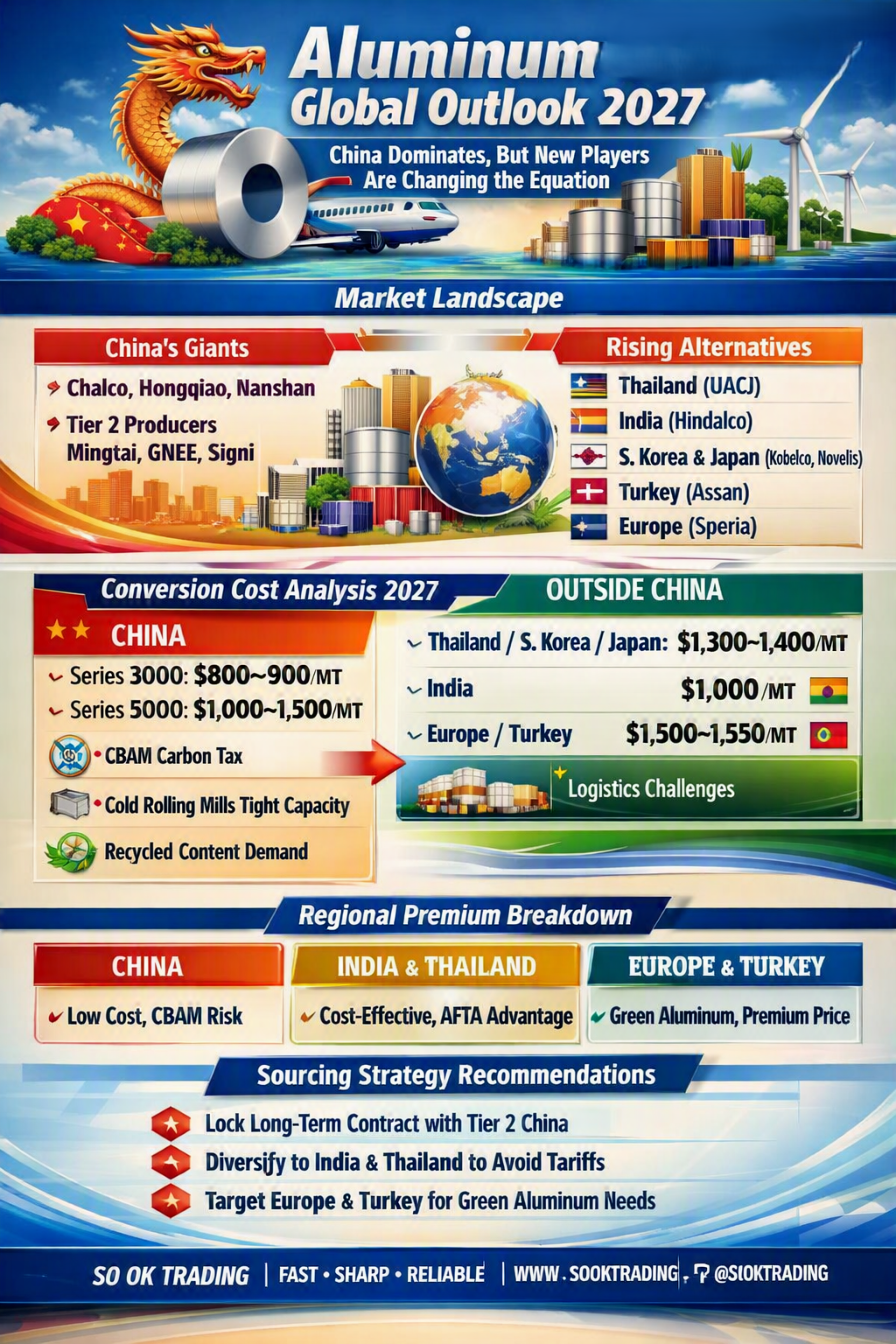
Aluminum Coil for Beverage and Food Packaging: Global Outlook 2027
By SO OK TRADING | 16 September 2026
✨ Introduction
The year 2027 will mark a turning point in the global aluminum coil market for beverage and food packaging. While China remains the largest producer and exporter, mounting pressures from Carbon Border Adjustment Mechanisms (CBAM), rising demand for recycled content, and expanding production capacity from competitors such as Thailand, India, Japan, Turkey, and Europe are reshaping the industry landscape like never before.
Global buyers are increasingly seeking new alternatives that balance cost, quality, and sustainability. ASEAN producers, particularly UACJ Thailand, stand out thanks to AFTA tariff advantages and Japanese-level manufacturing standards.
The aluminum packaging market is no longer just about “price.” It has evolved into a matter of sourcing strategy, requiring careful consideration of conversion costs, regional premiums (MJP / Rotterdam), and the growing trend of Green Aluminum, which is rapidly becoming the new global standard.
Key Market Players
China
Chalco, Hongqiao, Nanshan → Industry giants with integrated aluminum operations for packaging
Mingtai, GNEE, Huawei, Wancheng, Signi → Mid-tier producers specializing in Series 3000 & 5000
Outside China
Thailand (UACJ Thailand) → Japanese standards, AFTA tariff benefits
India (Hindalco) → Competitive pricing, large-scale capacity
South Korea / Japan (Novelis, Kobe Steel) → Advanced technology, premium food-grade aluminum
Turkey (Assan Alüminyum) → Low-carbon production, strong presence in Europe
Europe (Speira) → ECO-friendly, highest recycled content ratio
Conversion Cost Trends for 2027
China
Series 3000 → $800–900/MT (stable, longer lead times)
Series 5000 → $1,000–1,500/MT (expected +3–5% increase depending on specifications and energy costs)
Key Drivers
CBAM EU/UK → Higher energy costs and compliance requirements
Cold Rolling Mills capacity limits → Competition with battery foil production
Recycled Content Premium → Higher conversion costs for food safety grades
Outside China
Thailand (UACJ) → $900/MT + MJP Premium (~$400) ≈ $1,300/MT
Japan / South Korea (Kobelco, Novelis) → $900/MT + MJP Premium (~$400) + surcharge ≈ $1,300–1,400/MT
India (Hindalco) → $800–900/MT + premium ≈ $1,000/MT
Turkey (Assan) → $900/MT + Rotterdam Premium ≈ $1,400–1,450/MT
Europe (Speira) → $1,000–1,200/MT + Rotterdam Premium ≈ $1,500–1,550/MT
Market Outlook 2027
China → Maintains dominance but faces CBAM risks and rising conversion costs
Thailand / India → Emerging as key alternatives for tariff avoidance and risk diversification
South Korea / Japan → High quality but expensive, with limited supply capacity
Europe / Turkey → Strong in Green Aluminum and sustainability standards, but at premium prices
Conclusion
By 2027, the aluminum coil packaging market will be clearly divided:
China → Most flexible pricing, but high CBAM risk
Thailand / India → Competitive alternatives balancing cost and tariffs
South Korea / Japan → Premium quality, but limited supply
Europe / Turkey → Premium Green Aluminum for sustainability-focused brands
SO OK TRADING — FAST • SHARP • RELIABLE Your trusted partner in the aluminum packaging industry from Thailand
www.sooktrading.com Facebook: SO OK TRADING