“Global Metal Price Spread Strategy: Deep Dive into the Arbitrage Game from London to Shanghai” SO OK TRADING: September 14, 2026
ShFE–LME Arbitrage: Connecting Global Metal Markets
Arbitrage — A Price Spread Strategy Between the Global Market (LME) and China (ShFE)
In non-ferrous metals trading, understanding the “price spread” between the London Metal Exchange (LME) and the Shanghai Futures Exchange (ShFE) is crucial for risk management and unlocking profit opportunities worldwide.
Core Concept of Arbitrage: Buy metals at a lower price in one market and sell them at a higher price in another. When the spread exceeds import taxes and logistics costs, profit is realized — linking “global metal prices” directly with “China’s economy.”
⚙️ Mechanisms & Key Risks
Legging Risk → Different trading hours; ShFE has daily price limits
FX Risk → LME trades in USD, ShFE in RMB → requires currency hedging
Hidden Costs → VAT 13%, port premiums (Yangshan/Mulan), freight, warehousing
China Policy → High export tariffs, frequently changing VAT rebate system
Import Arbitrage (Buy LME / Sell ShFE)
Occurs when Chinese prices are significantly higher than global prices
Must account for 13% VAT, port premiums, freight, and financing costs
Works best during supply shortages or power rationing in China
⚪ Export Arbitrage (Buy ShFE / Sell LME)
Occurs when global prices surge due to supply tightness or geopolitical shocks
Limitation: China imposes a 15% export tariff on primary aluminum
Solution: Export semi-fabricated aluminum (sheets, coils, wires) to benefit from VAT rebates
Copper Arbitrage
Yangshan Copper Premium → Key indicator of real import demand
Copper is known as “Doctor Copper,” reflecting global economic health
Strategy: Buy LME → Import into China when ShFE prices are stronger
⚪ Aluminum Arbitrage
China is both the largest producer and consumer → ShFE prices driven by domestic supply
Export arbitrage possible via semi-fabricated products to bypass tariffs and gain VAT rebates
Unique Risks:
Power Rationing → Aluminum production is energy-intensive; restrictions can spike ShFE prices
Trade Barriers → EU CBAM, US Section 232 tariffs can collapse spreads overnight
Legging Risk → If ShFE hits daily limits while LME continues moving, hedging becomes impossible
Current Market Snapshot (September 2026)
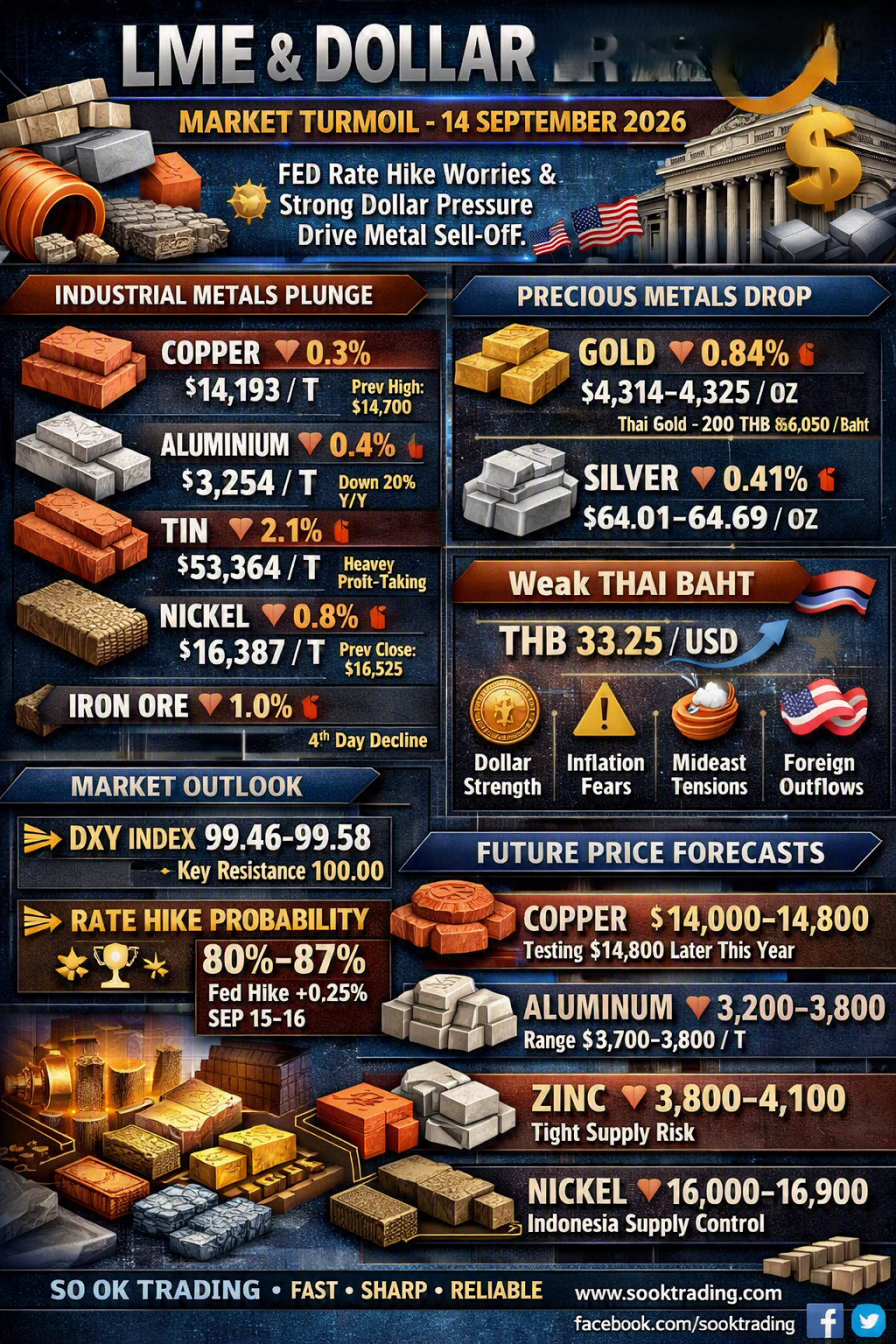
LME Aluminum (3M): $3,230 – $3,260/mt
ShFE Aluminum (2610): ~24,000 RMB/mt
USD/CNY: ~6.73
Spread Parity: Import cost > 25,000 RMB → higher than ShFE price → Import Arbitrage Loss
Practical Strategies
Physical import not viable (negative spread)
Suitable for Financial Spread Trades (Paper Arbitrage) → wait for spread expansion
Alternatives: Reverse Arbitrage (Short LME / Long ShFE) or export semi-fabricated aluminum to leverage VAT rebates
✨ Strategic Summary
Copper → More frequent arbitrage opportunities, Yangshan Premium as key guide
Aluminum → Physical arbitrage is harder; semi-fabricated exports and VAT rebates are essential
Current (Sept 2026) → Import arbitrage unprofitable; focus on paper arbitrage and reverse strategies, especially as China enters seasonal demand peaks
Easy Comparison
Copper Arbitrage = Like “buying luxury goods abroad and reselling in China” — demand is high and spreads occur often
Aluminum Arbitrage = Like “trading mass-produced goods in China” — harder to profit, requires semi-fabricated exports and tax incentives
SO OK TRADING
Your trusted partner in the global non-ferrous metals business FAST • SHARP • RELIABLE www.sooktrading.com Facebook: SO OK TRADING