Share

“Thai Agriculture Market 2026: Transforming into a High-Value & Tech-Driven Era — OUTLOOK Rising Stars and Future Trends 2030 by SO OK TRADING”
Last updated: 6 Sept 2026
1428 Views

Thai Agriculture Market 2026: Outlook and Trends of Thai Agricultural Products 2027–2030
Article by SO OK TRADING – 6 SEP 2026

✨ Introduction The year 2026 marks a crucial turning point for Thailand’s agricultural sector — shifting from “quantity production” to “value creation and innovation.” Agriculture is not only a major source of national income but also reflects Thailand’s adaptation to global trends in health, sustainability, and digital technology .

As global competition intensifies and environmental regulations tighten, Thai farmers must accelerate transformation through Agri-Tech, high-value agriculture, and online Fair Trade marketing to maintain competitiveness and unlock new global markets .

 
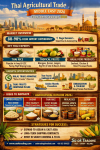
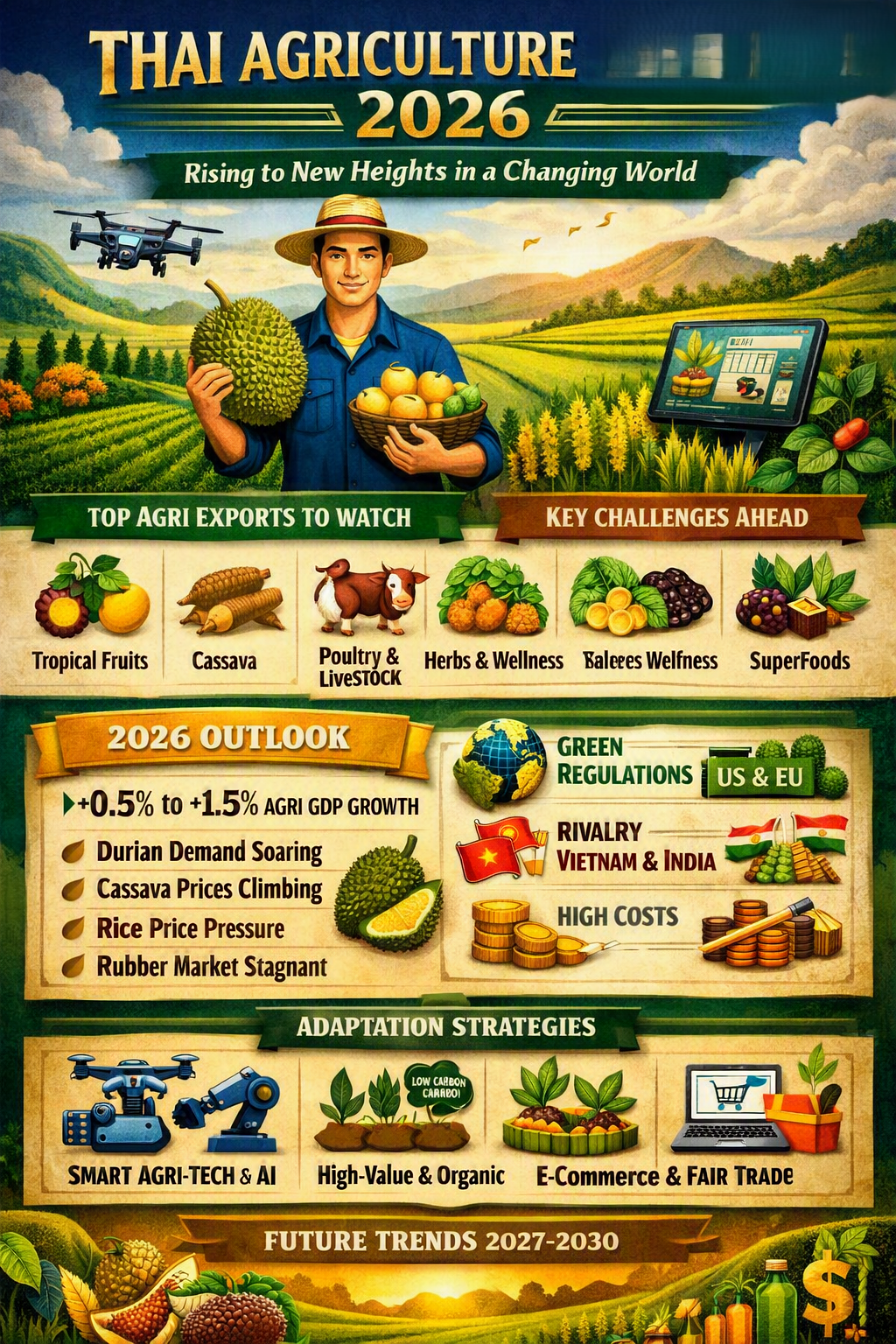
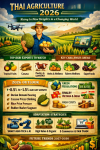
Rising Agricultural Products
Tropical Fruits: Durian, mangosteen, mango dominate Chinese and Asian markets
Cassava: A future crop linked to clean energy and animal feed
Poultry & Livestock: Supported by safe production standards
Herbs & Wellness Products: Fingerroot, ginger, galangal, and wellness products expanding rapidly
Superfoods & New Economic Crops: Wolffia, cacao, vanilla, avocado, hemp
 
⚠️ Challenges for Thai Agriculture
Green Protectionism: Strict low-carbon and traceability regulations in the US and EU
Competition from Vietnam & India: Lower production costs
High Production Costs: Fertilizers, chemicals, and energy
Market Liberalization (WTO 2026–2028): Imports of onions, potatoes, garlic, and coffee beans
 
Outlook and Price Trends
Agricultural GDP 2026: Expected growth of 0.5%–1.5% (“moderate growth”)
Tropical Fruits (Durian, Mangosteen): Prices remain high due to Chinese demand despite rising competition
Cassava: Prices supported by clean energy and feed industries, expected to rise further
Rice: Export prices pressured by India’s return to the market, intensifying competition
Rubber: Stable within 0–2% due to floods and EU’s EUDR regulations
Palm Oil & Energy Crops: Prices fluctuate with global energy markets
Herbs & Wellness Products: Strong growth, especially in Australia where demand exceeds 37%
 
Adaptation Strategies for Thai Agriculture
Agri-Tech: Use of AI, Big Data, and drones for production planning
High-Value Agriculture: Focus on organic, low-carbon farming and advanced processing
Online Marketing & Fair Trade: Promote farmer-to-consumer platforms to reshape market access
 
Looking Ahead 2027–2030
Thailand’s agriculture will fully enter the era of Decarbonization & Agri-Tech, driven by four major trends:

Low-Carbon Agricultural Products – Low-carbon rice, low-carbon shrimp
Alternative Proteins & Future Foods – Wolffia, plant-based milk
Regenerative Agriculture – Restoring soil and ecosystems
Agri-Tech Investment – Rising to 25–30% of agricultural GDP
 
✨ Conclusion Thailand’s agricultural market in 2026 is advancing into a new era that emphasizes “value and innovation” over “volume.” Transitioning to high-value agriculture and adopting technology will be the key to maintaining global competitiveness. Despite challenges from costs and environmental regulations, opportunities in health markets and future foods remain wide open.

 
SO OK TRADING : FAST SHARP RELIABLE Your trusted partner in the world of high-value agriculture WWW.SOOKTRADING.COM FACEBOOK : SO OK TRADING


Related Content
Thai Sugar Trend and Movement 2026-2027
The Thai sugar trend shows a recovery after drought impacts, with increased production and exports expected for 2024/2025 due to better rainfall, boosting overall value despite potentially lower prices. Key trends include a shift towards higher-value white sugar exports, focus on sustainability (ESG), new product development (low-calorie sugar), and technological innovation in utilizing byproducts like filter cake for energy or materials, all while adapting to health trends and global market shifts. Production & Supply: Drought Recovery: Severe droughts in previous years reduced production, but improved rainfall (especially La Niña conditions) is expected to significantly increase sugarcane volume and sugar output for 2024/2025. Increased Exports: Higher production means larger export volumes, particularly for white sugar, benefiting from strong regional demand and ASEAN trade benefits. Market Dynamics: Price Volatility: While global sugar prices have been volatile, Thailand benefits from its central Asian location and relatively low production costs. Domestic Consumption: The domestic market is also growing, supported by Thailand's economic recovery. Industry Focus & Innovation: Sustainability (ESG): Companies are prioritizing sustainable practices, reducing emissions, and ethical sourcing, including avoiding fire-affected cane. Health Trends: Development of low-calorie sugar and other health-conscious products is a key area for differentiation. Circular Economy: Focus on turning byproducts (like filter cake) into valuable resources for biogas, construction materials, or high-value products. Technological Advancement: Improving efficiency in processing and exploring new uses for sugarcane byproducts are growing trends. Challenges: Climate Change: Ongoing climate volatility remains a significant risk. Global Slowdown: Potential for slower global economic growth impacting export demand. In essence, Thailand's sugar industry is rebounding from climate setbacks, leveraging increased supply for exports while strategically focusing on sustainability, innovation, and higher-value products to navigate evolving consumer and market demands.
29 Dec 2025
“Opening the Middle Eastern Market: New Pathways & Trends for Thai Agricultural Products in 2026 — Rising Stars of Trade by SO OK TRADING”   15 August 2026
Golden Opportunities for Thai Agricultural Products in the Middle East: Rising Stars & Challenges in 2026 SO OK TRADING | 15 August 2026 In 2026, the Middle Eastern market remains a treasure trove of opportunities for Thai agricultural products. With 80–90% of food consumption dependent on imports due to limited arable land, the region’s demand for food security continues to surge, positioning Thailand as a key supplier. At the same time, geopolitical conflicts, regional instability, and strict sustainability standards have emerged as critical challenges, requiring Thai exporters to adapt quickly and strategically. This article explores: Thai agricultural products gaining strong momentum in Middle Eastern markets Key opportunities Thailand can leverage in 2026 Risk factors that demand close attention And the Outlook for five major agricultural products, reflecting the “Rising Stars & Declining Players” of this challenging year From tapioca pellets, now a rising star in Saudi Arabia, to sugar, which remains a staple across the region, and the shifting fortunes of Thai rice, molasses, and corn, each product faces unique opportunities and obstacles. SO OK TRADING stands ready as your trusted partner, helping you clearly identify market trends and build confident export strategies for 2026. SO OK TRADING — FAST • SHARP • RELIABLE
15 Aug 2026
HELLO FROM SO OK TRADING
NICE TO KNOW YOU ALL, WE ARE SO OK TRADING
12 Jun 2026
This website uses cookies for best user experience, to find out more you can go to our Privacy Policy and Cookies Policy
Powered By MakeWebEasy Logo MakeWebEasy