“Aluminum: The Hero of Modern Packaging — OUTLOOK 2027 Circular Economy Begins with the Aluminum Can” SO OK TRADING: August 12, 2026
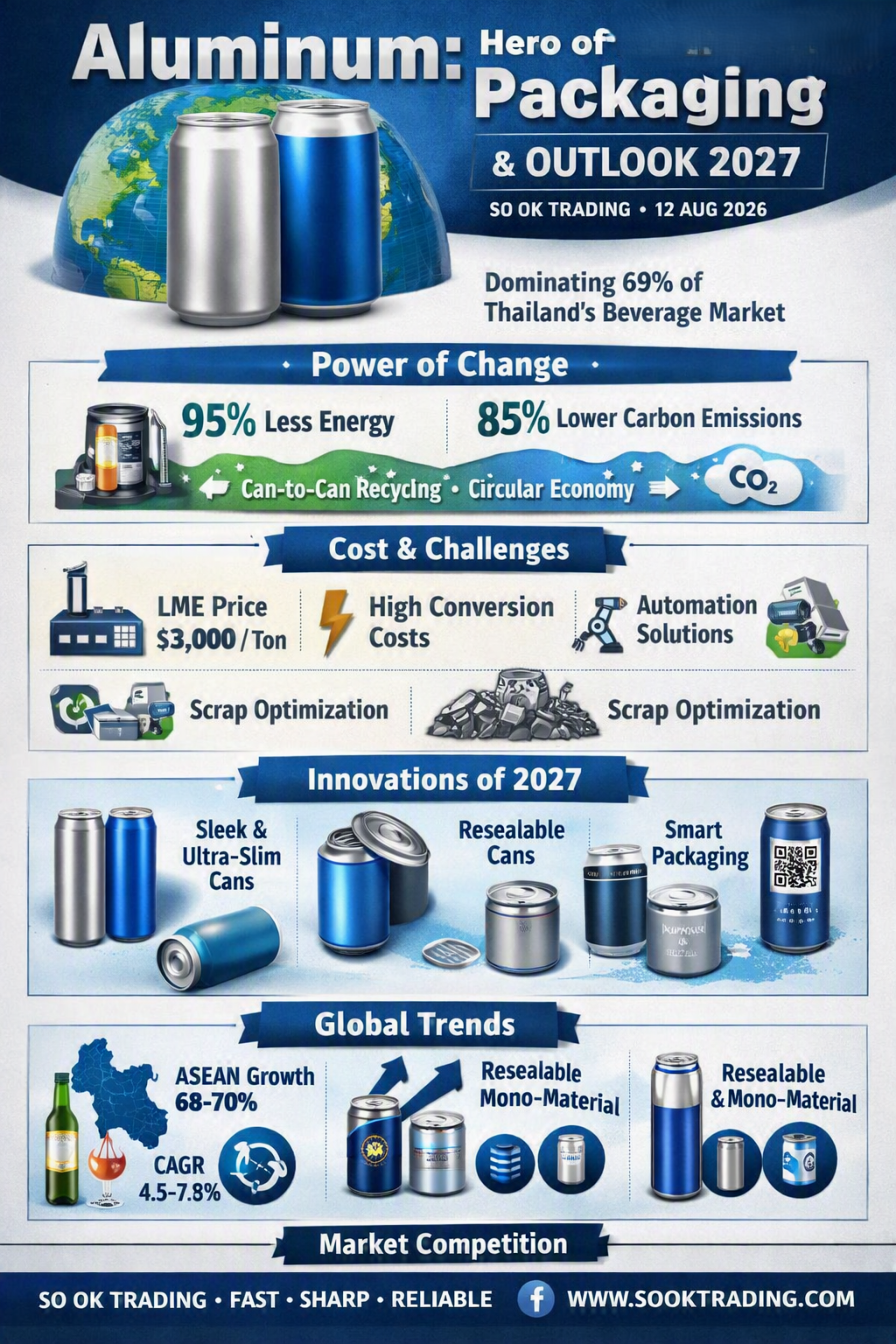
Aluminum: The Hero of Modern Packaging
OUTLOOK 2027 | SO OK TRADING | August 12, 2026
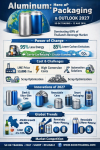
In 2027, the aluminum packaging industry is rising to prominence — not only for its beauty and convenience, but as a symbol of the Circular Economy driving the world toward sustainability. Aluminum cans already dominate more than 69% of Thailand’s beverage market and continue to expand across ASEAN.
The Power of Transformation
Aluminum is infinitely recyclable, reborn through “Can-to-Can” without losing quality. Recycling aluminum saves up to 95% of energy and reduces carbon emissions by more than 85%, making it superior to plastic and glass. It is becoming the cornerstone of a sustainable future.
⚙️ Costs and Challenges
Despite strong growth, manufacturers face cost pressures:
Global LME price surpassing $3,000/ton
Conversion costs driven by electricity and thermal energy
Automation and nanotech molds require high investment but cut long-term costs by up to 40%
Scrap optimization reduces carbon taxes and overall costs
✨ Game-Changing Innovations in 2027
Sleek & Ultra-Slim Cans: lightweight yet strong, ideal for functional and RTD beverages
Resealable Cans: open and close multiple times, perfect for on-the-go consumers
Mono-Material Design: eliminating plastic labels, printing directly on aluminum surfaces
Smart Packaging: cans that change color when chilled or embed QR codes
Profit Structure
Average wholesale price: 3.50 THB per can
Raw material cost: 1.70–1.95 THB
Conversion cost: 0.50–0.75 THB
Gross margin: 25–35%
Net margin: 10–15% Factories must produce 500–1,000 million cans annually to maintain margin stability.
Global Trendsetters
L.A. Libations: launched Re:Lid resealable twist cap
Monster Energy: adopted slide-style plastic-aluminum hybrid lid in Monster Import
Premium brands in US/EU: invested in CanReseal aluminum screw-cap technology
OUTLOOK 2027: The Future of Aluminum Packaging
Thailand: 69% beverage market share, with room to replace PET and glass
ASEAN: beverages as the growth engine, 68–70% share
CAGR: 4.5–7.85% growth (2026–2034)
Global direction: Resealable and Mono-Material cans surpass PET and Tinplate
Competing Packaging
Glass: limited to premium niches such as alcohol and perfume
Tinplate: strong in canned food but pressured by costs and coatings
TULC Technology: Japanese PET film coating, BPA-free, reduces water, chemicals, and CO₂
Conclusion
Aluminum packaging is becoming the new global standard in sustainability and innovation. With continued expansion in beverages and food, while glass and tinplate remain niche, TULC technology enhances efficiency and eco-performance. The industry is entering a new era balancing profit, convenience, and sustainability.
✨ SO OK TRADING — FAST • SHARP • RELIABLE