“Aluminum Game Changer 2026 – Reshaping the Global Metal Battlefield, The Turning Point of the Aluminum Era, The Metal Defining the Future: A7, A8, P1020, P0406” SO OK TRADING | May 22, 2026

Aluminum Game Changer 2026 – A7, A8, P1020, P0406
Reshaping the Global Aluminum Battlefield Breaking the Short Supply from the Middle East By SO OK TRADING | May 22, 2026
Aluminum is not just an ordinary metal — it is the backbone of global industry. From automobiles and aircraft to electrical wiring and packaging, aluminum plays a critical role. Primary aluminum, in particular, is widely traded on global markets such as the London Metal Exchange (LME) and serves as the benchmark reference for pricing worldwide.
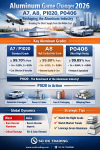
Key Grades and Properties
A7 / P1020 (≥ 99.70%)
Global standard grade
Impurities: Fe ≤ 0.20%, Si ≤ 0.10%
Highlight: Cost-effective, versatile
Applications: Automobiles, construction, cans, general wiring
A8 / P0610 (≥ 99.80%)
Higher purity, better electrical and thermal conductivity
Impurities: Fe ≤ 0.12%, Si ≤ 0.08%
Highlight: Easy to shape, superior conductivity
Applications: EC-grade wires, food/medical foil, special alloys
P0406 (≥ 99.85%)
Ultra-high-end, strict impurity control
Impurities: Fe ≤ 0.06%, Si ≤ 0.04%
Highlight: Premium quality, minimal loss
Applications: Undersea cables, capacitor foil, aerospace components
Insights:
A7/P1020 → Lowest cost
A8 → Balanced between quality and price
P0406 → Highest purity for specialized applications
P1020 – The Global Benchmark
P1020, also known as A7 aluminum, is primary aluminum with purity not less than 99.70%. It is the benchmark grade used as the price reference in all futures contracts on the LME and global markets.
Key Features:
High corrosion resistance → Suitable for outdoor and chemical environments
Excellent electrical and thermal conductivity → Ideal for high-voltage wires and energy systems
High malleability → Easy to draw, roll, or cast
Low strength in pure form → Often alloyed with other metals to enhance strength
Main Applications:
Alloy production (6000 and 7000 series)
Automotive and aerospace components
Electrical industry (high-voltage wires, cables, electronic parts)
Packaging and construction (foil, cans, window and door frames)
Market Forms:
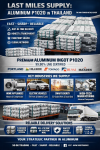
Ingots (15–25 kg) → Widely used, suitable for small and large furnaces
Sows (400–500 kg) → Cost-effective for large smelters
T-Bars → Convenient for forklift handling
Molten aluminum → Delivered directly in liquid form, reducing remelting costs (limited to short-distance transport)
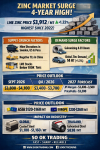
Global Market Dynamics – “Two Worlds, Two Directions”
West (US/EU/UK):
Bans on Russian aluminum (2024–2026)
LME stockpiles surged to 60% but remain “frozen”
Major companies avoid purchases (self-sanctioning)
East (China, Japan, ASEAN):
Became the main absorber of Russian aluminum, compensating for Middle Eastern supply shortages
China: Uses A7/A8/P1020 in EVs and solar panels
Japan & ASEAN: Rely on Russian supply for cost stability
Russia’s Strategy:
Discounted premiums (below market prices)
Promoting Green Aluminum produced with hydropower → low carbon, ESG-compliant
Strategic Takeaways for Aluminum Users
Choose the right grade:
General use → A7/P1020
Electrical/foil → A8
Electronics/aerospace → P0406
Monitor global supply trends:
West → Seek alternative sources beyond the Middle East
East → Leverage discounted premiums
Use ESG as a competitive edge:
Russian Green Aluminum remains a strong selling point
✨ Conclusion: Pure aluminum is not just a metal — it is a global competitive strategy shaped by international standards and geopolitics. For producers and buyers, understanding the differences between A7, A8, P1020, and P0406, while tracking global market dynamics, ensures smarter choices, stronger competitiveness, and leadership in the aluminum battlefield of 2026.
SO OK TRADING Your trusted business partner FAST • SHARP • RELIABLE www.sooktrading.com SOOKTRADING@OUTLOOK.COM Facebook: SO OK TRADING