“Aluminum: The New Hero of Global Packaging — Transforming the Game with Circular Economy, Infinite Recycling, and Entering the Golden Era Beyond the Plastic Crisis” : SO OK TRADING : April 26, 2026
✨ Aluminum – The Future Material of Global Packaging : SO OK TRADING : April 26, 2026 ✨
Imagine the soda can in your hand… light, convenient, and refreshingly cold. Behind it lies the story of aluminum — a material that not only meets practical needs but also represents a major transformation in the packaging world of 2026.
The Beginning: From Ordinary Metal to Eco-Hero
Aluminum is not just a metal, but an infinitely recyclable material. It can be recycled endlessly without losing quality. A single recycling cycle saves up to 95% of the energy compared to producing new aluminum from bauxite. This is why global brands are shifting from plastic and steel to aluminum cans.
Two Main Forms of Aluminum Packaging
Rigid Packaging: Beverage cans, aluminum bottles, and sprays — durable under pressure and the most recycled packaging worldwide. Flexible Packaging: Food foils, laminated pouches, and blister packs — designed to save material and prevent contamination.
Key Advantages Driving Aluminum Packaging Growth
Easy to manufacture
Superior barrier protection: blocks light, oxygen, moisture, and bacteria
Heat resistant: suitable for ovens and microwaves
Lightweight: reduces transport costs and emissions
Premium image: attractive printing enhances brand identity
Circular Economy: endlessly recyclable, aligned with eco-trends and the modern green economy
Aluminum Market Outlook 2026
Global
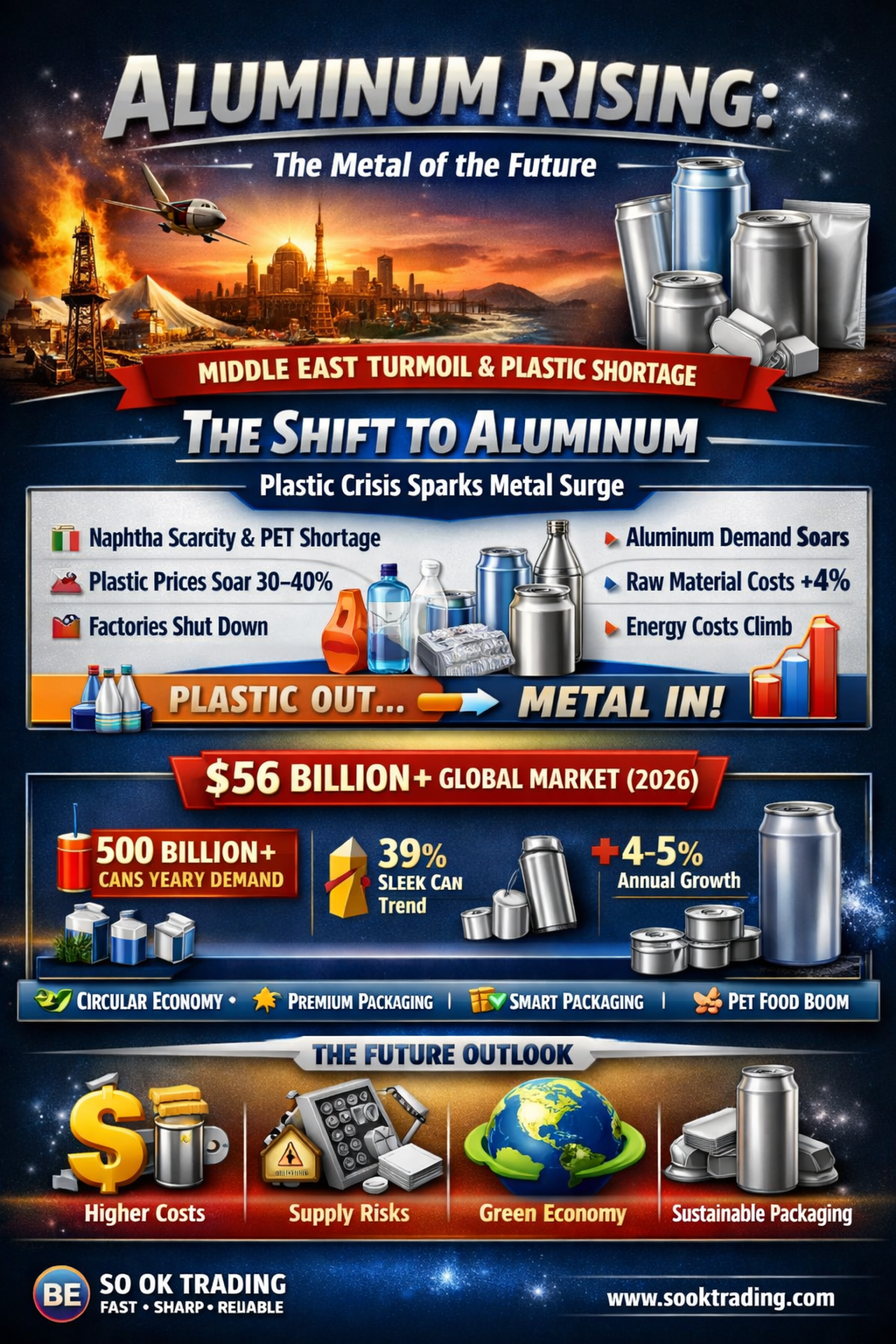
Aluminum can market value reaches USD 55.6–56.7 billion
Average annual growth of 4–5% until 2025
Sleek & Slim Can trend dominates over 39% of the market
Smart Packaging and Circular Economy are key drivers
Thailand
Metal market growth only 0.1–1.4% due to fragile economy
Health drinks and functional beverages continue to grow 4–5%
Thai producers launch high-speed canning lines with capacity of 7 billion cans per year
Pet food cans are the “rising star,” growing 8–10% annually
Aluminum Packaging: Human Food vs Pet Food
Pet Food: Owners willing to pay for quality. Small cans, easy-open, premium look. Thailand becomes the global kitchen for pet food exports to the U.S., Japan, and Europe. Human Food: Focus on health and convenience. Ready-to-eat meals, lightweight cans, and non-toxic coating technology.
Cost Comparison: Aluminum vs Steel
Aluminum is 15–30% more expensive but lighter, reduces transport costs, and has high scrap value
Steel suits foods requiring high-temperature sterilization but faces future carbon tax risks
Aluminum Rising: Plastic Crisis Opens the Door
In 2026, the global packaging industry faces a turning point. The Middle East war and closure of the Strait of Hormuz caused shortages of naphtha, the key feedstock for plastics. Prices surged 30–40%, petrochemical plants halted production, and plastic — once the “hero” of packaging — became scarce.
Amid this crisis, aluminum emerged as the alternative. Yet rising demand strained supply, raw material prices increased by 4%, and energy costs for smelting added complexity.
Plastic Shortage – Aluminum Under Pressure
Plastic: Scarcity forces brands worldwide to seek substitutes
Aluminum: Becomes the “necessary hero,” but demand surge drives up prices and energy costs
Domino Effect: Food, beverage, and pharmaceutical industries must adapt quickly to survive
✨ Aluminum is not just packaging, but a symbol of sustainability and innovation. 2026 marks the year aluminum becomes the star of global packaging.
Thailand: Pet food is the main growth driver
Global: Beverages and eco-trends push the market forward
Plastic crisis accelerates the shift to aluminum
SO OK TRADING : Your Trusted Business Partner SO OK TRADING : FAST SHARP RELIABLE www.sooktrading.com Facebook : SO OK TRADING