Share

“RDF/SRF: From Waste to Clean Energy — The Path to Net Zero, Circular Economy, and Business Value Creation” Article by SO OK TRADING : March 22, 2026
Last updated: 22 Mar 2026
289 Views

“Waste-to-Energy: The Key to a Cleaner World, Circular Economy, and Future Investment Opportunities”

Article by SO OK TRADING : March 22, 2026


Global Clean Energy Trends

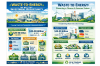
The world is facing major challenges—energy crises, climate change, and overflowing waste. All of these stem from excessive reliance on fossil fuels. Yet within every crisis lies opportunity, and that opportunity is renewable energy and waste-derived fuels (RDF/SRF), which are reshaping the global economy.

Solar as the star: By 2024–2025, solar power is expected to meet nearly half of new global electricity demand.
Electrification leads the transition: EVs and industrial electrification are driving energy demand.
Battery Energy Storage Systems (BESS): Massive investments are underway to balance the intermittency of wind and solar.
 

Trends in Thailand

Ambitious targets: Increase clean energy share to 51% by 2037 and 74% by 2050, aiming for Net Zero.
Solar is the cheapest: Costs have dropped, making solar the most competitive power source.
Liberalized electricity market: Private companies can trade electricity directly, boosting rooftop solar adoption.
New innovations: Floating solar in reservoirs and pumped-storage hydropower.
EV boom: More than 800 charging stations nationwide.
 

⚡ RDF/SRF: From Waste to Power

Instead of landfilling waste, we can transform it into energy!

Waste-to-Energy plants: RDF is combusted to produce steam, drive turbines, and generate electricity—simultaneously managing waste and producing power.
Combined Heat and Power (CHP): In Europe and South Korea, RDF/SRF is used to supply both electricity and district heating.
Thailand’s potential: Targeting ~500 MW of total capacity by 2036.
 

Market Size and Growth (CAGR)

The waste fuel market is shifting from “disposal” to “value creation.”

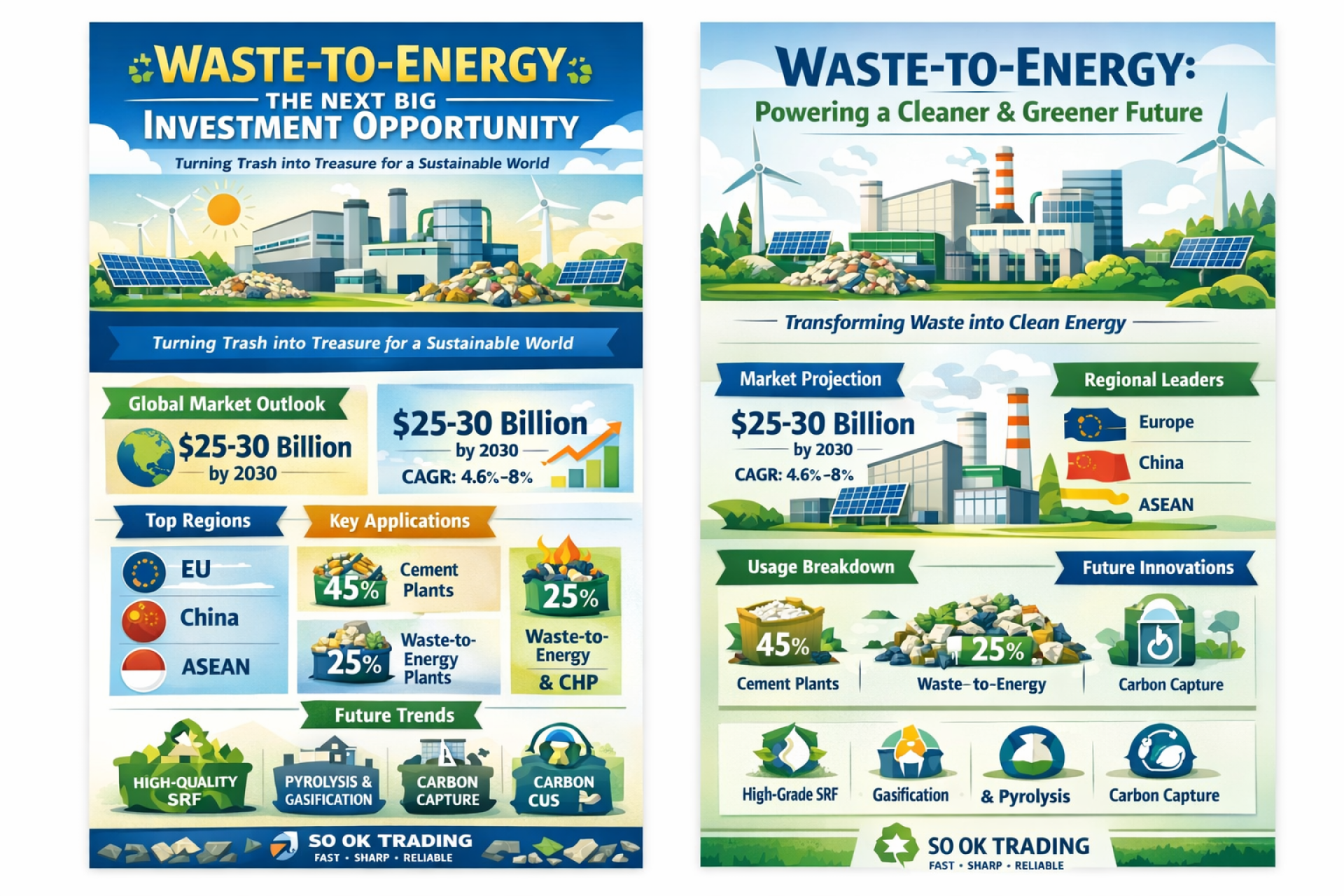
Global market: Projected to reach USD 25–30 billion by 2030.
Global CAGR: ~4.6%–8% (2024–2030).
Europe (EU): ~35% market share, driven by Zero Waste policies and high-quality SRF (CAGR ~4–5%).
China: Largest market, valued at ~USD 7.01 billion, growing at ~8.94%.
ASEAN: Fastest-growing region, valued at ~USD 3.68–4.22 billion, CAGR ~12.79%.
Thailand: Average growth ~5–6% per year, with ~0.4 million tons of RDF used annually in cement plants.
 

Key Application Sectors

Cement plants: Largest users (~45% globally), high-temperature kilns ensure complete combustion and immediate CO₂ reduction.
Waste-to-Energy plants: ~25%, focusing on municipal waste disposal and electricity generation.
CHP systems: ~15%, popular in Europe and South Korea.
Other industries: ~15%, including paper mills, lime plants, and industrial boilers.
 

Future Directions

From RDF to SRF: High-quality waste fuels with stable calorific value, ideal for heavy industries.
New technologies: Gasification and Pyrolysis to convert waste into clean gas and oil.
Carbon Capture (CCUS): Next-generation waste-to-energy plants are beginning to capture CO₂, making waste energy “carbon negative.”
 

Conclusion

RDF and SRF are not just about waste disposal—they are about creating energy, creating value, and creating a sustainable future. They meet the demands of Carbon Credits, Clean Energy, and CBAM, while reducing reliance on coal and fossil fuels.

Thailand and ASEAN are at a critical turning point—those who act first will gain advantages in economics, environment, and brand reputation.

Circular Economy and Net Zero begin with waste recycling and the industrial application of RDF/SRF.


SO OK TRADING : FAST • SHARP • RELIABLE

SO OK TRADING : Your Business Partner

VISIT US AT : WWW.SOOKTRADING.COM

If you are interested in green fuels and biofuels such as Wood Pellet, Wood Chip, Saw Dust, PKS Charcoal, Coconut Shell Charcoal, please contact us via the Give Inquiry section on our website or email us directly at sooktrading@outlook.com.

Thank you very much!

Related Content
“2026: The Year of Transition to a Green Economy and Smart Agriculture — Green Energy is Survival, Agriculture is Prosperity. Thailand is ready to conquer global markets with Wood Pellets, Cassava, and Durian, the rising stars the world demands.”
Thailand’s Industry Trends in 2026 Thailand’s industries are shifting from “producing more” to “producing in line with global trends.” Businesses that adapt to clean energy and bio-agriculture will gain significant advantages in both exports and access to funding.
3 Mar 2026
“Silver Supercycle 2026 – From War to Clean Energy, The Precious Metal Driving the Future” Price Trends · Market Outlook · Silver’s Strategic Path : A Special Report by SO OK TRADING
Silver Supercycle 2026 – A Global Wave of Opportunity In a year marked by geopolitical tensions and the global transition toward clean energy, silver has emerged as the most sought-after asset for both investors and industries.
5 Mar 2026
Renewable Energy from Waste to Value (Green Energy) กะลามะพร้าวจากเศษขยะไม่มีค่าสู่ พลังงานชีวภาพ ช่วยลดภาระ มลภาวะสิ่งแวดล้อม
ถ่านกะลามะพร้าว จากมะพร้าว ที่หลายคนใช้ในการผลิตหลายๆอย่าง ไม่ว่าเนื้อมะพร้าวทำเป็นน้ำมันมะพร้าว เป็นกะทิ ใยก็นำไปทำเตียงนอน น้ำมะพร้าวก็แสนอร่อย เนื้อมพร้าวก็นำมาทำขนม กะลามะพร้าวนำไปผลิตเป็นกระบวย ตักน้ำดื่ม คุณประโยชน์จากกะลามพร้าวเป็นที่รู้ จักกันมาอย่างแพร่หลาย แทบบอกได้เลยว่าทุกส่วนของกะลามะพร้าว สามารถที่ จะนำมาใช้ประโยชน์ได้เสมอ - แนวความคิดของเราจะในมาใช้ในส่วนผลิตเป็นพลังงานทดแทน ในอนาคตซึ่งถ่าน จะขาดแคลนเนื่องจากป่าไม้มีจำนวนน้อยลงไปทุกที เรามาดูกันนะครับว่าเราจะผลิต ถ่าน จากกะลามะพร้าวกันได้อย่างไร ?? - เปลือกที่เราทำเป็นถ่านกันบ้าง ทำจากเศษกะลาที่เหลือจากโรงงานอุตสาหกรรม หลากหลายแห่ง ไม่ว่าจะเป็น โรงงานทำกระทิสำเร็จรูป โรงงานผลิตกระทิส่ง ตลาดสด แม้แต่โรงงานผลิตวุ้นมะพร้าว เศษกะลาจำนวนมากนี้ก่อปัญหาให้ทาง โรงงานเป็นอย่างมาก เนื่องจากมีปริมาณมาก ไม่มีที่ทิ้ง หรือจัดเก็บเพื่อการทำลาย , การใช้กะลามะพร้าวมาเผาทำเป็นแหล่งพลังงานจัดว่าเป็นการลดมลภาวะช่วยโลก และ ก่อให้เกิดเศรษฐกิจหมุนเวียน (Green / Circular Economy) - กะลามะพร้าวที่ผ่านการเผาด้วยความร้อนสูง จากนั้นนำกะลาที่ได้ไปผ่านตะแกรง ร่อนให้เหลือเพียงแต่ชิ้นกะลาล้วนๆ เพื่อให้ได้ชิ้นกะลามะพร้าวที่มีคุณภาพสำหรับ ผลิตถ่านกะลาคุณภาพดี : เป็นรูปชิ้นกะลามะพร้าวที่ผ่านการเผาเป็นเรียบร้อยแล้ว และผ่านการร่อนจนเหลือเพียงแต่ชิ้นกะลาเท (จากกะลา 100% หลังจากที่ผ่านการเผาแล้วจะเหลือถ่านกะลาเพียงแค่ 20% เท่านั้น) - วัตถุดิบถ่านกะลามะพร้าว นำมาผ่านเครื่องบด เครื่องอัด โดยพิจารณาส่วนผสม ที่เหมาะสมเพื่อให้ได้สินค้าถ่านอัดแท่งที่มีคุณภาพมากที่สุด เพื่อให้ได้ถ่านอัดแท่งที่มีคุณภาพพร้อมที่จะส่งออกไปสู่ต่างประเทศ ให้สินค้าไทย ก้าวไปให้ไกลยังต่างประเทศไห้ได้มากที่สุด - หลังจากที่ผ่านเครื่องอัดกำลังสูงออกมาแล้ว สินค้าที่ไ้ด้ ทางเราต้องนำสินค้าถ่านอัดแท่ง เข้าเตาอบ เพื่อลดความชื้นภายในเนื้อถ่าน เพื่อให้ถ่านที่ส่งเข้าสู่ตลาดมีคุณภาพดีที่สุด ค่าความร้อนสูง ค่าความชื้นน้อยที่สุด เตาอบถ่านเราใช้เวลาอบนานถึง 3 วันเพื่อใ้้ห้ความชื้นในเนื้อถ่านน้อยที่สุด - ถ่านที่นำออกมาจากเตาอบ ที่ใช้เวลาอบนานมากถึง 3 วันเพื่อให้แน่ใจว่า ภายในเนื้อถ่านอัดแท่งจากกะลามะพร้าวจะมีความชื้นน้อยที่สุดเท่าที่จะเป็นไปได้ - หลังจากที่ถ่านไม่มีความร้อน ไม่มีความชื้นเรียบร้อยแล้ว ทางเราจะตัดแท่งก้อน ถ่านให้ได้ตามขนาดตามที่ลูกค้าสั่งมา ส่วนการบรรจุขึ้นอยู่กับลูกค้าว่าต้องการการ บรรจุแบบได ขนาดความยาวเท่าไร ซึ่งเป็นไปตามลูกค้าสั่งเสมอ และนำลงบรรจุเพื่อทำการส่งมอบ ให้ลูกค้าต่อไป - การขนส่งสินค้า ส่งมอบให้ลูกค้าที่ท่าเรือ เพื่อที่จะบรรจุเข้าตู้คอนเทรนเนอร์ ตามวันที่ลูกค้ากำหนด นะครับ เราจะขนส่งโดยใช้รถสิบล้อ ขนส่งจากโรงงาน ไปเข้าตู้สินค้าที่ท่าเรือกรุงเทพ หรือจุดนัดพบลูกค้า ตามแต่ลูกค้าได้สั่งนะครับ เราคำนึงถึงเวลาในการส่งสินค้าให้กับลูกค้าเสมอครับ ข ขั้นตอนการบรรจุสินค้าเข้าตู้ ก็เป็นอีกขั้นตอนหนึ่งที่เราให้ความสำคัญไม่แพ้กัน เนื่องจากว่าเราเข้าใจลูกค้าว่าต้องการบรรจุลงตู้ให้ได้มากที่สุด ทางเราจะจัดเรียงให้ แน่นที่สุดเพื่อให้บรรจุสินค้าเข้าตู้ได้มากที่สุดด้วย -ทุกขั้นตอนตั้งแต่เรื่องวัตถุดิบจนถึงการขนส่งไปถึงมือลูกค้าเป็นสิ่งที่ทาง SO OK TRADING เราให้ความสำคัญเสมอมา --------- Product Testing Specification Moisture = 6.4% Volatile Matter = 17.2% (18.4% at moisture free basis) Fixed Carbon = 73% (78.0% at moisture free basis) Ash = 3.4% (3.6% at moisture free basis) Sulfur = 0.0% (0.0% at moisture free basis) Heating Value = 6,870 kcal/kg. (7,340 kcal/kg at moisture free basis) Density = 970 kg/m3 High Quality Pure Coconut CHARCOAL Testing Specification Moisture = 7.1%-7.8% Volatile Matter = 13.0%-13.5% Fixed Carbon = 81.0%-83.0% Ash = 3.7%-7.7% Sulfur = 0.0% Heating Value = 7,100-7,300 kcal/kg Density = N/A
24 Nov 2025
This website uses cookies for best user experience, to find out more you can go to our Privacy Policy and Cookies Policy
Compare product
0/4
Remove all
Compare
Powered By MakeWebEasy Logo MakeWebEasy