"USA–Israel–Iran War Pushes Oil Prices Higher, Metals Shock Global Markets: March – Q2/2026 Market Analysis by SO OK TRADING” March 16, 2026
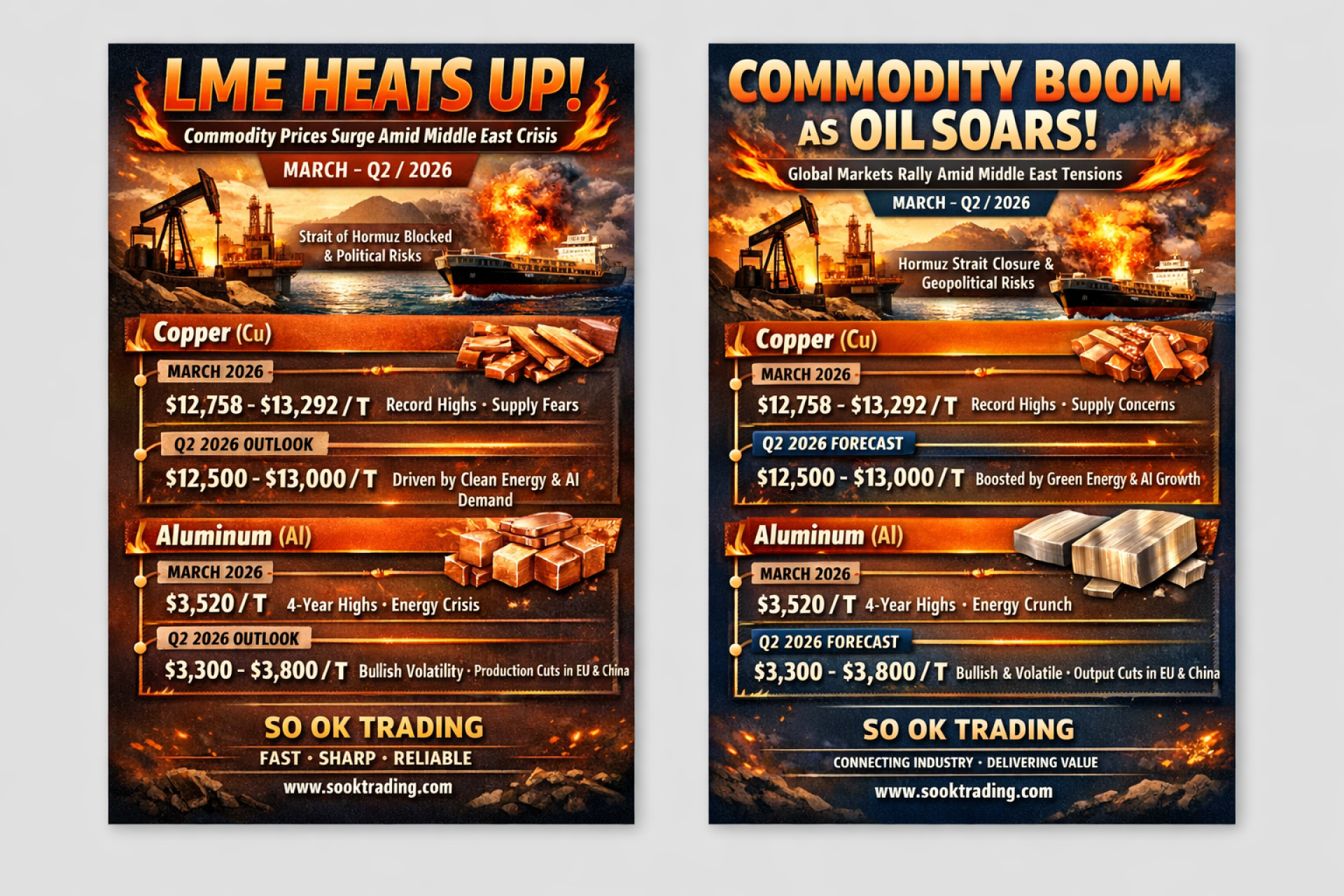
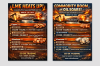
LME on Fire, Commodities Surge with Rising Oil Prices: Global Market Outlook March – Q2/2026
Middle East Crisis • Hormuz Strait Closure • Political Risk
By SO OK TRADING • March 16, 2026
The year 2026 is shaping up to be one of the hottest years for global metals and energy markets in recent history. Prices are soaring and swinging wildly, driven by the Middle East crisis and the revival of technology industries—especially AI and clean energy. Businesses must closely monitor every move in this volatile environment.
Industrial Metals (LME)
Copper
March: Surged to $12,758 – $13,292/ton, an all-time high, amid global mine supply concerns.
Q2/2026: Deutsche Bank and J.P. Morgan forecast $12,500 – $13,000/ton, supported by clean energy infrastructure and AI demand.
Aluminum
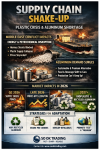
March: Climbed to $3,520/ton, the highest in four years.
Q2/2026: Expected to remain in the $3,300 – $3,800/ton range, showing “Bullish Volatility.”
Key Drivers:
Global energy crisis threatens European smelter output.
China enforces a 45 million ton production cap to curb pollution.
Rising demand from EVs and renewable energy projects.
Nickel
Latest price: $17,340/ton, pressured by rising LME stocks (160,000 → 250,000 tons).
Indonesia maintains high production despite attempts to cut output.
Iron Ore
Bearish outlook due to weak Chinese demand and new supply from the Simandou project.
Prices may fall below 2019 levels by 2026–2027.
Precious Metals
Gold
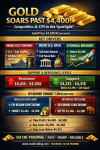
March: Jumped to $5,200 – $5,400/oz on safe-haven demand.
Q2/2026: Likely to climb further as central banks expand reserves.
Silver
Traded at $79.57 – $80.47/oz, with higher volatility than gold.
Outlook: Rising alongside gold, supported by industrial demand.
⛽ Energy
Brent Crude
March: Spiked to $104 – $110/barrel following attacks on Iranian facilities and Hormuz Strait risks.
Q2/2026: Expected to average $91/barrel, though oversupply may return later in the year.
WTI Crude
Hovered near $99 – $100/barrel, supported by geopolitical risks.
Impact of Middle East Crisis on Commodities
Oil: Most severely hit by supply shock → Potential to break $120/barrel.
Gold: Strong safe-haven demand → $5,000/oz floor.
Silver: Tracks gold but more volatile → $80–90/oz range.
Tin & Copper: Indirectly impacted by surging freight costs.
Strategic Insights
Energy Costs are Key: Aluminum is often called “frozen electricity” due to its massive power needs. Rising oil/gas prices will keep aluminum costs high.
China Sets the Rules: Production caps and clean energy policies are decisive market factors.
Mega Trends: EVs, AI, and renewable energy are long-term demand drivers.
Risks: A severe global economic slowdown from war could erase demand, though current pressures stem more from supply shortages.
✨ Conclusion
2026 is a year of “Bullish Volatility”—prices are surging but remain highly unstable. Metals and energy markets have become the stage for proactive strategies. Businesses must track energy prices and Chinese policies closely to seize opportunities and mitigate risks. The Middle East war and Hormuz Strait closure are delivering severe shocks to global supply.
SO OK TRADING – FAST • SHARP • RELIABLE
Your trusted business partner connecting high-quality suppliers with industrial users worldwide.
Visit: www.sooktrading.com
Contact: sooktrading@outlook.com