Nickel: The Strategic Metal of the Clean Energy Future — An Article by SO OK TRADING
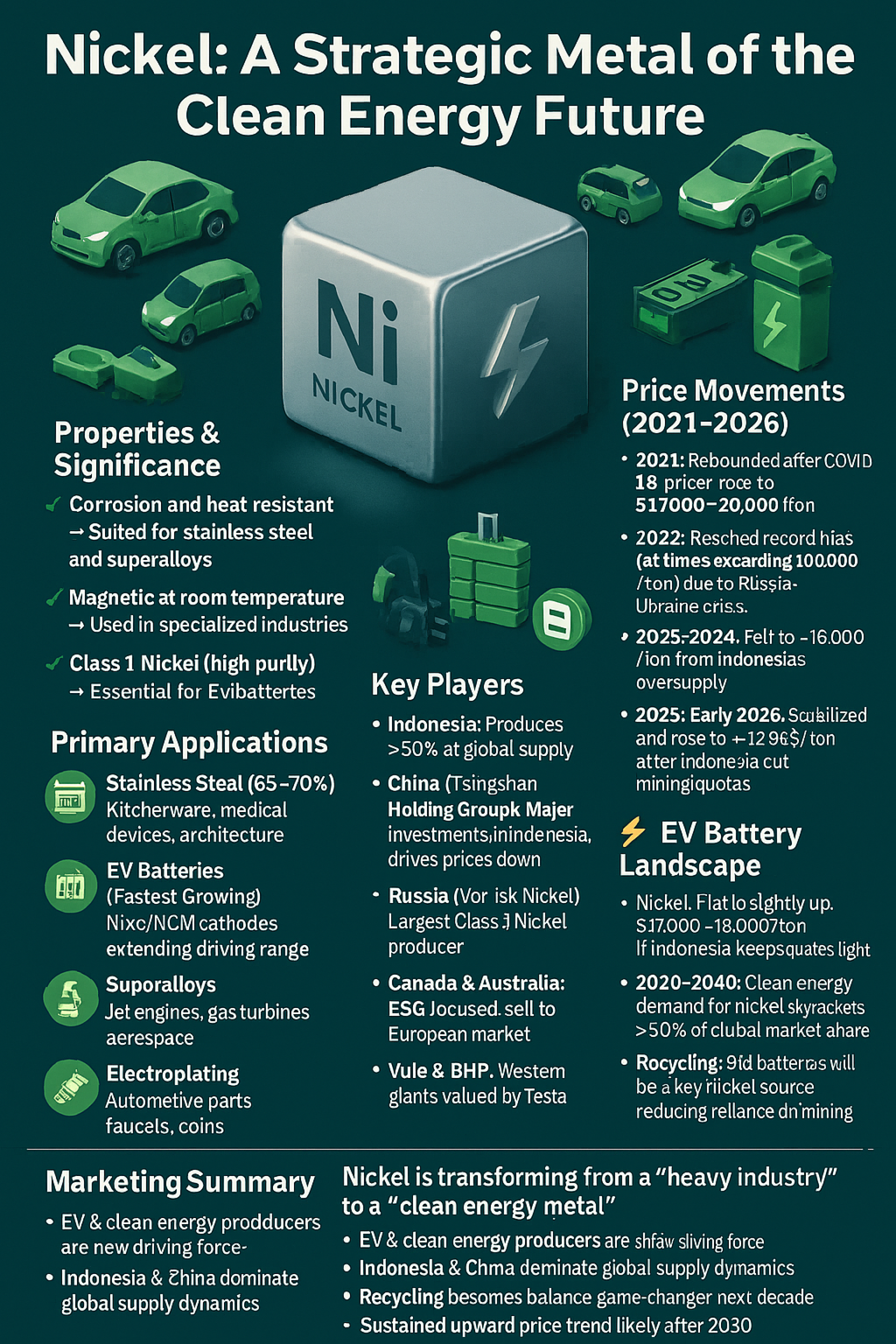
Nickel: The Strategic Metal of the Clean Energy Future ⚡
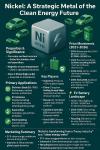
Nickel (Ni) is shifting its role from a traditional heavy industry metal to the core of the clean energy transition. Especially in electric vehicles (EVs) and energy storage systems (ESS), nickel will shape the global economy over the next 10–20 years.
Properties & Significance
Corrosion and heat resistant → Ideal for stainless steel and superalloys
Magnetic at room temperature → Used in specialized industries
Class 1 Nickel (high purity) → Essential raw material for EV batteries
Price Movements (2021–2026)
2021: Post-COVID recovery, prices rose to $17,000–20,000/ton
2022: Historic spike (at times exceeding $100,000/ton) due to Russia–Ukraine crisis
2023–2024: Fell to ~$16,000/ton from Indonesia’s oversupply
2025–Early 2026: Stabilized and rebounded to ~$17,963/ton after Indonesia cut mining quotas
Primary Applications
Stainless Steel (65–70%): Kitchenware, medical devices, architectural structures
EV Batteries (fastest-growing): NMC/NCM cathodes, extending driving range
Superalloys: Jet engines, gas turbines, aerospace industry
Electroplating: Automotive parts, faucets, coins
Chemical Industry: Catalysts in oil refining and chemical processes
Major Players
Indonesia: Produces >50% of global supply
China (Tsingshan Holding Group): Massive investments in Indonesia, driving prices down
Russia (Norilsk Nickel): Largest Class 1 Nickel producer
Canada & Australia: ESG-focused, supplying European markets
Vale & BHP: Western giants valued by Tesla
⚡ EV Battery Battlefield
Nickel-based (NCM/NCA): Range >500 km, suited for luxury and high-performance vehicles
LFP (Lithium Iron Phosphate): Cheaper, safer, ideal for city cars and ESS
Recycling: Old batteries will become a key nickel source in the future
Price & Market Outlook
2026: Stable to slightly upward ($17,000–19,000/ton) if Indonesia maintains strict quotas
2030–2040: Clean energy demand expected to exceed 50% of global nickel consumption
Battery Recycling: Emerging as a new supply source, reducing reliance on mining
Marketing Summary
Nickel is evolving from a “heavy industry metal” to a “clean energy metal”.
EV and clean energy producers are the new driving force
Indonesia and China dominate global supply dynamics
Recycling will rebalance the market in the next decade
Sustained upward price trend expected after 2030
About SO OK TRADING
In this strategic metal battleground, SO OK TRADING is committed to bridging premium Thai non-ferrous metal producers with global markets. With expertise in non-ferrous metals and clean energy, we are your trusted business partner.
For Nickel inquiries:
Visit www.sooktrading.com → Click “Give Inquiry”
Or contact us directly via email: sooktrading@outlook.com