Share

Wood Pellet: Turning “Sawdust” into “Profit”! Compressed biomass fuel – the new alternative energy every factory in 2026 must have. Step into the Net Zero era together! Wood Pellet is a clean biomass fuel that helps reduce your company’s Carbon Footprint
Last updated: 14 Feb 2026
261 Views

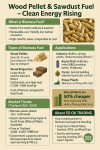
Sawdust Fuel and Wood Pellets: The Clean Energy on the Rise

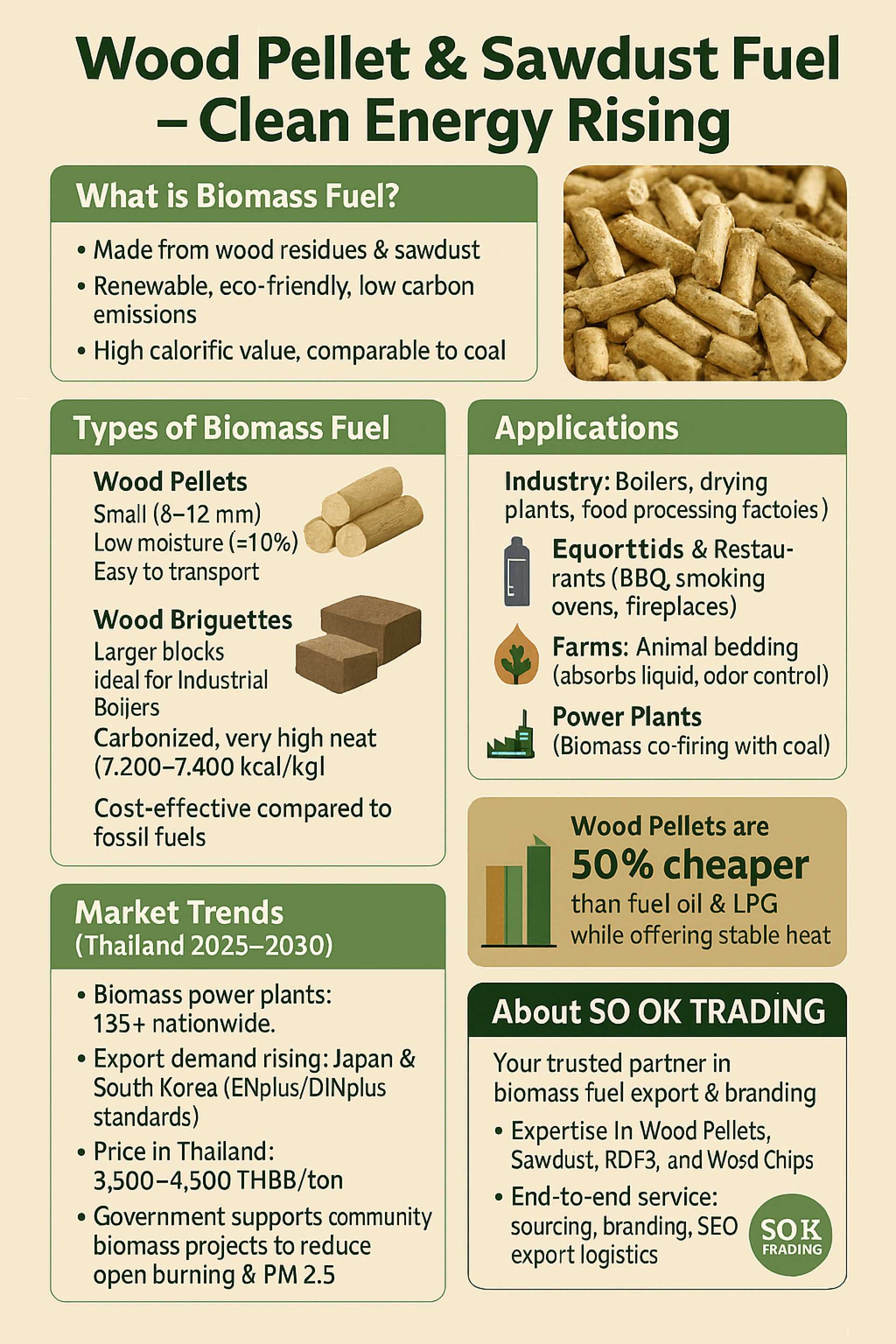
Sawdust fuel and Wood Pellets are rapidly becoming the “rising stars” of clean energy in Thailand and worldwide. No longer just leftover scraps from sawmills, they have been elevated into standardized biomass fuels that are easy to use, environmentally friendly, and economically efficient.


Types of Sawdust Fuel

Wood Pellets: Small (6–12 mm), low moisture, high density, easy to transport
Wood Briquettes: Larger blocks, suitable for industrial furnaces
Charcoal Briquettes (from sawdust): Carbonized, delivering very high heat (7,200–7,400 kcal/kg), smokeless
Key Benefits: High calorific value, complete combustion, reduced carbon emissions and PM2.5, easy handling, and added value to waste materials.


Applications in Thailand

Biomass power plants: Over 135 nationwide use sawdust and wood residues as primary fuel
Factories: Animal feed plants and fruit processing factories use boilers powered by Wood Pellets to cut costs
Restaurants: Charcoal briquettes from sawdust are popular in BBQ restaurants for their high heat and low smoke
Households and farms: Used in smoking stoves and as absorbent bedding for animals
 

Trends for 2025–2030

Transition from raw biomass to pelletization for better quality control
Large industries shifting to biomass to avoid carbon border taxes (CBAM) and adopting co-firing with coal
Rising competition for raw materials: sawdust and rice husks are in high demand, especially from Japan and South Korea
Government support for community power plants and pelletizing agricultural waste to reduce open burning and PM2.5
 

Cost and Calorific Value Comparison

Sawdust/Wood Chips: 2,500–3,500 kcal/kg, ~150–220 THB per million BTU
Wood Pellets: 4,000–4,500 kcal/kg, ~350–450 THB per million BTU
Coal: ~450–550 THB per million BTU
Fuel Oil & LPG: ~750–950 THB per million BTU
Even though Wood Pellets are more expensive than raw sawdust, they are still over 50% cheaper than fuel oil and LPG, while providing more stable heat.


Key Production Technologies

Wood Chipper
Rotary Dryer: reduces moisture from 40–60% to below 15%
Pellet Mill: Flat Die or Ring Die types
Cooling & Packing systems to strengthen pellets and prevent breakage
 

Business Opportunities

Selling Carbon Credits and Clean Energy Certificates
Exporting to Japan and South Korea with ENplus/DINplus certification
Innovation: Black Pellets with higher heat and longer storage life
Competing with regional producers such as Vietnam
 

Conclusion
Wood Pellets and sawdust fuels are transforming from “waste materials” into “strategic commodities” that meet both domestic and international demand. In the Net Zero era, they play a crucial role in helping industries reduce carbon emissions.


Introducing SO OK TRADING
SO OK TRADING is a specialist in branding and exporting biomass fuels from Thailand to the global market.

Expertise in Wood Pellets, Sawdust, RDF3, and Wood Chips
End-to-end services: sourcing, branding, SEO, and export logistics
Mission: to elevate Thai clean energy to international recognition
Interested in biomass fuels? Contact SO OK TRADING today. We guarantee competitive pricing and world-class service to support your sustainable business growth.


Related Content
Wood Pellets — A Clean Energy Source Green Energy for Carbon Credit (BY SOOK TRADING)
Wood Pellets — Compressed Biomass, A Clean Energy Source At present, the world is placing great importance on the production of biomass energy as a way to reduce reliance on traditional fuels such as petroleum and coal, while also alleviating environmental pressures. This has led to a growing demand for biomass products. As an introduction, we refer to Japan, which is one of the countries showing a continuous increase in biomass energy usage. The Japanese government has implemented policies to promote renewable energy in order to strengthen energy security and reduce dependence on nuclear power. The market value is projected to rise from 7.26 trillion yen in 2020 to 17.2 trillion yen in 2035.
8 Jan 2026
SOLAR CELL ทางเลือกใหม่ของผู้ใช้ไฟ
โซลาร์เซลล์เป็นทางเลือกใหม่ที่ช่วยประหยัดค่าไฟระยะยาว เป็นพลังงานสะอาดจากแสงอาทิตย์ ผลิตไฟฟ้าใช้เอง ลดค่าใช้จ่าย มีหลายระบบให้เลือก (On-grid, Off-grid, Hybrid) ติดตั้งง่าย ใช้ได้ทุกที่ แต่มีค่าลงทุนเริ่มต้นสูง แต่คุ้มค่าในระยะยาว พร้อมเทคโนโลยีใหม่ๆ อย่าง Perovskite ที่กำลังพัฒนาเพื่อเพิ่มประสิทธิภาพให้หลากหลายขึ้น ทั้งติดตั้งบนหลังคาอาคาร, หน้าต่าง หรือแม้กระทั่งใช้กับยานยนต์ไฟฟ้า. ข้อดีหลัก ประหยัดค่าไฟ: ลดค่าไฟฟ้าได้มากถึง 70% และคืนทุนใน 3-5 ปี. พลังงานสะอาด: เป็นมิตรต่อสิ่งแวดล้อม ไม่สร้างมลพิษ. พลังงานหมุนเวียน: ใช้พลังงานจากแสงอาทิตย์ที่ไม่จำกัด. ใช้ได้ทุกที่: ติดตั้งได้ทั้งบ้าน อาคาร หรือพื้นที่ห่างไกล. ระบบโซลาร์เซลล์ยอดนิยม On-Grid: ต่อตรงกับไฟบ้าน ได้รับความนิยมมาก คืนทุนเร็ว เหมาะกับผู้ใช้ไฟทั่วไป. Off-Grid: ใช้กับแบตเตอรี่ เหมาะกับพื้นที่ที่ไม่มีไฟฟ้า แต่ค่าใช้จ่ายสูงกว่า. Hybrid: ผสมผสาน On-Grid และ Off-Grid ใช้ได้ทุกสถานการณ์ แต่ลงทุนสูง. นวัตกรรมใหม่ที่น่าสนใจ Perovskite Solar Cells: เทคโนโลยีใหม่ น้ำหนักเบา ยืดหยุ่นสูง ประสิทธิภาพสูง เหมาะกับงานหลากหลาย เช่น ฉีดพ่นบนอาคาร, หน้าต่าง. พลังงานจากเม็ดฝน (TENG): เทคโนโลยีที่ผสมผสานเพื่อผลิตไฟฟ้าจากเม็ดฝนตกกระทบแผง ทำให้ผลิตไฟฟ้าได้แม้ในวันฝนตก. สิ่งที่ต้องพิจารณา ขนาดแผง: คำนวณให้เหมาะสมกับอุปกรณ์ไฟฟ้าที่จะใช้. ผู้ผลิต: เลือกผู้ผลิตที่น่าเชื่อถือ มีการรับประกันยาวนาน. การบำรุงรักษา: ทำความสะอาดแผงเป็นประจำเพื่อประสิทธิภาพสูงสุด. โซลาร์เซลล์จึงเป็นทางเลือกที่ตอบโจทย์ด้านพลังงานและสิ่งแวดล้อมได้ดีเยี่ยมสำหรับผู้ใช้ไฟฟ้าทุกกลุ่ม.
12 Dec 2025
Renewable Energy from Waste to Value (Green Energy) กะลามะพร้าวจากเศษขยะไม่มีค่าสู่ พลังงานชีวภาพ ช่วยลดภาระ มลภาวะสิ่งแวดล้อม
ถ่านกะลามะพร้าว จากมะพร้าว ที่หลายคนใช้ในการผลิตหลายๆอย่าง ไม่ว่าเนื้อมะพร้าวทำเป็นน้ำมันมะพร้าว เป็นกะทิ ใยก็นำไปทำเตียงนอน น้ำมะพร้าวก็แสนอร่อย เนื้อมพร้าวก็นำมาทำขนม กะลามะพร้าวนำไปผลิตเป็นกระบวย ตักน้ำดื่ม คุณประโยชน์จากกะลามพร้าวเป็นที่รู้ จักกันมาอย่างแพร่หลาย แทบบอกได้เลยว่าทุกส่วนของกะลามะพร้าว สามารถที่ จะนำมาใช้ประโยชน์ได้เสมอ - แนวความคิดของเราจะในมาใช้ในส่วนผลิตเป็นพลังงานทดแทน ในอนาคตซึ่งถ่าน จะขาดแคลนเนื่องจากป่าไม้มีจำนวนน้อยลงไปทุกที เรามาดูกันนะครับว่าเราจะผลิต ถ่าน จากกะลามะพร้าวกันได้อย่างไร ?? - เปลือกที่เราทำเป็นถ่านกันบ้าง ทำจากเศษกะลาที่เหลือจากโรงงานอุตสาหกรรม หลากหลายแห่ง ไม่ว่าจะเป็น โรงงานทำกระทิสำเร็จรูป โรงงานผลิตกระทิส่ง ตลาดสด แม้แต่โรงงานผลิตวุ้นมะพร้าว เศษกะลาจำนวนมากนี้ก่อปัญหาให้ทาง โรงงานเป็นอย่างมาก เนื่องจากมีปริมาณมาก ไม่มีที่ทิ้ง หรือจัดเก็บเพื่อการทำลาย , การใช้กะลามะพร้าวมาเผาทำเป็นแหล่งพลังงานจัดว่าเป็นการลดมลภาวะช่วยโลก และ ก่อให้เกิดเศรษฐกิจหมุนเวียน (Green / Circular Economy) - กะลามะพร้าวที่ผ่านการเผาด้วยความร้อนสูง จากนั้นนำกะลาที่ได้ไปผ่านตะแกรง ร่อนให้เหลือเพียงแต่ชิ้นกะลาล้วนๆ เพื่อให้ได้ชิ้นกะลามะพร้าวที่มีคุณภาพสำหรับ ผลิตถ่านกะลาคุณภาพดี : เป็นรูปชิ้นกะลามะพร้าวที่ผ่านการเผาเป็นเรียบร้อยแล้ว และผ่านการร่อนจนเหลือเพียงแต่ชิ้นกะลาเท (จากกะลา 100% หลังจากที่ผ่านการเผาแล้วจะเหลือถ่านกะลาเพียงแค่ 20% เท่านั้น) - วัตถุดิบถ่านกะลามะพร้าว นำมาผ่านเครื่องบด เครื่องอัด โดยพิจารณาส่วนผสม ที่เหมาะสมเพื่อให้ได้สินค้าถ่านอัดแท่งที่มีคุณภาพมากที่สุด เพื่อให้ได้ถ่านอัดแท่งที่มีคุณภาพพร้อมที่จะส่งออกไปสู่ต่างประเทศ ให้สินค้าไทย ก้าวไปให้ไกลยังต่างประเทศไห้ได้มากที่สุด - หลังจากที่ผ่านเครื่องอัดกำลังสูงออกมาแล้ว สินค้าที่ไ้ด้ ทางเราต้องนำสินค้าถ่านอัดแท่ง เข้าเตาอบ เพื่อลดความชื้นภายในเนื้อถ่าน เพื่อให้ถ่านที่ส่งเข้าสู่ตลาดมีคุณภาพดีที่สุด ค่าความร้อนสูง ค่าความชื้นน้อยที่สุด เตาอบถ่านเราใช้เวลาอบนานถึง 3 วันเพื่อใ้้ห้ความชื้นในเนื้อถ่านน้อยที่สุด - ถ่านที่นำออกมาจากเตาอบ ที่ใช้เวลาอบนานมากถึง 3 วันเพื่อให้แน่ใจว่า ภายในเนื้อถ่านอัดแท่งจากกะลามะพร้าวจะมีความชื้นน้อยที่สุดเท่าที่จะเป็นไปได้ - หลังจากที่ถ่านไม่มีความร้อน ไม่มีความชื้นเรียบร้อยแล้ว ทางเราจะตัดแท่งก้อน ถ่านให้ได้ตามขนาดตามที่ลูกค้าสั่งมา ส่วนการบรรจุขึ้นอยู่กับลูกค้าว่าต้องการการ บรรจุแบบได ขนาดความยาวเท่าไร ซึ่งเป็นไปตามลูกค้าสั่งเสมอ และนำลงบรรจุเพื่อทำการส่งมอบ ให้ลูกค้าต่อไป - การขนส่งสินค้า ส่งมอบให้ลูกค้าที่ท่าเรือ เพื่อที่จะบรรจุเข้าตู้คอนเทรนเนอร์ ตามวันที่ลูกค้ากำหนด นะครับ เราจะขนส่งโดยใช้รถสิบล้อ ขนส่งจากโรงงาน ไปเข้าตู้สินค้าที่ท่าเรือกรุงเทพ หรือจุดนัดพบลูกค้า ตามแต่ลูกค้าได้สั่งนะครับ เราคำนึงถึงเวลาในการส่งสินค้าให้กับลูกค้าเสมอครับ ข ขั้นตอนการบรรจุสินค้าเข้าตู้ ก็เป็นอีกขั้นตอนหนึ่งที่เราให้ความสำคัญไม่แพ้กัน เนื่องจากว่าเราเข้าใจลูกค้าว่าต้องการบรรจุลงตู้ให้ได้มากที่สุด ทางเราจะจัดเรียงให้ แน่นที่สุดเพื่อให้บรรจุสินค้าเข้าตู้ได้มากที่สุดด้วย -ทุกขั้นตอนตั้งแต่เรื่องวัตถุดิบจนถึงการขนส่งไปถึงมือลูกค้าเป็นสิ่งที่ทาง SO OK TRADING เราให้ความสำคัญเสมอมา --------- Product Testing Specification Moisture = 6.4% Volatile Matter = 17.2% (18.4% at moisture free basis) Fixed Carbon = 73% (78.0% at moisture free basis) Ash = 3.4% (3.6% at moisture free basis) Sulfur = 0.0% (0.0% at moisture free basis) Heating Value = 6,870 kcal/kg. (7,340 kcal/kg at moisture free basis) Density = 970 kg/m3 High Quality Pure Coconut CHARCOAL Testing Specification Moisture = 7.1%-7.8% Volatile Matter = 13.0%-13.5% Fixed Carbon = 81.0%-83.0% Ash = 3.7%-7.7% Sulfur = 0.0% Heating Value = 7,100-7,300 kcal/kg Density = N/A
24 Nov 2025
This website uses cookies for best user experience, to find out more you can go to our Privacy Policy and Cookies Policy
Compare product
0/4
Remove all
Compare
Powered By MakeWebEasy Logo MakeWebEasy