アルミニウム P1020 / A7 — EV・クリーンエネルギー・グローバル産業を支える戦略的金属 この高純度アルミニウムが単なる商品ではなく、未来の持続可能な経済の基盤である理由をご紹介します。 By SO OK TRADING
最終更新: 28 1月 2026
4098 閲覧数
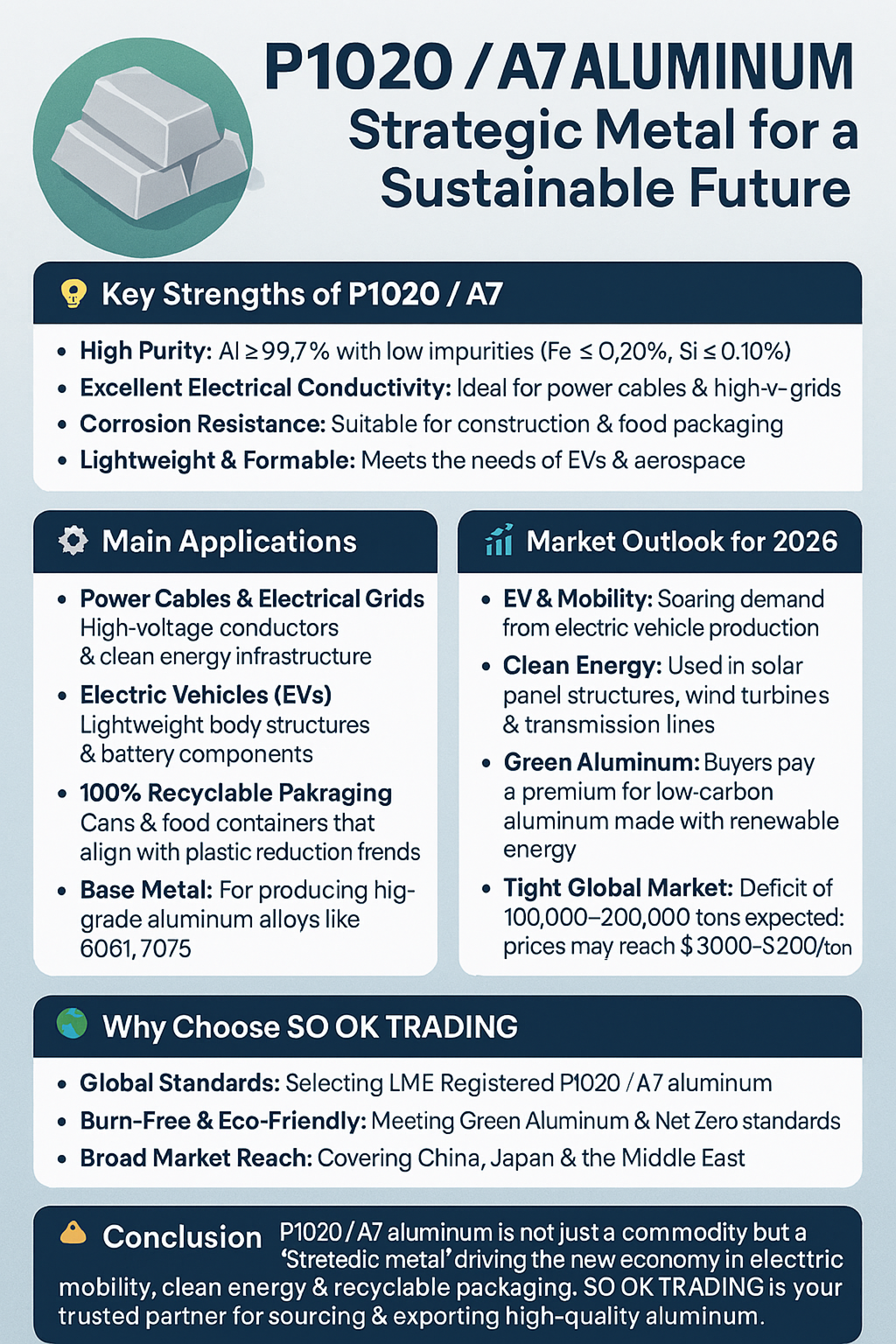
アルミニウム P1020 / A7:持続可能な未来を支える戦略的金属
アルミニウム P1020 および A7 グレードは、純度 99.7%以上の「一次アルミニウムインゴット」として国際的に認められた標準です。LME や ASTM に登録され、電線から自動車産業、再生可能エネルギーまで幅広く利用されています。
P1020 / A7 の強み
高純度:Al ≥ 99.7%、不純物が極めて少ない (Fe ≤ 0.20%、Si ≤ 0.10%)
優れた導電性:高電圧送電線や電力インフラに最適
耐食性:建設資材や食品包装に適用可能
軽量で加工容易:EV や航空産業のニーズに対応
⚙️ 主な用途
電線・電力網:高電圧導体やクリーンエネルギー基盤
電気自動車 (EV):軽量ボディ構造やバッテリー部品
100% リサイクル可能な包装:缶や食品容器、脱プラスチックの潮流に対応
基材:6061、7075 など高強度アルミ合金の原料
2026 年の市場展望
EV & モビリティ:電気自動車の生産拡大による需要急増
クリーンエネルギー:太陽光パネル、風力タービン、送電線に利用
グリーンアルミニウム:再生可能エネルギーで製造された低炭素アルミにプレミアム価格
逼迫する世界市場:10万〜20万トンの供給不足予測、価格は 3,000〜3,200 ドル/トンに達する可能性
SO OK TRADING を選ぶ理由
✅ 国際基準品質:LME 登録ブランドの P1020 / A7 を厳選
✅ 焼畑ゼロ・環境配慮:グリーンアルミニウムや Net Zero に対応
✅ 広範な市場ネットワーク:中国、日本、中東をカバー
✅ ワンストップソリューション:調達から品質検査、輸出まで一貫対応
結論
アルミニウム P1020 / A7 は単なる商品ではなく、「戦略的金属」 として新しい経済を牽引します。電気自動車、クリーンエネルギー、リサイクル可能な包装の未来を支える存在です。
SO OK TRADING は、高品質アルミニウムの調達と輸出において信頼できるパートナーとして、産業の安定と持続可能な未来を実現します。
✨ SO OK TRADING — Pure Aluminum, Global Standards, Sustainable Future
アルミニウム P1020 および A7 グレードは、純度 99.7%以上の「一次アルミニウムインゴット」として国際的に認められた標準です。LME や ASTM に登録され、電線から自動車産業、再生可能エネルギーまで幅広く利用されています。
P1020 / A7 の強み
高純度:Al ≥ 99.7%、不純物が極めて少ない (Fe ≤ 0.20%、Si ≤ 0.10%)
優れた導電性:高電圧送電線や電力インフラに最適
耐食性:建設資材や食品包装に適用可能
軽量で加工容易:EV や航空産業のニーズに対応
⚙️ 主な用途
電線・電力網:高電圧導体やクリーンエネルギー基盤
電気自動車 (EV):軽量ボディ構造やバッテリー部品
100% リサイクル可能な包装:缶や食品容器、脱プラスチックの潮流に対応
基材:6061、7075 など高強度アルミ合金の原料
2026 年の市場展望
EV & モビリティ:電気自動車の生産拡大による需要急増
クリーンエネルギー:太陽光パネル、風力タービン、送電線に利用
グリーンアルミニウム:再生可能エネルギーで製造された低炭素アルミにプレミアム価格
逼迫する世界市場:10万〜20万トンの供給不足予測、価格は 3,000〜3,200 ドル/トンに達する可能性
SO OK TRADING を選ぶ理由
✅ 国際基準品質:LME 登録ブランドの P1020 / A7 を厳選
✅ 焼畑ゼロ・環境配慮:グリーンアルミニウムや Net Zero に対応
✅ 広範な市場ネットワーク:中国、日本、中東をカバー
✅ ワンストップソリューション:調達から品質検査、輸出まで一貫対応
結論
アルミニウム P1020 / A7 は単なる商品ではなく、「戦略的金属」 として新しい経済を牽引します。電気自動車、クリーンエネルギー、リサイクル可能な包装の未来を支える存在です。
SO OK TRADING は、高品質アルミニウムの調達と輸出において信頼できるパートナーとして、産業の安定と持続可能な未来を実現します。
✨ SO OK TRADING — Pure Aluminum, Global Standards, Sustainable Future


関連コンテンツ
ベトナム経済2026年 – ASEANのリーダーへの飛躍
SO OK TRADING による記事|2026年8月21日
ベトナムは今や「ASEANの新星」として世界から注目を集めています。地域で最も際立った経済成長率、過去最高の外国直接投資(FDI)の流入、そして輸出の急拡大により、東南アジアの多くの国を追い越しつつあります。本記事では、ベトナムがテクノロジー経済とクリーンエネルギーへと移行する中で生まれる 主要な成長要因、構造的課題、そして新たなビジネスチャンス を詳しく解説します。
タイの投資家や企業にとって、これは戦略を再構築し「Thailand + Vietnam」モデルの下で新たな協力関係を模索する絶好のタイミングです。世界で最も急速に成長する地域で経済的な機会を創出するための重要な一歩となるでしょう。
✨ 詳細な分析は記事本文をご覧ください —
SO OK TRADING : FAST • SHARP • RELIABLE
21 8月 2026
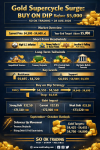
「金価格はスーパーサイクルへ:Buy on Dipで5,000ドル突破を狙う」
SO OK TRADING | 2026年8月28日
世界の金市場(XAU/USD)は現在、“スーパーサイクル”の重要な転換点に差し掛かっています。直近3か月の高値である4,690ドルを記録した後、4,580〜4,600ドルのレンジで小休止しています。
インフレやドルの圧力が弱まっているものの、市場構造は依然として強固な上昇トレンドを維持しています。米国の金融政策、地政学的リスク、そして各国中央銀行による金の積み増しが強力な追い風となっています。
2026年9月〜10月は、投資家にとって「絶好の積み立てのチャンス」と見られており、調整局面でのBuy on Dip戦略が年末の4,900〜5,100ドル突破に向けた鍵となるでしょう。
✨ SO OK TRADING
FAST • SHARP • RELIABLE
あなたのビジネスパートナー
28 8月 2026
