「金価格は地政学的リスクで急騰、4,400ドル突破 ― 今夜の米国CPIが運命を決める:上昇継続か調整か」 分析レポート:SO OK TRADING|2026年8月12日
最終更新: 12 8月 2026
1508 閲覧数

金価格は地政学的リスクで急騰 ― 今夜のCPIが方向性を決める
SO OK TRADINGによる分析|2026年8月12日
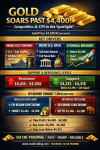
✨ 金市場の概況(2026年8月12日) 金スポット(XAU/USD)は1オンス=4,398.92ドル付近で高値を維持し、8月6日以降100ドル以上急騰しました。主な要因はホルムズ海峡の地政学的緊張と米国雇用統計の弱さです。世界の投資家は今夜19時30分(タイ時間)に発表される米国消費者物価指数(CPI)に注目しており、短期的な金価格の方向性を決定する重要な分岐点となります。
⚡ 金価格を動かす要因
中東の地政学的リスク 米国とイランの対立が激化 → ホルムズ海峡での緊張 → 原油価格が90ドル近くまで上昇 → 安全資産としての金需要増加
米国経済と金融政策 雇用統計(ADP・非農業部門雇用者数)が弱い → 利上げ圧力が後退 → ドル安 → 金価格を押し上げ
テクニカル要因とショートスクイーズ 心理的節目である$4,200を突破 → 自動売買やショートカバーが連鎖 → 金価格が急騰し$4,400に到達
サポート・レジスタンス水準
レジスタンス: $4,416 – $4,426、$4,435 – $4,456
サポート: $4,335 – $4,345、$4,305 – $4,318
$4,396を下回れば売りシグナル
短期見通し
強気シナリオ: CPIが予想以下 → ドル安 → 金価格は$4,462–$4,500を試す可能性
弱気シナリオ: CPIが予想以上 → Fedが引き締め姿勢 → 金価格は$4,340–$4,309まで調整の可能性
投資戦略
利益確定目標: $4,440 – $4,500(タイ国内金価格 約69,500–70,000バーツ)
買いゾーン: $4,340 – $4,348(約68,000–68,200バーツ)
ストップロス: $4,313以下(約67,500バーツ未満)
金融機関の見解
Citi / Goldman Sachs: 強気(Highly Bullish) → 長期目標 $4,500–$4,600
J.P. Morgan: 慎重な強気(Cautious Bullish) → $4,350–$4,480、短期的な調整リスクあり
Classic Gold: CPIが予想以上なら短期的に急落の可能性
✅ まとめ 金価格は依然として強い上昇トレンド(Bullish Trend)を維持し、$4,400を上回っています。短期的には今夜のCPI発表が決定的要因となり、$4,500を突破するか、$4,340まで調整するかが注目されます。
✨ SO OK TRADING — あなたのビジネスパートナー FAST • SHARP • RELIABLE www.sooktrading.com Facebook: SO OK TRADING
SO OK TRADINGによる分析|2026年8月12日
✨ 金市場の概況(2026年8月12日) 金スポット(XAU/USD)は1オンス=4,398.92ドル付近で高値を維持し、8月6日以降100ドル以上急騰しました。主な要因はホルムズ海峡の地政学的緊張と米国雇用統計の弱さです。世界の投資家は今夜19時30分(タイ時間)に発表される米国消費者物価指数(CPI)に注目しており、短期的な金価格の方向性を決定する重要な分岐点となります。
⚡ 金価格を動かす要因
中東の地政学的リスク 米国とイランの対立が激化 → ホルムズ海峡での緊張 → 原油価格が90ドル近くまで上昇 → 安全資産としての金需要増加
米国経済と金融政策 雇用統計(ADP・非農業部門雇用者数)が弱い → 利上げ圧力が後退 → ドル安 → 金価格を押し上げ
テクニカル要因とショートスクイーズ 心理的節目である$4,200を突破 → 自動売買やショートカバーが連鎖 → 金価格が急騰し$4,400に到達
サポート・レジスタンス水準
レジスタンス: $4,416 – $4,426、$4,435 – $4,456
サポート: $4,335 – $4,345、$4,305 – $4,318
$4,396を下回れば売りシグナル
短期見通し
強気シナリオ: CPIが予想以下 → ドル安 → 金価格は$4,462–$4,500を試す可能性
弱気シナリオ: CPIが予想以上 → Fedが引き締め姿勢 → 金価格は$4,340–$4,309まで調整の可能性
投資戦略
利益確定目標: $4,440 – $4,500(タイ国内金価格 約69,500–70,000バーツ)
買いゾーン: $4,340 – $4,348(約68,000–68,200バーツ)
ストップロス: $4,313以下(約67,500バーツ未満)
金融機関の見解
Citi / Goldman Sachs: 強気(Highly Bullish) → 長期目標 $4,500–$4,600
J.P. Morgan: 慎重な強気(Cautious Bullish) → $4,350–$4,480、短期的な調整リスクあり
Classic Gold: CPIが予想以上なら短期的に急落の可能性
✅ まとめ 金価格は依然として強い上昇トレンド(Bullish Trend)を維持し、$4,400を上回っています。短期的には今夜のCPI発表が決定的要因となり、$4,500を突破するか、$4,340まで調整するかが注目されます。
✨ SO OK TRADING — あなたのビジネスパートナー FAST • SHARP • RELIABLE www.sooktrading.com Facebook: SO OK TRADING

関連コンテンツ

シリコン(金属シリコン)は2026年、世界テクノロジーの「心臓」となりつつあります。
普通の原材料から、戦略的な素材へと進化し、電気自動車(EV)、太陽光発電(ソーラーパネル)、そしてAI技術を支える存在となっています。
世界市場は大きなバランス調整の時期を迎えています。過剰供給に苦しんだ過去を経て、2026年はシリコンが再び未来産業の中心に返り咲く転換点です。
24 4月 2026
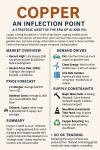
銅価格の動向(2026年2月)
世界は今、“転換点”に突入しています。EV、AI、そしてクリーンエネルギーによる需要が急増する一方で、供給は依然として逼迫しています。
SO OK TRADINGは、市場の全体像と価格調整期における原材料調達戦略をまとめ、タイの事業者がこの戦略的資産に潜むチャンスを明確に捉えられるようサポートします。
1 2月 2026
