「ASEAN Metal Chain:地下資源の宝庫、鉱山から未来の金属へ 世界経済を動かす新たな力」 — SO OK TRADING : 2026年6月24日
Last updated: 24 Jun 2026
1512 Views
ASEAN:非鉄金属の宝庫 世界経済の新たな心臓部 SO OK TRADING | 2026年6月24日
概要
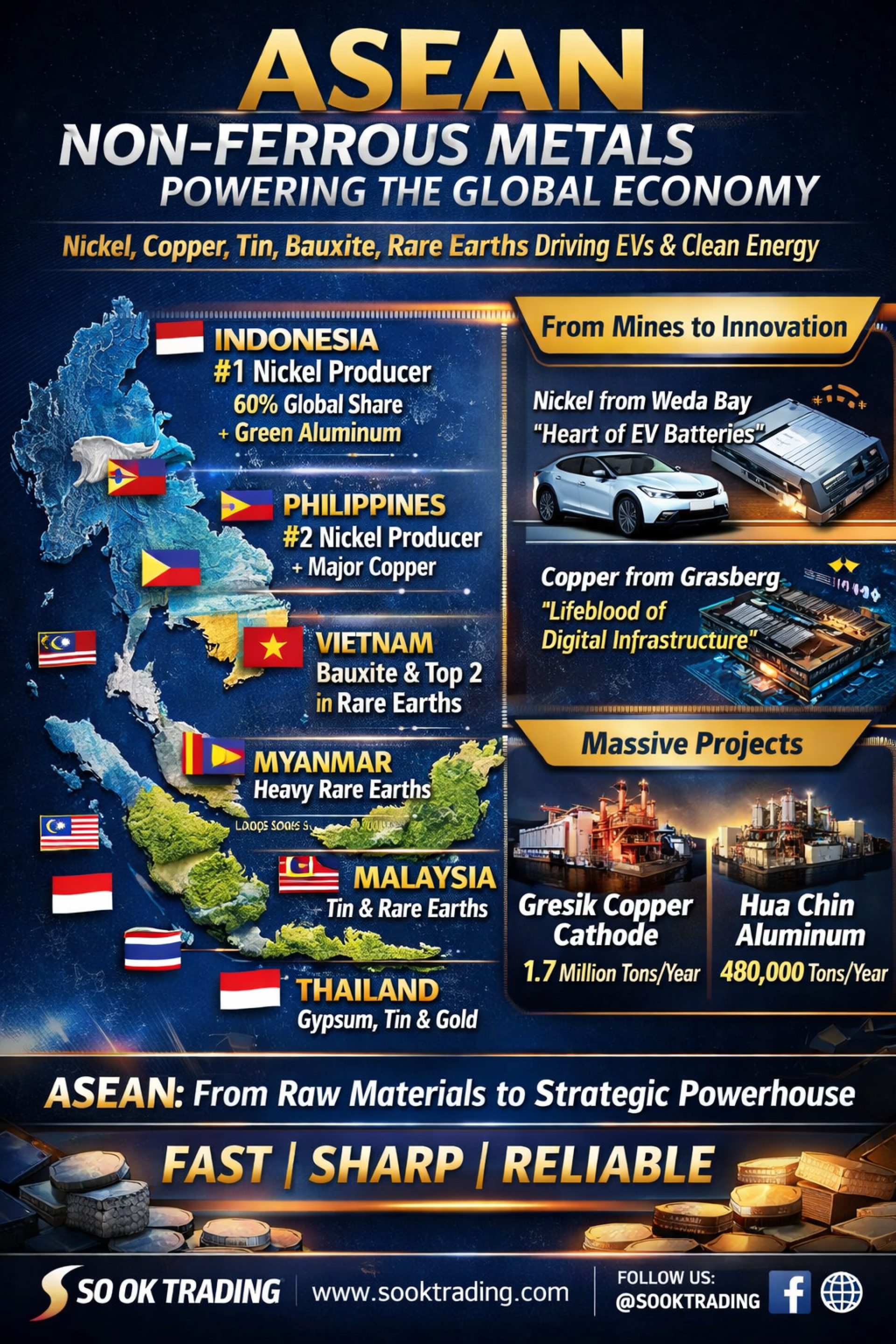
ASEAN地域は世界でも有数の 非鉄金属資源 に恵まれています。 ニッケル、銅、錫、ボーキサイト、そしてレアアース。 これらは 電気自動車(EV)、クリーンエネルギー、先端技術産業 の中核を担う存在です。
インドネシア – ニッケルとアルミニウムの大国
世界のニッケル生産の約 60% を占有(Weda Bay、Morowali、Obi Island)
Hua Chin製錬所やPT Kalimantan Aluminum Industryのプロジェクトにより、原鉱輸出国から グリーンアルミニウム生産国 へ進化
影響:世界のアルミ供給量が 250万トン以上 増加し、中国の影響力を抑え価格を新たな均衡へ
フィリピン – 世界第2位のニッケル供給国
主な鉱床:パラワン島、スリガオ、ミンダナオ
アジア最大級の銅鉱山プロジェクト Tampakan Mine を有する
ベトナム – ボーキサイトとレアアース
中部高原に膨大なボーキサイト埋蔵量
世界第2位のレアアース資源国(中国に次ぐ)、特にライチャウ省に集中
ミャンマー – 重希土類の拠点
カチン州は世界的に重要な重希土類資源地
タニンダーリやシャン州には錫や亜鉛鉱床も存在
ラオス – 銅と金
Sepon鉱山 と Phu Bia鉱山 が銅・金の主要生産拠点
南部にはボーキサイトの高い潜在力
マレーシア – 錫とレアアース
ペラ州とパハン州が錫とレアアースの中心地
KuantanのLynasプロジェクトは中国以外で最大級のレアアース生産拠点
タイ – 石膏・錫・金
世界最大の石膏輸出国
チャトリー鉱山は主要な金生産拠点
南部(プーケット、ターク)には錫とタングステン鉱床
ビジョン:鉱山から未来へ
インドネシアのWeda Bayのニッケルは、単なる鉱石ではなく EVバッテリーの心臓部。 グラスバーグ鉱山の銅は、まさに デジタルインフラの血流。 ベトナムやミャンマーのレアアースは、世界の先端技術を支える基盤です。
ASEAN諸国は「原鉱を売る」だけではなく、未来を売る存在 へと進化しています。
事実と展望
Gresik Copper Cathode(年間170万トン)
Hua Chin Aluminum(年間48万トン)
これらの巨大プロジェクトは、ASEANが グリーンメタルとEV経済 へ移行している証です。 ASEANは単なる資源供給地ではなく、世界産業チェーンの戦略的プレイヤー となりつつあります。
結論
ASEANの非鉄金属資源は、莫大な収益を生み出すだけでなく、 世界の未来を形作る力 となっています。
SO OK TRADING — FAST | SHARP | RELIABLE www.sooktrading.com Facebook: SOOK TRADING
概要
ASEAN地域は世界でも有数の 非鉄金属資源 に恵まれています。 ニッケル、銅、錫、ボーキサイト、そしてレアアース。 これらは 電気自動車(EV)、クリーンエネルギー、先端技術産業 の中核を担う存在です。
インドネシア – ニッケルとアルミニウムの大国
世界のニッケル生産の約 60% を占有(Weda Bay、Morowali、Obi Island)
Hua Chin製錬所やPT Kalimantan Aluminum Industryのプロジェクトにより、原鉱輸出国から グリーンアルミニウム生産国 へ進化
影響:世界のアルミ供給量が 250万トン以上 増加し、中国の影響力を抑え価格を新たな均衡へ
フィリピン – 世界第2位のニッケル供給国
主な鉱床:パラワン島、スリガオ、ミンダナオ
アジア最大級の銅鉱山プロジェクト Tampakan Mine を有する
ベトナム – ボーキサイトとレアアース
中部高原に膨大なボーキサイト埋蔵量
世界第2位のレアアース資源国(中国に次ぐ)、特にライチャウ省に集中
ミャンマー – 重希土類の拠点
カチン州は世界的に重要な重希土類資源地
タニンダーリやシャン州には錫や亜鉛鉱床も存在
ラオス – 銅と金
Sepon鉱山 と Phu Bia鉱山 が銅・金の主要生産拠点
南部にはボーキサイトの高い潜在力
マレーシア – 錫とレアアース
ペラ州とパハン州が錫とレアアースの中心地
KuantanのLynasプロジェクトは中国以外で最大級のレアアース生産拠点
タイ – 石膏・錫・金
世界最大の石膏輸出国
チャトリー鉱山は主要な金生産拠点
南部(プーケット、ターク)には錫とタングステン鉱床
ビジョン:鉱山から未来へ
インドネシアのWeda Bayのニッケルは、単なる鉱石ではなく EVバッテリーの心臓部。 グラスバーグ鉱山の銅は、まさに デジタルインフラの血流。 ベトナムやミャンマーのレアアースは、世界の先端技術を支える基盤です。
ASEAN諸国は「原鉱を売る」だけではなく、未来を売る存在 へと進化しています。
事実と展望
Gresik Copper Cathode(年間170万トン)
Hua Chin Aluminum(年間48万トン)
これらの巨大プロジェクトは、ASEANが グリーンメタルとEV経済 へ移行している証です。 ASEANは単なる資源供給地ではなく、世界産業チェーンの戦略的プレイヤー となりつつあります。
結論
ASEANの非鉄金属資源は、莫大な収益を生み出すだけでなく、 世界の未来を形作る力 となっています。
SO OK TRADING — FAST | SHARP | RELIABLE www.sooktrading.com Facebook: SOOK TRADING

関連コンテンツ
「LME急落 – ドル高が金属市場とタイバーツに圧力 | SO OK TRADING | 2026年9月14日」
ロンドン金属取引所(LME)は本日、大幅な下落を記録しました。直前に複数の金属価格が過去最高値を更新したばかりでしたが、米国のインフレ懸念と米連邦準備制度(FRB)の利上げ観測が強まり、ドル高を招いたことで世界の金属市場に利益確定売りが広がりました。
この状況は商品価格に影響を与えるだけでなく、タイバーツが1ドル=33.25バーツまで下落し、タイ国内の金属輸入コストや輸出企業の収益にも直接的な影響を及ぼしています。
本レポートでは、SO OK TRADINGが産業用金属と貴金属市場の動向、為替の見通し、そして2026年後半に注目すべき価格トレンドを詳しく分析し、企業の戦略立案やリスク管理に役立つ情報を提供します。
14 Sept 2026
歴史的な「トランプ–習近平サミット」(2026年5月12日〜15日)は、単なる儀礼的な訪問ではなく、世界を揺るがすビッグディールです。経済・エネルギー・テクノロジーを包括するこの会談は、世界GDPの42%を占める二大強国による複雑な交渉ゲームを映し出しています。
中東戦争から台湾問題、レアアース貿易、先端技術の輸出規制緩和まで――テーブル上の一つひとつの「殴り合い」は、世界市場の方向性、原油価格、そしてAIサプライチェーンの未来を左右する可能性があります。
これはまさに世界が注視すべきサミットです。もしディールが成功すれば、世界経済は安定を取り戻すでしょう。しかし失敗すれば、その衝撃は人々の生活費にまで及び、タイを含む世界各国に波及します。
SO OK TRADING : FAST • SHARP • RELIABLE
変化の激しい世界でのあなたのビジネスパートナー
14 May 2026
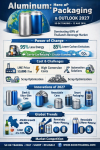
アルミニウム:新時代のパッケージングヒーロー
OUTLOOK 2027 | SO OK TRADING | 2026年8月12日
世界は「持続可能性」と「サーキュラーエコノミー(循環型経済)」の時代へと移行しています。
2027年、アルミニウム包装産業は単なる選択肢ではなく、世界の新しいスタンダードとなるでしょう。
アルミニウムは未来の素材へと進化しています。軽量で強靭、無限にリサイクル可能であり、CO₂排出量を85%以上削減。
従来の飲料缶から、環境とライフスタイルの両方に応えるスマートパッケージへと変貌しています。
SO OK TRADINGはこのチャンスをいち早く捉え、
非鉄金属市場の専門知識と強力なグローバルネットワークを活かし、持続可能な成長を支えるビジネスパートナーです。
12 Aug 2026
