米国‐イラン戦争終結間近:美伊战争接近结束「世界市場の転換点 ― 金は調整、原油は下落、産業金属は急騰」 SO OK TRADING : 2026年6月14日
最終更新: 14 6月 2026
2684 閲覧数

「金は調整・原油は下落・産業金属は急騰:世界市場の転換点」 SO OK TRADING : 2026年6月14日
短期的に金価格は1オンスあたり4,200ドルを上回って推移していますが、中東の緊張が緩和し始め、市場は米国のFRB金利やインフレ指標に注目しつつあります。もし本日(6月14日)和平合意が成立すれば、翌日(6月15日)には「Sell on Fact」現象による売り圧力が直ちに発生する可能性があります。
金(Gold): 調整局面にあるものの、長期的には上昇トレンドを維持。短期的には4,200ドルを割り込む可能性があり、重要なサポートは4,124~4,059ドル。しかし世界的金融機関は2026~2027年を通じて「構造的な強気相場」と見ており、年末目標は5,200~6,000ドル。
J.P. Morgan:6,000~6,100ドル
UBS:5,900ドル
Morgan Stanley:5,200~5,700ドル
Goldman Sachs:5,400ドル
Deutsche Bank:平均4,450ドル
強気要因は、各国中央銀行による金の積み増し、米国の急増する公的債務、新規鉱山供給の伸び悩みなど。
原油(Oil): 和平報道後に急落。WTIは85ドルを割り込み、84.29~84.88ドルで引け。翌日の重要サポートは84.00→82.67ドル。供給が完全に回復すれば78~76ドルを試す可能性も。ホルムズ海峡の開放はインフレ圧力を軽減し、FRBが追加利上げを急ぐ必要はないとの見方を強めている。
産業金属(LME Base Metals): 金とは逆に強く反発。地政学的リスクが緩和され、資金が製造業・世界産業へ流入し、直ちに価格上昇を引き起こした。
銅(Copper):13,415ドル/トンを突破。EVや電力インフラ需要が後押し。
アルミニウム(Aluminium):エネルギーコスト低下にもかかわらず、世界在庫が31%減少し、3,498~3,608ドルで堅調。
亜鉛(Zinc):3,467~3,486ドルで推移。建設や亜鉛メッキ鋼需要が支援。
鉛(Lead):1,962ドル/トンで安定。バッテリー工場再稼働の期待。
銀(Silver):短期的には金に連動して下落するも、太陽光発電や電子産業需要で反発の可能性。
世界市場の総括:
金:短期的な売り圧力に注意しつつ、長期投資家には新たな積み増しの好機。
原油:供給回復で強い下落トレンドへ。
産業金属:力強い反発、世界経済の信頼回復を反映。
現在の金の調整は下落シグナルではなく、新たな積み増しのチャンス。一方で原油は下降トレンドに入り、産業金属は急騰。これは投資家が注視すべき世界市場の大転換です。
SO OK TRADING:あなたのビジネスパートナー SO OK TRADING:FAST • SHARP • RELIABLE www.sooktrading.com Facebook:SO OK TRADING


関連コンテンツ

An analysis of the aluminum market in 2026 indicates a likely continued market deficit and upward price pressure, driven by constrained supply and resilient demand from green energy sectors. However, significant volatility is expected due to policy uncertainties and the potential for new Indonesian supply to eventually balance the market.
Key Drivers and Projections for 2026
Supply Side Analysis
Capacity Constraints: China's primary aluminum output is approaching its self-imposed 45 million-tonne capacity cap, limiting global supply growth.
Power Challenges: Smelters outside of China face intense competition for power from energy-intensive sectors like AI data centers, which are willing to pay higher prices for long-term contracts. This has kept significant capacity offline in Europe and the US.
Production Disruptions: Outages and potential shutdowns at existing smelters in Iceland and Mozambique further tighten the market.
Scrap Supply Pressure: The EU's planned implementation of the Carbon Border Adjustment Mechanism (CBAM) and potential scrap export tariffs in spring 2026 are expected to impact global scrap flows, creating regional shortages and price volatility.
New Capacity: Indonesia is a key source of new supply, with several projects in the pipeline. However, analysts suggest the pace of the ramp-up may be slower than expected due to infrastructure and policy challenges, meaning it is unlikely to fully offset near-term tightness.
Demand Side Analysis
Green Transition Demand: Demand from "green" sectors such as solar panels, new energy vehicles, and energy transition infrastructure remains strong, providing fundamental support for the market.
Substitution Effect: Aluminum's wide price discount relative to copper has encouraged substitution in electrical applications, acting as a tailwind for demand and prices.
Construction and Automotive: The construction and automotive industries continue to be major consumers, with growing demand for lightweight, low-carbon aluminum products.
Price Forecasts and Volatility
The market is expected to remain in a deficit in 2026, with estimates ranging from 200,000 to 600,000 tonnes. This structural tightness is leading most analysts to forecast sustained or rising prices.
Bullish Views: Analysts at Bank of America project prices of $3,000/tonne as early as 2026. J.P. Morgan also expects prices to approach $3,000/tonne in Q1 2026. ING forecasts an average price of $2,900/tonne for the year.
Bearish/Conservative Views: Goldman Sachs is an outlier, forecasting prices to decline to $2,350/tonne by Q4 2026, anticipating a market surplus later in the year. SMM forecasts a "high first, then lower" pattern, with prices finding equilibrium in the $2,700–$2,800/tonne range by year-end.
Premiums: Regional premiums, particularly the US Midwest premium, are expected to remain high and volatile due to tariffs and regional supply dynamics, creating a disconnect from the LME benchmark price.
In essence, 2026 is projected to be a year of high volatility where participants need to focus on scenario readiness rather than relying on a single price forecast, as geopolitical and energy policies significantly influence regional supply and costs
31 12月 2025
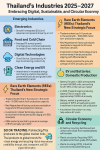
2025〜2027年は、タイ産業にとって大きな転換期となります。従来型の生産から、デジタル化・クリーンエネルギー・循環型経済(Circular Economy)へと進化し、世界の新しいルールに応える時代へ。
この記事では、タイ産業の重要なトレンドをまとめています。稀土(Rare Earth)、電気自動車(EV)、太陽光発電(Solar)、リサイクル、そして生産者が知っておくべき新しい法律。さらに、SO OK TRADING がタイの事業者を世界市場へと自信を持ってつなぐ役割についても紹介します。
27 2月 2026
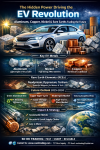
「金属と希土類の戦争:電気自動車革命の背後に隠された力」
電気自動車(EV)は単なる電力で走るのではなく、
「アルミニウム・銅・ニッケル・希土類」という経済金属によって駆動され、
世界のEVイノベーションの中心となっています。
SO OK TRADING の最新記事では以下を深く分析しています:
- これら基礎金属がEVのバッテリーや電気システムで果たす役割
- ネオジム、ジスプロシウム、プラセオジムがモーターの高トルクと小型化をどう実現するか
- 2025〜2030年の世界的トレンドが金属と希土類の利用をどう変えるか
- Tesla、BMW、Renault、Nissan、BYD、Toyota など主要メーカーが希土類依存を減らすためにどのような技術革新を進めているか
19 3月 2026
