「タイのシリコンメタル:石英からAIチップへ、アルミニウム産業と自動車産業を支え、世界が求めるクリーンエネルギーとグリーンな未来の原動力」
最終更新: 6 6月 2026
2009 閲覧数

「シリコンメタル – 世界のテクノロジーとクリーンエネルギーの新しい心臓」 SO OK TRADING | 2026年6月6日
タイのシリコンメタル(Silicon Metal)は、世界市場で急速に注目される「新星」となっています。米国のCVD関税を免除されたことに加え、シリコンは未来産業を支える戦略的原材料であり、太陽光発電、電気自動車(EV)、AIチップなどあらゆる分野に不可欠です。
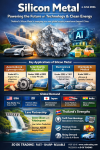
シリコンメタルの主な用途
⚙️ 自動車・軽量構造: グレード441はエンジンブロック、ピストン、高強度アルミプロファイルに使用
☀️ クリーンエネルギー(Solar PV): グレード3303・2202はポリシリコン製造に不可欠で、米国・欧州・中国の太陽光発電を支える
電子・AI: グレード2202・1101は半導体ウェハーや光ファイバーに利用され、AIチップや次世代通信の基盤となる
化学・医療: グレード3303はシリコーンゴム、シリコーンオイル、レジンなどの原料として医療・産業分野で拡大中
世界市場での需要と機会
米国: 高純度グレード(3303・2202)を中心に需要が拡大。タイはCVD免除により大きな優位性を持つ
欧州: 自動車産業向けの441グレードと再生可能エネルギー向けの3303グレードが中心。CBAM規制により低炭素製品が必須
日本: 2202・1101グレードを輸入し、半導体やEVバッテリーに活用
中国: 世界供給の80%以上を占めるが、国内需要も高く、3303グレードを太陽光発電に、553グレードを建設分野に使用
インド: 新興市場として553グレードやフェロシリコンを建設・鉄鋼産業に大量消費
ラオスの役割
ラオスは水力発電を活用したグリーンシリコンの新しい生産拠点として台頭。
低炭素フットプリントで環境規制に適合
欧州・日本市場に強みを発揮
タイはマーケティングと物流拠点、ラオスは原料生産拠点として連携し、ASEAN全体が中国以外の「新しい供給源」として存在感を高めている
タイの強み
競争力あるコスト: CVD免除により米国市場で価格優位性
プレミアム信頼性: 公正で透明な生産体制が世界から評価
拡大するプレミアム市場: EV、Solar、AI分野で高純度シリコン需要が急増
戦略的まとめ
シリコンメタルはもはや「コモディティ」ではなく、未来のテクノロジーを動かす戦略的資材です。 タイはCVD免除とラオスのグリーンシリコンとの連携により、持続可能で競争力のある世界的シリコンハブへと成長する準備が整っています。
SO OK TRADING は新しいシリコン時代におけるあなたの信頼できるビジネスパートナーです。 高品質なシリコンメタルを、アルミ鋳造、マグホイール製造、先端技術産業向けにご提供いたします。
SO OK TRADING FAST • SHARP • RELIABLE www.sooktrading.com Facebook: SO OK TRADING
タイのシリコンメタル(Silicon Metal)は、世界市場で急速に注目される「新星」となっています。米国のCVD関税を免除されたことに加え、シリコンは未来産業を支える戦略的原材料であり、太陽光発電、電気自動車(EV)、AIチップなどあらゆる分野に不可欠です。
シリコンメタルの主な用途
⚙️ 自動車・軽量構造: グレード441はエンジンブロック、ピストン、高強度アルミプロファイルに使用
☀️ クリーンエネルギー(Solar PV): グレード3303・2202はポリシリコン製造に不可欠で、米国・欧州・中国の太陽光発電を支える
電子・AI: グレード2202・1101は半導体ウェハーや光ファイバーに利用され、AIチップや次世代通信の基盤となる
化学・医療: グレード3303はシリコーンゴム、シリコーンオイル、レジンなどの原料として医療・産業分野で拡大中
世界市場での需要と機会
米国: 高純度グレード(3303・2202)を中心に需要が拡大。タイはCVD免除により大きな優位性を持つ
欧州: 自動車産業向けの441グレードと再生可能エネルギー向けの3303グレードが中心。CBAM規制により低炭素製品が必須
日本: 2202・1101グレードを輸入し、半導体やEVバッテリーに活用
中国: 世界供給の80%以上を占めるが、国内需要も高く、3303グレードを太陽光発電に、553グレードを建設分野に使用
インド: 新興市場として553グレードやフェロシリコンを建設・鉄鋼産業に大量消費
ラオスの役割
ラオスは水力発電を活用したグリーンシリコンの新しい生産拠点として台頭。
低炭素フットプリントで環境規制に適合
欧州・日本市場に強みを発揮
タイはマーケティングと物流拠点、ラオスは原料生産拠点として連携し、ASEAN全体が中国以外の「新しい供給源」として存在感を高めている
タイの強み
競争力あるコスト: CVD免除により米国市場で価格優位性
プレミアム信頼性: 公正で透明な生産体制が世界から評価
拡大するプレミアム市場: EV、Solar、AI分野で高純度シリコン需要が急増
戦略的まとめ
シリコンメタルはもはや「コモディティ」ではなく、未来のテクノロジーを動かす戦略的資材です。 タイはCVD免除とラオスのグリーンシリコンとの連携により、持続可能で競争力のある世界的シリコンハブへと成長する準備が整っています。
SO OK TRADING は新しいシリコン時代におけるあなたの信頼できるビジネスパートナーです。 高品質なシリコンメタルを、アルミ鋳造、マグホイール製造、先端技術産業向けにご提供いたします。
SO OK TRADING FAST • SHARP • RELIABLE www.sooktrading.com Facebook: SO OK TRADING


関連コンテンツ
世界通貨戦争:ドル強勢―バーツ下落、しかしタイは均衡を失わず
21 3月 2026
「世界の金市場 2026年5月:短期的な調整局面、次なる大波への序章」
第1四半期に史上最高値を更新した後、金価格は現在「短期的な調整局面」に入っています。ドル高と米国の高金利政策が圧力となっていますが、中長期的な基盤は依然として強固です。世界各国の中央銀行による買い越しや地政学的リスクの高まりが、2026年を「黄金の年」とする大きな要因となっています。
5 5月 2026
「タイの大地から生まれた原材料が、世界最先端のパッケージ技術と融合 ― タイのビール産業は、持続可能性と創造性の新時代へと進化しています!」
ジャスミンライス、トロピカルフルーツ、そして100%リサイクル可能なアルミ缶。すべての要素が、タイのビールを「美味しく飲める」だけでなく「持続的に成長する」存在へと押し上げています
22 10月 2026
