ADC12: EV時代とエネルギー高騰の戦略素材 — 未来の産業を鋳造するアルミニウムのヒーロー SO OK TRADINGによる記事 | 2026年3月27日
最終更新: 27 3月 2026
3165 閲覧数
ADC12:EV時代とエネルギー高騰の戦略素材 — アルミダイカスト業界のヒーロースペック
SO OK TRADINGによる記事 | 2026年3月27日
世界のダイカストにおけるADC12の役割
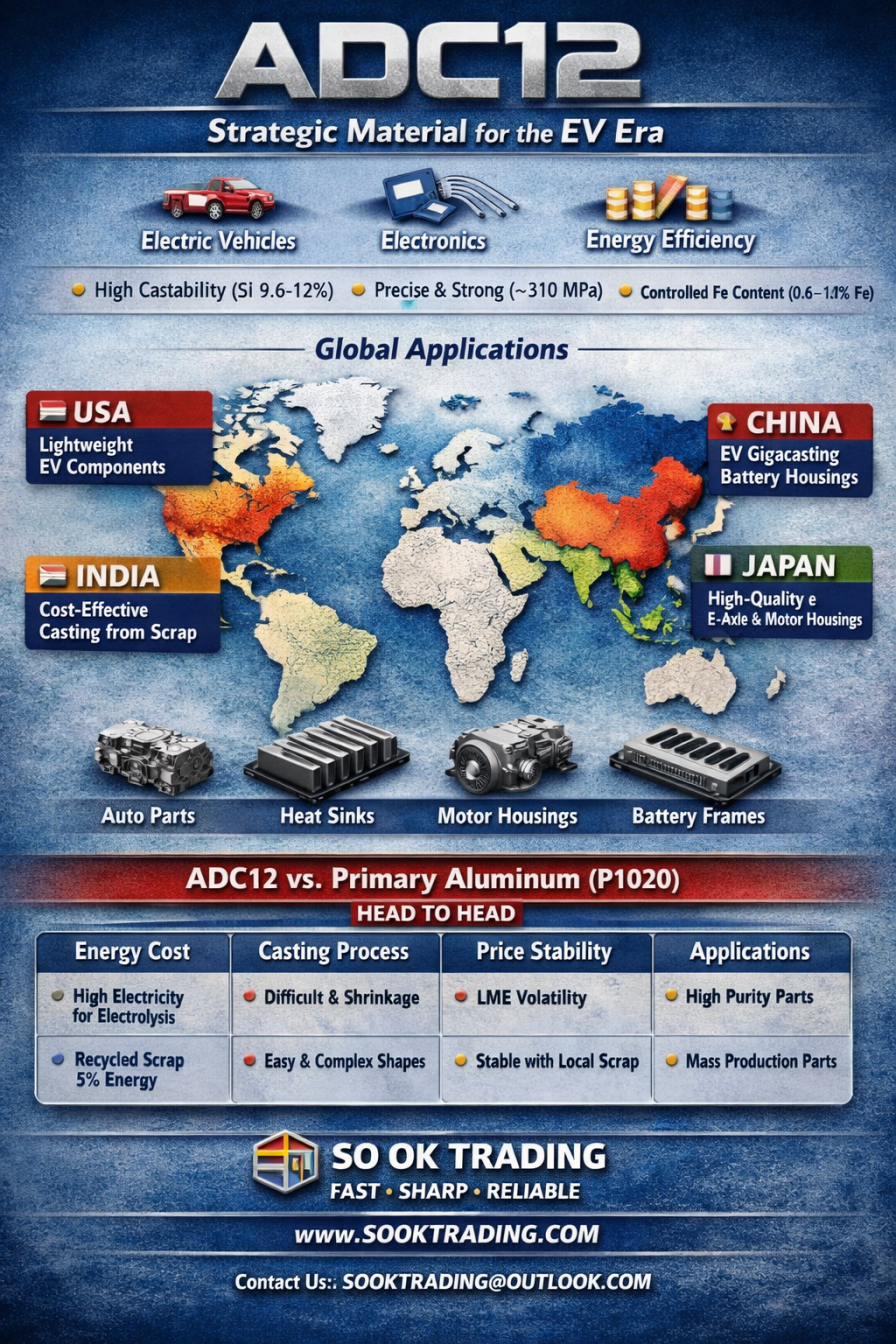
ADC12(A383)は単なるアルミニウム合金ではありません。アジア、そして世界の鋳造工場が最も選ぶ「ヒーロー」であり、エネルギーコスト削減とEVへの移行を同時に実現する戦略素材です。他のアルミ規格では代替できない存在となっています。
✨ ADC12が世界の産業で選ばれる理由
優れた流動性:Si含有量9.6–12% → 複雑形状や
優れた流動性:Si含有量薄肉部品の鋳造に最適
寸法精度:収縮が少なく、歩留まり向上
十分な強度と加工性:引張強さ約310MPa、機械加工も容易
耐熱性:A380よりも高い耐熱割れ抵抗
多様な用途
自動車:エンジンカバー、ギアケース、センサー取付部、e-Axleハウジング
電子機器:ヒートシンク、ハウジング、コネクター
家電製品:電動工具フレーム、洗濯機部品、通信機器
EV部品:バッテリーフレーム、モーターハウジング
Fe含有量:品質を左右する小さな要素
JIS規格:Fe ≤ 1.3%
推奨範囲:0.6–1.0%
0.6%未満 → ダイソルダリングのリスク
1.2%以上 → 脆化し、加工性低下
結論:Fe管理はADC12品質の核心
EV時代における世界の動向
中国:EV最大の生産拠点、バッテリーハウジングやギガキャスティングにADC12を大量採用
インド:急成長するEV市場、スクラップ由来ADC12でコスト削減
日本:高品質e-Axleやモーターハウジングに使用、Fe管理を徹底
ヨーロッパ:エネルギー危機でPrimary Aluminum生産縮小 → ADC12へ移行
米国:A380が標準だが、EV需要増でADC12採用拡大、歩留まり安定
ADC12 vs Primary Aluminum (P1020)
エネルギーコスト:Primary → 電解に膨大な電力、ADC12 → スクラップ再生で95%削減
鋳造性:Primary → 流動性低く収縮大、ADC12 → 優れた流動性で複雑形状も容易
価格安定性:Primary → LMEと為替に左右されやすい、ADC12 → 地域スクラップ価格で安定
用途:Primary → 高純度部品、ADC12 → 大量生産に最適
結論
ADC12は単なるダイカスト用合金ではなく、世界の自動車・電子産業がエネルギー危機を乗り越え、EV時代へ進むための戦略素材です。
ADC12:軽量・強靭・鋳造容易・環境に優しい — 未来を形作る合金
SO OK TRADING — FAST • SHARP • RELIABLE
www.sooktrading.com
sooktrading@outlook.com
SO OK TRADINGによる記事 | 2026年3月27日
世界のダイカストにおけるADC12の役割
ADC12(A383)は単なるアルミニウム合金ではありません。アジア、そして世界の鋳造工場が最も選ぶ「ヒーロー」であり、エネルギーコスト削減とEVへの移行を同時に実現する戦略素材です。他のアルミ規格では代替できない存在となっています。
✨ ADC12が世界の産業で選ばれる理由
優れた流動性:Si含有量9.6–12% → 複雑形状や
優れた流動性:Si含有量薄肉部品の鋳造に最適
寸法精度:収縮が少なく、歩留まり向上
十分な強度と加工性:引張強さ約310MPa、機械加工も容易
耐熱性:A380よりも高い耐熱割れ抵抗
多様な用途
自動車:エンジンカバー、ギアケース、センサー取付部、e-Axleハウジング
電子機器:ヒートシンク、ハウジング、コネクター
家電製品:電動工具フレーム、洗濯機部品、通信機器
EV部品:バッテリーフレーム、モーターハウジング
Fe含有量:品質を左右する小さな要素
JIS規格:Fe ≤ 1.3%
推奨範囲:0.6–1.0%
0.6%未満 → ダイソルダリングのリスク
1.2%以上 → 脆化し、加工性低下
結論:Fe管理はADC12品質の核心
EV時代における世界の動向
中国:EV最大の生産拠点、バッテリーハウジングやギガキャスティングにADC12を大量採用
インド:急成長するEV市場、スクラップ由来ADC12でコスト削減
日本:高品質e-Axleやモーターハウジングに使用、Fe管理を徹底
ヨーロッパ:エネルギー危機でPrimary Aluminum生産縮小 → ADC12へ移行
米国:A380が標準だが、EV需要増でADC12採用拡大、歩留まり安定
ADC12 vs Primary Aluminum (P1020)
エネルギーコスト:Primary → 電解に膨大な電力、ADC12 → スクラップ再生で95%削減
鋳造性:Primary → 流動性低く収縮大、ADC12 → 優れた流動性で複雑形状も容易
価格安定性:Primary → LMEと為替に左右されやすい、ADC12 → 地域スクラップ価格で安定
用途:Primary → 高純度部品、ADC12 → 大量生産に最適
結論
ADC12は単なるダイカスト用合金ではなく、世界の自動車・電子産業がエネルギー危機を乗り越え、EV時代へ進むための戦略素材です。
ADC12:軽量・強靭・鋳造容易・環境に優しい — 未来を形作る合金
SO OK TRADING — FAST • SHARP • RELIABLE
www.sooktrading.com
sooktrading@outlook.com



関連コンテンツ
アンチモンとシリコン:世界テクノロジー戦争の新たな心臓部
産業の方向性は大きく変わりつつあり —— そしてタイはすでにこのゲームに参加しています。
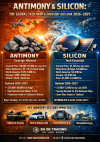
「鉱物」が経済的な武器となる時代において、アンチモン(Antimony)とシリコン(Silicon)は世界のテクノロジーを揺るがす戦略資源です。両鉱物は EV、AI、半導体、再生可能エネルギー といった次世代産業に不可欠であり、今後の世界経済を牽引していきます。
28 7月 2026
アルミニウム市場の動向と展望
SO OK TRADING | 2026年8月25日
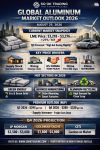
2026年、アルミニウムはもはや一般的な産業用軽金属ではなく、クリーンエネルギーと未来技術を支える戦略的金属へと進化しました。電気自動車(EV)、再生可能エネルギー、AIやデジタル基盤の構築に至るまで、持続可能な世界への移行を推進する中心的存在となっています。
今年は、過去10年で最も「熱い」アルミニウム市場の年となり、供給不足や地政学的リスクによって価格が急騰しました。一方で、未来産業からの強い需要がその背景を支えています。
SO OK TRADINGは、タイを拠点とする非鉄金属分野のビジネスパートナーとして、2026年第3四半期から2027年にかけてのアルミニウム価格動向を徹底分析。世界が「グリーントランジション」へと本格的に移行する中、企業・投資家・ビジネスパートナーが確かな戦略を描けるよう、深い洞察を提供します。
25 8月 2026
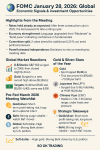
「FEDが『据え置き』を選んだのに、市場は『据え置き』ず!最新の金利決定後の資産価格の動きを総まとめ。金を保有している方、または円・人民元の両替を検討している方は必読です。」
昨夜のFED声明を受けて、金・銀・タイバーツの今後の方向性はどうなるのか?最新情報をチェックして、変動に備えましょう
29 1月 2026
