錫(すず): 平凡な金属から戦略資源へ ― AIとクリーンエネルギーの未来をつなぐ“未来の金属”
Last updated: 27 Feb 2026
3120 Views
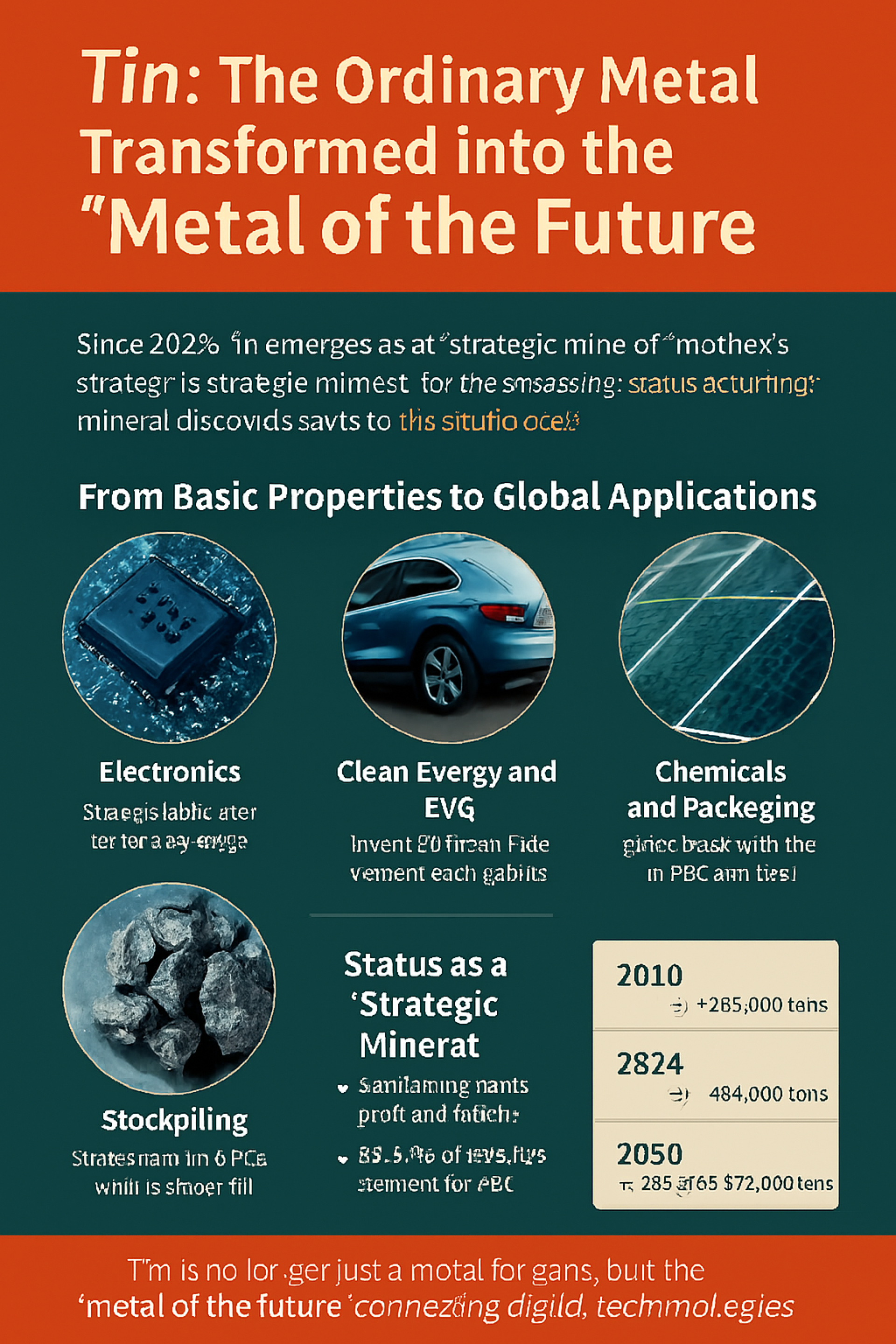
✨ 錫(すず):平凡な金属から「未来の金属」へ ✨
かつて錫(Sn)は缶詰のコーティングに使われるだけの存在でした。
しかし2026年、世界はそれを 戦略資源 として注目し、デジタル経済とクリーンエネルギーの未来を形作る重要な役割を担うようになりました。
基本的な特性から世界的な用途へ
錫は柔らかく、加工しやすく、融点が低く、腐食に強いという特性を持ちます。
そのため食品産業での金属コーティングから、電子回路のはんだ付けに至るまで幅広く利用されています。
現在の主な用途は以下の3分野です:
電子産業:世界需要の50%以上を占め、スマートフォン、AIチップ、5G機器の接合材として不可欠。
クリーンエネルギーとEV:電気自動車では従来車の2〜3倍の錫を使用。バッテリーやソーラーパネルに活用。
化学・包装:PVC、歯磨き粉、ガラス、食品包装材などで依然として重要。
価格高騰と需要要因
2026年2月、錫の国際価格は 53,698ドル/トン(約190万円) に急騰。前年より65%増。
主因は半導体とEV産業の需要急増、そしてインドネシア・ミャンマーからの供給不足。
AI時代の錫
錫は「The Glue(接着剤)」としてデジタル世界を支えます。
先端パッケージング:AIチップやGPUには高密度の錫はんだが不可欠。
データセンター:AI対応のサーバーやネットワーク機器の拡大で需要が爆発的に増加。
次世代バッテリー革新
錫ははんだ材だけでなく、アノード材料としても注目されています。
リチウムイオン+シリコンアノード:錫を2%添加することで容量増加と高速充電を実現。
ナトリウムイオン電池:低エネルギー密度問題を解決し、コスト削減に貢献。
ソーラーリボン:太陽電池セル接続材として2030年までに需要倍増が予測。
戦略資源としての地位
備蓄政策:大国は戦略鉱物備蓄に錫を組み込み。
リサイクル:電子廃棄物からの回収で市場需要の20〜25%を賄う見込み。
成長の軌跡
2010年:約35万トン
2024年:49.5万トン(5GとEV拡大)
2030年:42〜57万トン予測
2040年:70万トン以上予測(AIとクリーンエネルギーの黄金期)
錫資源と課題
現在確認されている埋蔵量は 430〜490万トン。
中国(15%):最大の埋蔵量と消費国
インドネシア(17%):世界最大の海底鉱床
ミャンマー:高品位鉱石は減少傾向
ブラジル・オーストラリア:新規鉱山開発の潜在力
2040年の主要プレイヤー:中国・インドネシア、アフリカ(コンゴ・ナイジェリア)、ヨーロッパ、オーストラリア。
課題は「埋蔵量不足」ではなく「生産困難」。高品位鉱石が枯渇し、低品位鉱石の採掘には高コストと高度技術が必要。
結論
錫はもはや単なる基礎金属ではありません。
AI、EV、クリーンエネルギーをつなぐ未来の戦略資源 であり、今後20年の世界経済を左右する存在です。
かつて錫(Sn)は缶詰のコーティングに使われるだけの存在でした。
しかし2026年、世界はそれを 戦略資源 として注目し、デジタル経済とクリーンエネルギーの未来を形作る重要な役割を担うようになりました。
基本的な特性から世界的な用途へ
錫は柔らかく、加工しやすく、融点が低く、腐食に強いという特性を持ちます。
そのため食品産業での金属コーティングから、電子回路のはんだ付けに至るまで幅広く利用されています。
現在の主な用途は以下の3分野です:
電子産業:世界需要の50%以上を占め、スマートフォン、AIチップ、5G機器の接合材として不可欠。
クリーンエネルギーとEV:電気自動車では従来車の2〜3倍の錫を使用。バッテリーやソーラーパネルに活用。
化学・包装:PVC、歯磨き粉、ガラス、食品包装材などで依然として重要。
価格高騰と需要要因
2026年2月、錫の国際価格は 53,698ドル/トン(約190万円) に急騰。前年より65%増。
主因は半導体とEV産業の需要急増、そしてインドネシア・ミャンマーからの供給不足。
AI時代の錫
錫は「The Glue(接着剤)」としてデジタル世界を支えます。
先端パッケージング:AIチップやGPUには高密度の錫はんだが不可欠。
データセンター:AI対応のサーバーやネットワーク機器の拡大で需要が爆発的に増加。
次世代バッテリー革新
錫ははんだ材だけでなく、アノード材料としても注目されています。
リチウムイオン+シリコンアノード:錫を2%添加することで容量増加と高速充電を実現。
ナトリウムイオン電池:低エネルギー密度問題を解決し、コスト削減に貢献。
ソーラーリボン:太陽電池セル接続材として2030年までに需要倍増が予測。
戦略資源としての地位
備蓄政策:大国は戦略鉱物備蓄に錫を組み込み。
リサイクル:電子廃棄物からの回収で市場需要の20〜25%を賄う見込み。
成長の軌跡
2010年:約35万トン
2024年:49.5万トン(5GとEV拡大)
2030年:42〜57万トン予測
2040年:70万トン以上予測(AIとクリーンエネルギーの黄金期)
錫資源と課題
現在確認されている埋蔵量は 430〜490万トン。
中国(15%):最大の埋蔵量と消費国
インドネシア(17%):世界最大の海底鉱床
ミャンマー:高品位鉱石は減少傾向
ブラジル・オーストラリア:新規鉱山開発の潜在力
2040年の主要プレイヤー:中国・インドネシア、アフリカ(コンゴ・ナイジェリア)、ヨーロッパ、オーストラリア。
課題は「埋蔵量不足」ではなく「生産困難」。高品位鉱石が枯渇し、低品位鉱石の採掘には高コストと高度技術が必要。
結論
錫はもはや単なる基礎金属ではありません。
AI、EV、クリーンエネルギーをつなぐ未来の戦略資源 であり、今後20年の世界経済を左右する存在です。


関連コンテンツ
世界市場リスクオフ – バーツは33を突破、円はセーフヘイブンとして際立ち、ドルは弱含み
2026年8月10日~14日:為替市場の波乱の一週間
SO OK TRADING による分析
今週、世界市場は本格的に リスクオフ 状態に入りました。米国の雇用統計が予想を大きく下回り、ドルが急落。その結果、投資資金は安全資産である 日本円と金 に流入しました。一方、タイバーツは1ドル=33バーツを割り込み、過去6週間で最も強い水準 を記録しました。
世界的な資金フローは方向転換し、投資家はハイテク株のリスクを減らし、安全資産へのシフトを強めています。タイ株式市場は狭いレンジで推移しつつも、石油精製株や輸出関連株 は原油価格の高止まりに支えられています。
本稿では、SO OK TRADING が 主要通貨(USD, EUR, GBP, JPY, CNY, AUD)の動向と展望 を整理し、輸入業者・輸出業者、そして投資家がこの8月中旬の高い市場変動にどう対応すべきかを提案します。
SO OK TRADING — FAST • SHARP • RELIABLE
10 Aug 2026
2026年鉄鋼業界の展望:緩やかな回復と価格上昇の可能性
2026年は、鉄鋼業界にとって重要な転換点となります。2025年の底を経て、市場は「新たな均衡」に入りつつあり、需要は回復し、価格も安定的に上昇する見込みです。
世界全体では、鉄鋼需要が 1.3%増加し、1,773百万トン に達すると予測されています。インドが主な牽引役となり、道路・鉄道・エネルギーなどのインフラ投資により 9%の成長 が期待されています。米国と欧州も、金利引き下げやクリーンエネルギー投資、自動車産業の回復により堅実に成長し、米国は 1.8%増、欧州は 3.2%増 と見込まれています。中国は不動産分野の低迷が続くものの、需要減少は -1% にとどまり、インフラ投資や鉄鋼製品の輸出が全体を支えています。さらに、東南アジアや中東などの新興国でもインフラ・エネルギー投資が進み、需要の分散的な拡大が期待されています。
価格面では、鉄筋(Rebar)の平均価格が 16,000〜17,000バーツ/トン(約450〜530 USD/MT) と予測され、安定的に上昇する可能性があります。中国からの過剰供給や米欧の貿易障壁による圧力は残るものの、市場はより安定した「新たな均衡」に移行しています。
タイ国内では、建設や自動車産業の回復に伴い需要が緩やかに増加すると見込まれていますが、中国からの安価な鉄鋼が市場の約50%を占める可能性があり、国内メーカーは依然として大きな圧力に直面しています。そのため、タイの鉄鋼事業者は、付加価値の高い特殊製品の開発や品質基準の向上を通じて、プレミアム市場や特定の輸出市場(ASEAN、中東、アフリカ)を開拓する必要があります。
SO OK Trading:タイ鉄鋼を世界市場へつなぐパートナー
SO OK Tradingは、タイの鉄鋼事業者を支援するための包括的なソリューションを提供しています。
- 広範なパートナーネットワークと鉄道・海運・陸路を組み合わせた物流基盤により、タイの生産者と中国・東アジアのバイヤーを直接結びつけます。
- 市場分析や価格動向の予測、指数連動型の価格設定に関するアドバイスを提供し、価格変動リスクを軽減します。
- 契約の安定化、輸出関連の書類・基準・認証の管理をサポートし、安心して取引できる環境を整えます。
- 中国市場で需要の高い特殊鋼材に合わせた技術的・商業的な提案を行い、顧客ニーズに応えます。
SO OK Tradingは単なる輸出業者ではなく、タイの鉄鋼事業者が世界市場で安定的かつ持続的に競争できるよう支援する 信頼できるビジネスパートナー です。
15 Jan 2026
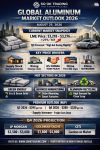
アルミニウム市場の動向と展望
SO OK TRADING | 2026年8月25日
2026年、アルミニウムはもはや一般的な産業用軽金属ではなく、クリーンエネルギーと未来技術を支える戦略的金属へと進化しました。電気自動車(EV)、再生可能エネルギー、AIやデジタル基盤の構築に至るまで、持続可能な世界への移行を推進する中心的存在となっています。
今年は、過去10年で最も「熱い」アルミニウム市場の年となり、供給不足や地政学的リスクによって価格が急騰しました。一方で、未来産業からの強い需要がその背景を支えています。
SO OK TRADINGは、タイを拠点とする非鉄金属分野のビジネスパートナーとして、2026年第3四半期から2027年にかけてのアルミニウム価格動向を徹底分析。世界が「グリーントランジション」へと本格的に移行する中、企業・投資家・ビジネスパートナーが確かな戦略を描けるよう、深い洞察を提供します。
25 Aug 2026
