THAI DURIAN (KING OF FRUIT)
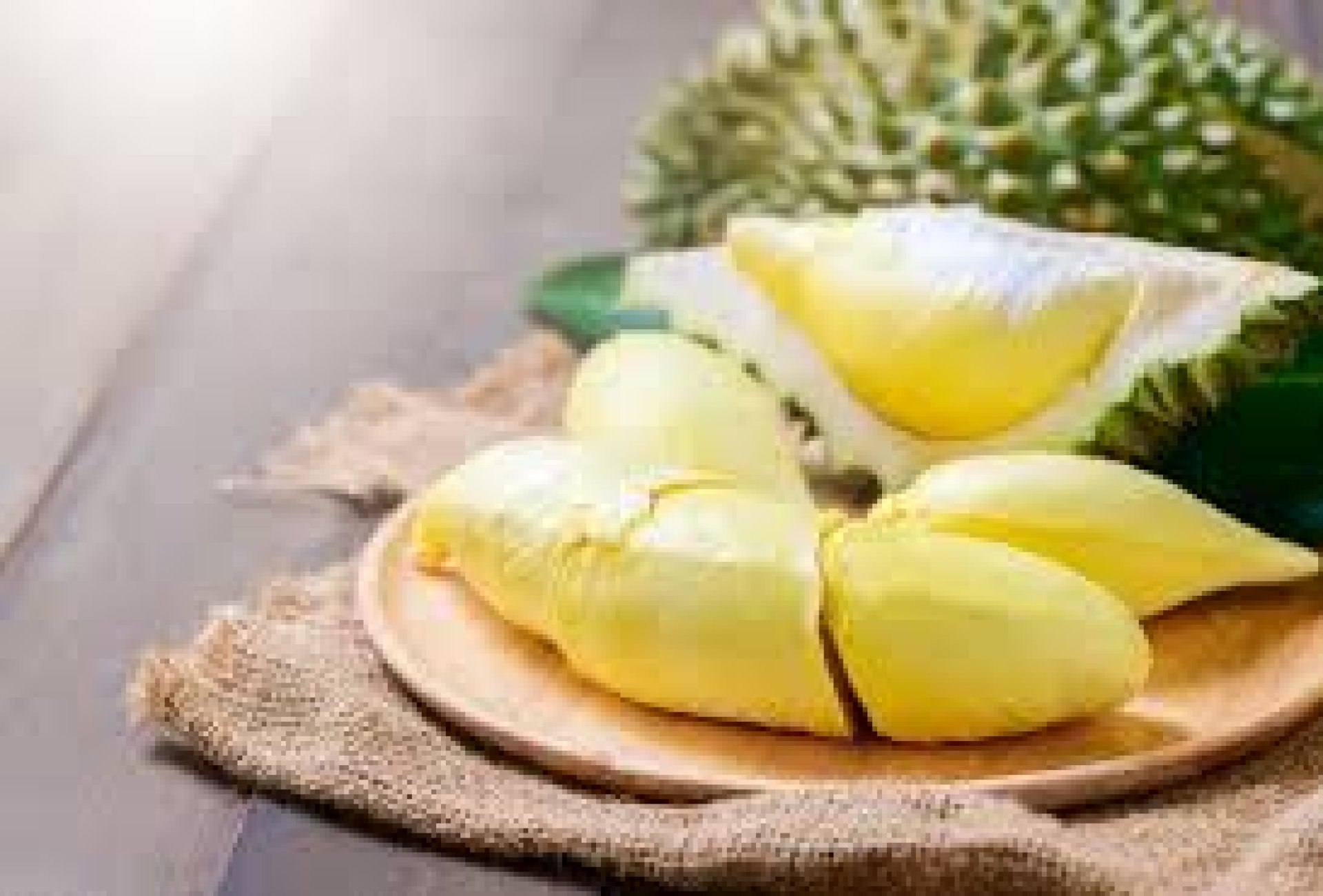
Guide to Thai Durians
With its smell emanating far across the globe, durians have become a popular attraction for tourists. One might even say that durians are among the most sensational produce in Southeast Asia. Despite being known as the “King of Fruit”, you may be perplexed when visiting Southeast Asia to see signs prohibiting durians at particular places such as on public transport, buses, libraries, airports, hotels and other shared indoor spaces. This is due to the fact that the smell of durians may linger in an indoor space long after the flesh has been consumed.
However, there are many loyal durian followers. With many countries in the region being able to grow their own durian produce, each place has developed its own set of techniques for a better farming process, including developing the seeds, growing bigger durians, growing better-tasting flesh, and so on.
Thailand has been growing durians for a very long time, and Thai durians are globally renowned. Today, I will introduce you to Thai durians and give you an in-depth look into the various types of durians and some expert hacks for eating durians that only locals would know.
What’s So Special About Thai Durians?
Thai durians can be quite distinct from durians grown in other parts of Southeast Asia. This is due to many factors including differences in soil profile, weather, elevation and farming techniques. But what seems to set Thai durians apart, at least in the eyes of the global market, is how widely exported they are. In fact, Thai durians, such as Monthong, are among the most famous exported variety around the world. Many consumers abroad revere Thai durians as they would revere wine from Europe and Manuka honey from New Zealand.
In terms of taste profile, Thai durians are known to be perfect in sweetness, with a hint of nuttiness. The texture is neither too soft nor too hard, being pleasantly balanced in heartiness and silkiness. The odor, while still possessing its unique funkiness, can be less intense than durians from other regions. Furthermore, fans of Thai durians will say that their favorite fruit possesses a floral quality to its scent.
Varieties Thai Durians
In Thailand, there are over 200 varieties of durians, Each variety is slightly different in terms of shape, size, taste, texture, color, and overall appearance. Here are some of the most popular durian varieties in Thailand:
Monthong Durian (ทุเรียนหมอนทอง)
Monthong or “Golden Pillow” is one of the most popular durians. It is usually big in size with a weight of 3-4 kilograms. It has white pulps and brownish cream seed skin. The flesh is smooth and yellow. The seeds are small and it gives off a soft scent. Those who do not like super sweet fruits would usually like monthong. It usually costs around 90-130 baht per kilogram.
Gradoom Durian (ทุเรียนกระดุม)
Unlike Monthong, Kradoom is usually smaller, only weighing around 1 kilogram. Its thorns are sharp and its seeds are big. The flesh is smooth and dark yellow in color. When ripe, the flesh can be sloppy and sweet. Kratom durian usually costs 70-80 baht per kilogram.
Chanee Durian (ทุเรียนชะนี)
As a fruit known for its unique smell, one cannot overlook Chanee durian. Its size ranges from medium to big, weighing around 3-5 kilograms. Its thorns are big and short, whereas the flesh is dark yellow and tastes almost syrupy and it seeds are creamy yellowish brown. The riper the durian, the softer and creamier the flesh becomes. Therefore, it is often used to turn into other snacks or desserts. It costs around 65-100 baht per kilogram.
Garnyao Durian (ทุเรียนก้านยาว)
Garnyao durian can be found in Nonthaburi province. As its name suggests, “garnyao” refers to the long stem found on this variety of durian. It is bigger in size compared to other varieties. The thorns are usually small and short. Its flesh is golden, yellow-brownish, and has soft and smooth skin. Its taste is pleasantly umami, giving off a nice, fragrant smell. This type of durian is quite expensive and rare to find. One durian could potentially cost around 5,000 to 15,000 baht.
Puangmanee Durian (ทุเรียนพวงมณี)
Puangmanee durian is cultivated in Rayong province. It is a small durian, weighing around 1.5 to 2.5 kilograms. Its shape is oval and has sharp thorns. The flesh is also dark yellow and tastes sweet. It also gives a light fragrance. It costs around 150-200 baht per kilogram.
Classes of Thai Durians
Besides the varieties of durians, they can also be classified into various classes by checking its quality externally and internally. In Thailand, durians can be classified into three classes.
First, “Extra class” means that this class of durians must be of the highest caliber to its specific type. Each general durian should have 4 fertile locules, while Garnyao and Gradoomtong should have 5 fertile locules. Thorns should have matured enough with no splitting at the end. Only slight superficial defects can be found if these do not affect the appearance and its internal quality.
Second, “Class I” refers to good quality durian with a minimum of three fertile locules and two infertile locules with the exception that Garnyao and Gradoomtong have at least four fertile locules. The shape of the fruit should remain perfect with the slightest defects and with no splitting thorn ends.
Last but not least, “Class II” is not classified as the higher classes, but it still meets the minimum requirement. One durian should have at least two fertile locules and two infertile locules. Garnyao and Gradoomtong should have three fertile locules and 2 infertile locules. Class II allows defects with no more than 10 percent and it must not affect the durian pulps.
Nonthaburi Durians – The King of Thai Durians
When talking about Thai durians, one cannot skip the most famous Thai durian of all time, Nonthaburi durian or Durian Nont. With its geographical advantage, located in an area rich with loamy soil perfect for drainage, Durian Nont is world-famous. Unlike other durian farming, Nonthaburi durian requires particular growing practices which have been passed down from generation to generation. The fruit is most prized for its exquisite flavor, being described as exquisitely sweet, with firm and creamy texture. The scent is not overpowering, making it a perfect choice for those who wish to partake in durian’s heavenly taste, but is hesitant about its controversial smell. These factors combined causes the price of Durian Nont to reach staggering heights. In 2019, a durian from Nonthaburi was sold at an auction at a price for 48,000 USD!
The growing practice for Nonthaburi durian begins with the trees. Durian Nont trees grow on raised mounds, preventing them from being disturbed by other plants. The plants need years to mature to the point that they can produce fruits with complex flavors. Once the trees reach desired age, they become prized possessions that farmers keep watchful eyes on. Guarding durian trees become even more difficult when you consider that Nonthaburi is notorious for being prone to floods. Farmers who lost their trees to flooding have to start their years-long growing process again. Unlike other plants on the farm, Nonthaburi durian trees are watered with filtered tap-water rather than water from rain, rivers, and canals.
Once the plants flower, germinate, and begin to bear small fruits, famer pick out buds from each branch, ensuring that not too many fruits are left hanging on a single branch. Once the buds mature into fruits, farmers place plastic cover over every single fruit to deter pests and control sunlight. They then check the fruits daily, waiting for just the right time to pick these delicious gems.
Durian in Thai Cuisine
Thai people are very creative when it comes to food. In addition to eating durians as fruits, Thais also turn durians into different food products and menus. Examples of durian dishes include in syrup, fried durians, durian preserve, and durian sticky rice.
Durian in syrup (ทุเรียนเชื่อม) is unripe durian cooked in sugar. Those who have difficult time with durian’s smell will definitely enjoy this dish as, once dipped in syrup, the pungent odor is simply gone. The end product is left with a pleasant smell, with a sweet and nutty taste.
Fried durian chips (ทุเรียนทอด) is probably a nationwide favorite fruit snack. It is made by slicing durians into thin strips, then deep-frying them in hot oil. Durian chips tastes totally different from ripe durian and is easy to eat (just like potato chips). The flavor can be described as salty and nutty.
Durian preserve (ทุเรียนกวน) is scrumptious, soft, and a bit creamy. They are made by slow-cooking durian with sugar. A good durian preserve will literally melt in your melt mouth, while also possessing a chewy texture to it. Monthong durian is mostly used for this dish because of its aromatic smell
Durian sticky rice (ข้าวเหนียวทุเรียน) is another classic Thai dessert. Think of it as mango and sticky rice, except it is durian! The dish is served with durian broth poured over the chewy, sweet sticky rice. You may also add coconut milk to the dish to give a more umami flavor.
---------------
Durians and Mangosteen (KING AND QUEEN OF FRUIT) (HOT & COLD)
Thais often consume durians with mangosteens. Durians can help alleviate colic and increase warmth to the body. Consumed in excess, durians can lead your body to become “overheated”. Mangosteens, on the other hand, are considered to have “cooling” properties. As such, traditional Thai medicine suggest that eating mangosteens, also known as the “Queen of Fruits”, after consuming durians can help cool down your body.
-------------
Conclusion
It can be seen that durians are more than just pungent spiky fruits. While durians may not be for everyone, it is still worth the try (if you’re open to it). Treated with ultimate care, Thai durians represent local wisdom in agriculture, born from respect for and understanding of nature. Besides trying the fruit itself, you may also try different durian dishes Thais created. It is more versatile than people may assume. You may end up liking durians more than you think!
------------