「炽烈战争,震撼世界——百日冲突 Middle East Crisis 2026:当地缘政治撼动全球经济与关键原材料」 SO OK TRADING :2026年6月8日
最后更新: 8 6月 2026
2559 浏览量
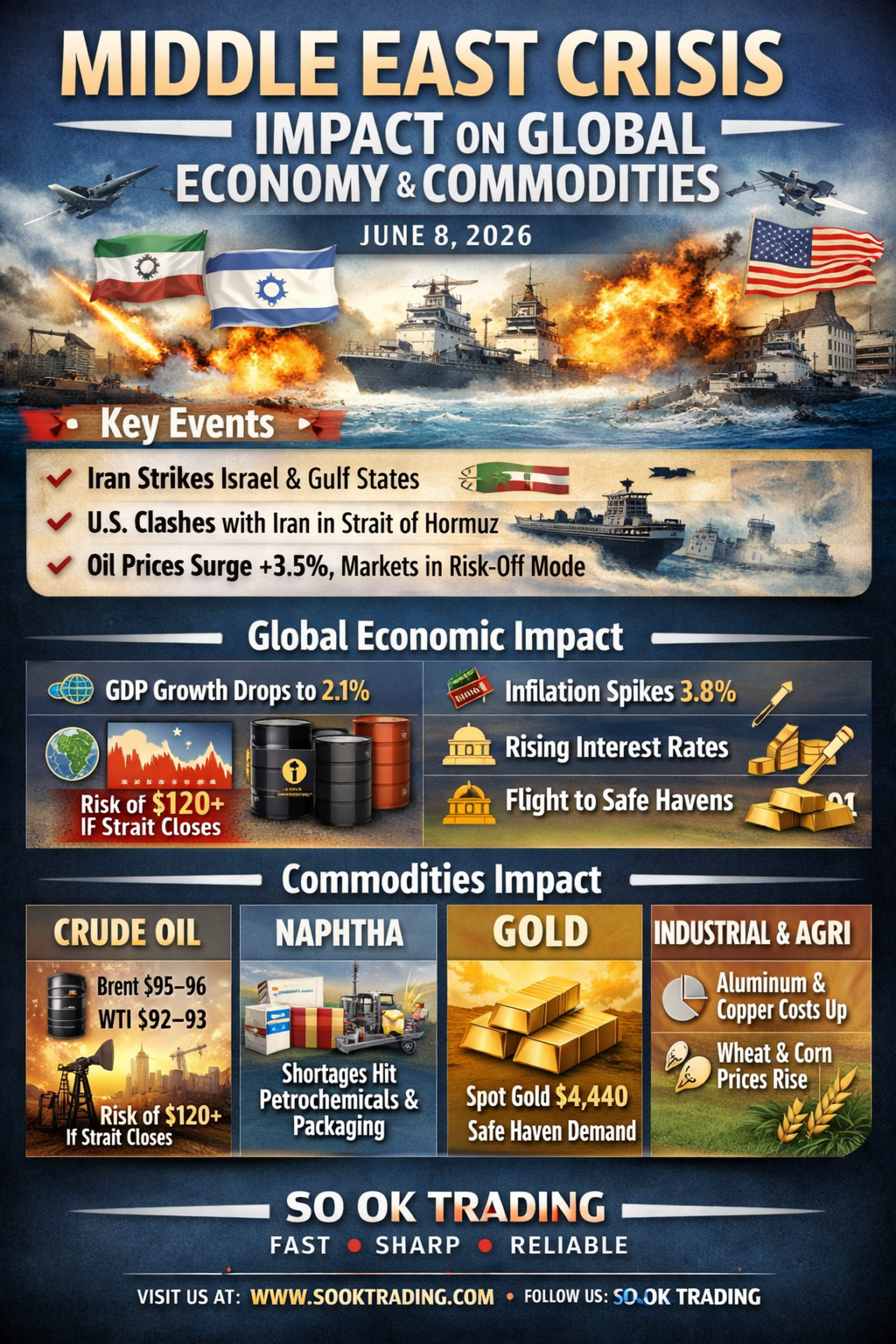
中东危机 2026年6月8日:战争震撼全球经济与关键原材料
中东局势再次升温! 伊朗向以色列发射导弹,美国在霍尔木兹海峡与伊朗交火。原油价格飙升,全球股市动荡,关键原材料供应链遭受严重冲击。
全球经济放缓 —— OECD警告2026年全球GDP或降至仅2.1%,为近百年来最低水平(除2009与2020危机年外) 通胀飙升 —— 能源与航运成本急剧上涨,美国通胀率升至3.8% ️ 原油与石脑油价格高企 —— 供应紧张,冲击石化、包装、食品薄膜及橡胶手套产业
中东局势再次升温! 伊朗向以色列发射导弹,美国在霍尔木兹海峡与伊朗交火。原油价格飙升,全球股市动荡,关键原材料供应链遭受严重冲击。
全球经济放缓 —— OECD警告2026年全球GDP或降至仅2.1%,为近百年来最低水平(除2009与2020危机年外) 通胀飙升 —— 能源与航运成本急剧上涨,美国通胀率升至3.8% ️ 原油与石脑油价格高企 —— 供应紧张,冲击石化、包装、食品薄膜及橡胶手套产业

相关文章

Non-Ferrous Supercycle : SO OK TRADING
「全线飘红!全球有色金属飙升 — 泰铢贬值 + 金属上涨 = 泰国企业新的成本危机」
全球有色金属市场正进入“大型上升周期(Supercycle)”。清洁能源经济的扩张与高科技时代的转型推动了铜、铝、镍、锡和银的全面上涨,呈现出“全线飘红”的局面。这反映了来自电动车(EV)、数据中心以及绿色金属产业的巨大需求。
与此同时,泰铢贬值至 1 美元 = 33.397 泰铢,进一步加剧了泰国进口商的成本压力。全球市场价格的飙升与汇率的不利走势叠加,使泰国原材料成本迅速攀升。
SO OK TRADING 深度分析全球金属市场走势及其对泰国企业的影响,并提出应对策略 —— 从风险对冲(Hedging)到产业成本结构的调整,为依赖金属的行业提供解决方案。
4 8月 2026
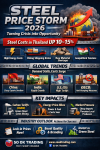
钢铁价格风暴 2026 —— 危机化为机遇
SO OK TRADING | 2026年5月17日
泰国钢铁市场正经历近几年最火热的局面!
价格已上涨 10–15%,并预计在第二季度因电力与能源成本飙升而再次上调
17 五月 2026

An analysis of the aluminum market in 2026 indicates a likely continued market deficit and upward price pressure, driven by constrained supply and resilient demand from green energy sectors. However, significant volatility is expected due to policy uncertainties and the potential for new Indonesian supply to eventually balance the market.
Key Drivers and Projections for 2026
Supply Side Analysis
Capacity Constraints: China's primary aluminum output is approaching its self-imposed 45 million-tonne capacity cap, limiting global supply growth.
Power Challenges: Smelters outside of China face intense competition for power from energy-intensive sectors like AI data centers, which are willing to pay higher prices for long-term contracts. This has kept significant capacity offline in Europe and the US.
Production Disruptions: Outages and potential shutdowns at existing smelters in Iceland and Mozambique further tighten the market.
Scrap Supply Pressure: The EU's planned implementation of the Carbon Border Adjustment Mechanism (CBAM) and potential scrap export tariffs in spring 2026 are expected to impact global scrap flows, creating regional shortages and price volatility.
New Capacity: Indonesia is a key source of new supply, with several projects in the pipeline. However, analysts suggest the pace of the ramp-up may be slower than expected due to infrastructure and policy challenges, meaning it is unlikely to fully offset near-term tightness.
Demand Side Analysis
Green Transition Demand: Demand from "green" sectors such as solar panels, new energy vehicles, and energy transition infrastructure remains strong, providing fundamental support for the market.
Substitution Effect: Aluminum's wide price discount relative to copper has encouraged substitution in electrical applications, acting as a tailwind for demand and prices.
Construction and Automotive: The construction and automotive industries continue to be major consumers, with growing demand for lightweight, low-carbon aluminum products.
Price Forecasts and Volatility
The market is expected to remain in a deficit in 2026, with estimates ranging from 200,000 to 600,000 tonnes. This structural tightness is leading most analysts to forecast sustained or rising prices.
Bullish Views: Analysts at Bank of America project prices of $3,000/tonne as early as 2026. J.P. Morgan also expects prices to approach $3,000/tonne in Q1 2026. ING forecasts an average price of $2,900/tonne for the year.
Bearish/Conservative Views: Goldman Sachs is an outlier, forecasting prices to decline to $2,350/tonne by Q4 2026, anticipating a market surplus later in the year. SMM forecasts a "high first, then lower" pattern, with prices finding equilibrium in the $2,700–$2,800/tonne range by year-end.
Premiums: Regional premiums, particularly the US Midwest premium, are expected to remain high and volatile due to tariffs and regional supply dynamics, creating a disconnect from the LME benchmark price.
In essence, 2026 is projected to be a year of high volatility where participants need to focus on scenario readiness rather than relying on a single price forecast, as geopolitical and energy policies significantly influence regional supply and costs
31 12月 2025
