「泰国钢铁市场十年来最炽热:2026钢铁价格风暴
Last updated: 17 May 2026
1523 Views
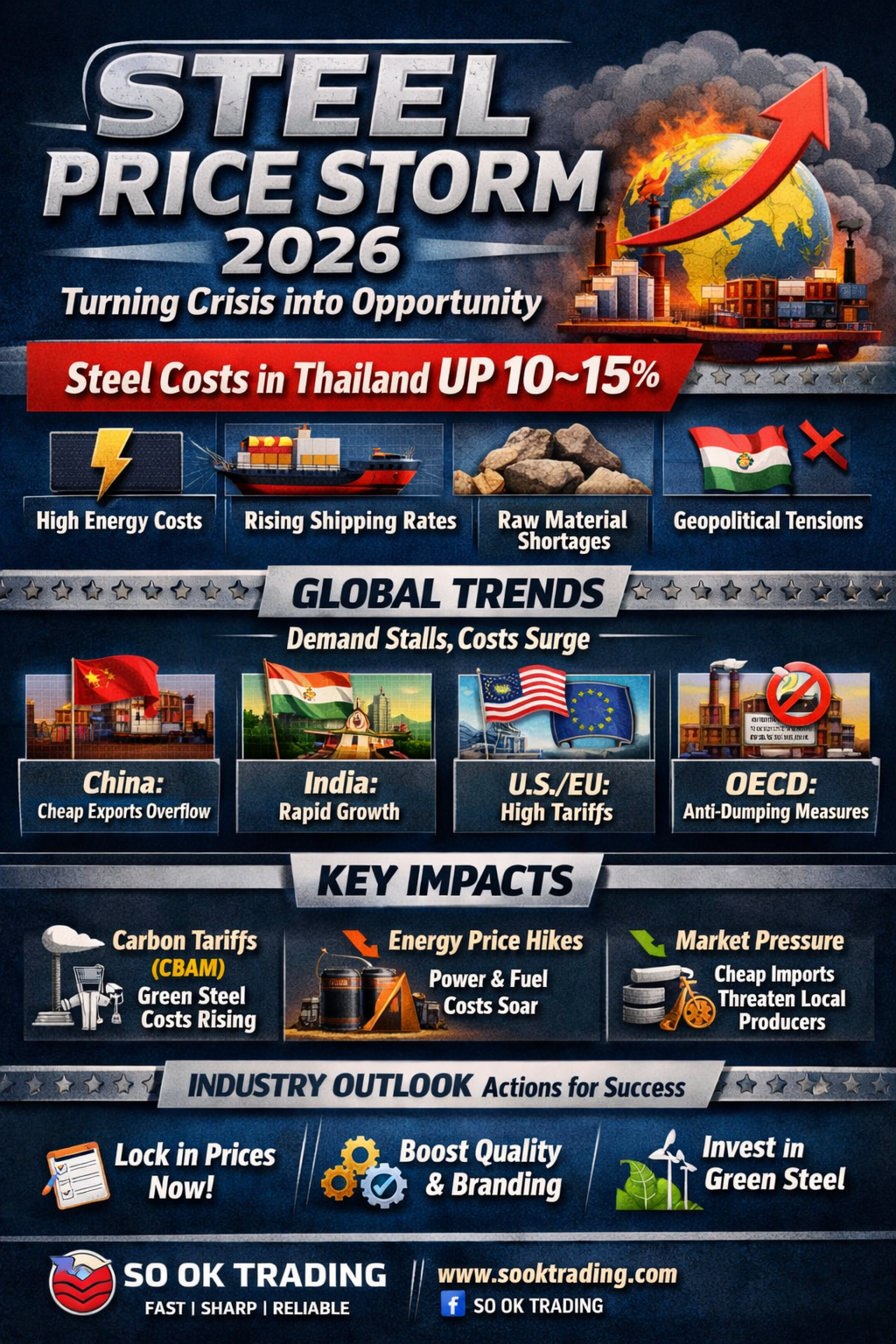
️ 2026钢铁价格风暴 —— 危机化为机遇
SO OK TRADING | 2026年5月17日
泰国现状
泰国钢铁市场正面临多重压力。 工厂和企业已经被迫 提价10–15%,并预计在第二季度因电力和能源成本飙升而再次上涨。
推动钢铁价格上涨的四大因素
⚡ 电费持续上涨(2026年5月–8月),直接冲击炼钢厂 ⛽ 全球能源成本飙升,石油和天然气价格上涨 运输费用激增,地缘政治紧张导致海运费和保险费增加 原材料短缺,俄乌冲突使铁矿石和半成品供应中断
全球市场概况:“需求停滞,成本推高价格”
全球钢铁需求仅增长 0.3%(约17.24亿吨)
中国:国内需求下降 → 出口超1亿吨,压制东盟市场包括泰国
印度:快速增长,需求 +7.4%(大型基础设施与汽车产业)
美国与欧洲:高关税政策使价格明显高于亚洲
OECD:全球过剩产能约 7亿吨 → 各国加强反倾销措施
绿色钢铁:欧盟实施CBAM → 低碳钢铁的溢价持续上升
中国战略与全球应对
中国:通过廉价出口维持国内就业,提升质量并利用化学处理规避关税
美国:将钢铁和铝关税提高3倍(25–50%)
欧盟:严格进口配额并调查钢铁倾销
泰国:准备实施 AC(反规避措施),防止中国钢铁虚假申报
CBAM(碳边境调节机制)的影响
使用煤炭的工厂将被征收巨额碳税
全球钢厂必须投资 电弧炉(EAF)或氢能技术
投资成本增加 → 成品钢铁价格随之上涨
2026年下半年展望
即使建筑需求放缓,钢铁价格仍不会下降
能源成本、电费和环保税将支撑价格维持高位
泰国市场风险加剧,若中国钢铁管制措施迟缓,本地生产或被迫缩减
✨ 总结:钢铁市场与产业趋势
买家与承包商:应在下一轮涨价前锁定价格
泰国企业:需提升质量与品牌传播,以对抗中国廉价钢铁
新机遇:投资绿色钢铁将成为未来竞争优势,因全球市场愿意支付溢价
今日参考价格(未含税与运输费)
圆钢 RB6:21.70 泰铢/kg
螺纹钢 DB16:19.90 泰铢/kg 或 312.44 泰铢/10米
方管:27.3 泰铢/kg 起
角钢:30.0 泰铢/kg 起
C型钢:26.9 泰铢/kg 起
槽钢:24.0 泰铢/kg 起
SO OK TRADING:您的商业伙伴 FAST | SHARP | RELIABLE www.sooktrading.com Facebook: SO OK TRADING
SO OK TRADING | 2026年5月17日
泰国现状
泰国钢铁市场正面临多重压力。 工厂和企业已经被迫 提价10–15%,并预计在第二季度因电力和能源成本飙升而再次上涨。
推动钢铁价格上涨的四大因素
⚡ 电费持续上涨(2026年5月–8月),直接冲击炼钢厂 ⛽ 全球能源成本飙升,石油和天然气价格上涨 运输费用激增,地缘政治紧张导致海运费和保险费增加 原材料短缺,俄乌冲突使铁矿石和半成品供应中断
全球市场概况:“需求停滞,成本推高价格”
全球钢铁需求仅增长 0.3%(约17.24亿吨)
中国:国内需求下降 → 出口超1亿吨,压制东盟市场包括泰国
印度:快速增长,需求 +7.4%(大型基础设施与汽车产业)
美国与欧洲:高关税政策使价格明显高于亚洲
OECD:全球过剩产能约 7亿吨 → 各国加强反倾销措施
绿色钢铁:欧盟实施CBAM → 低碳钢铁的溢价持续上升
中国战略与全球应对
中国:通过廉价出口维持国内就业,提升质量并利用化学处理规避关税
美国:将钢铁和铝关税提高3倍(25–50%)
欧盟:严格进口配额并调查钢铁倾销
泰国:准备实施 AC(反规避措施),防止中国钢铁虚假申报
CBAM(碳边境调节机制)的影响
使用煤炭的工厂将被征收巨额碳税
全球钢厂必须投资 电弧炉(EAF)或氢能技术
投资成本增加 → 成品钢铁价格随之上涨
2026年下半年展望
即使建筑需求放缓,钢铁价格仍不会下降
能源成本、电费和环保税将支撑价格维持高位
泰国市场风险加剧,若中国钢铁管制措施迟缓,本地生产或被迫缩减
✨ 总结:钢铁市场与产业趋势
买家与承包商:应在下一轮涨价前锁定价格
泰国企业:需提升质量与品牌传播,以对抗中国廉价钢铁
新机遇:投资绿色钢铁将成为未来竞争优势,因全球市场愿意支付溢价
今日参考价格(未含税与运输费)
圆钢 RB6:21.70 泰铢/kg
螺纹钢 DB16:19.90 泰铢/kg 或 312.44 泰铢/10米
方管:27.3 泰铢/kg 起
角钢:30.0 泰铢/kg 起
C型钢:26.9 泰铢/kg 起
槽钢:24.0 泰铢/kg 起
SO OK TRADING:您的商业伙伴 FAST | SHARP | RELIABLE www.sooktrading.com Facebook: SO OK TRADING


Related Content
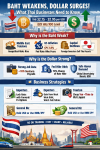
「泰铢贬值、美元飙升!泰国企业必须了解的货币游戏」
9 Jun 2026
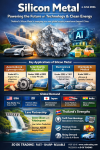
「硅金属——全球科技与清洁能源的新心脏」
SO OK TRADING | 2026年6月6日
硅金属(Silicon Metal)正在成为推动未来产业的“全球新星”——从太阳能电池板、电动汽车(EV),到AI芯片。
泰国是最大的受益者之一,不仅成功免除美国的CVD关税,还因透明与竞争力而获得全球认可
6 Jun 2026