“泰国橡胶:以品质与可持续性称霸全球,凭借绿色标准与电动车需求引领新格局” SO OK TRADING : 2026年5月3日
Last updated: 3 May 2026
2230 Views
“泰国橡胶:以品质与可持续性引领全球出口” SO OK TRADING : 2026年5月3日
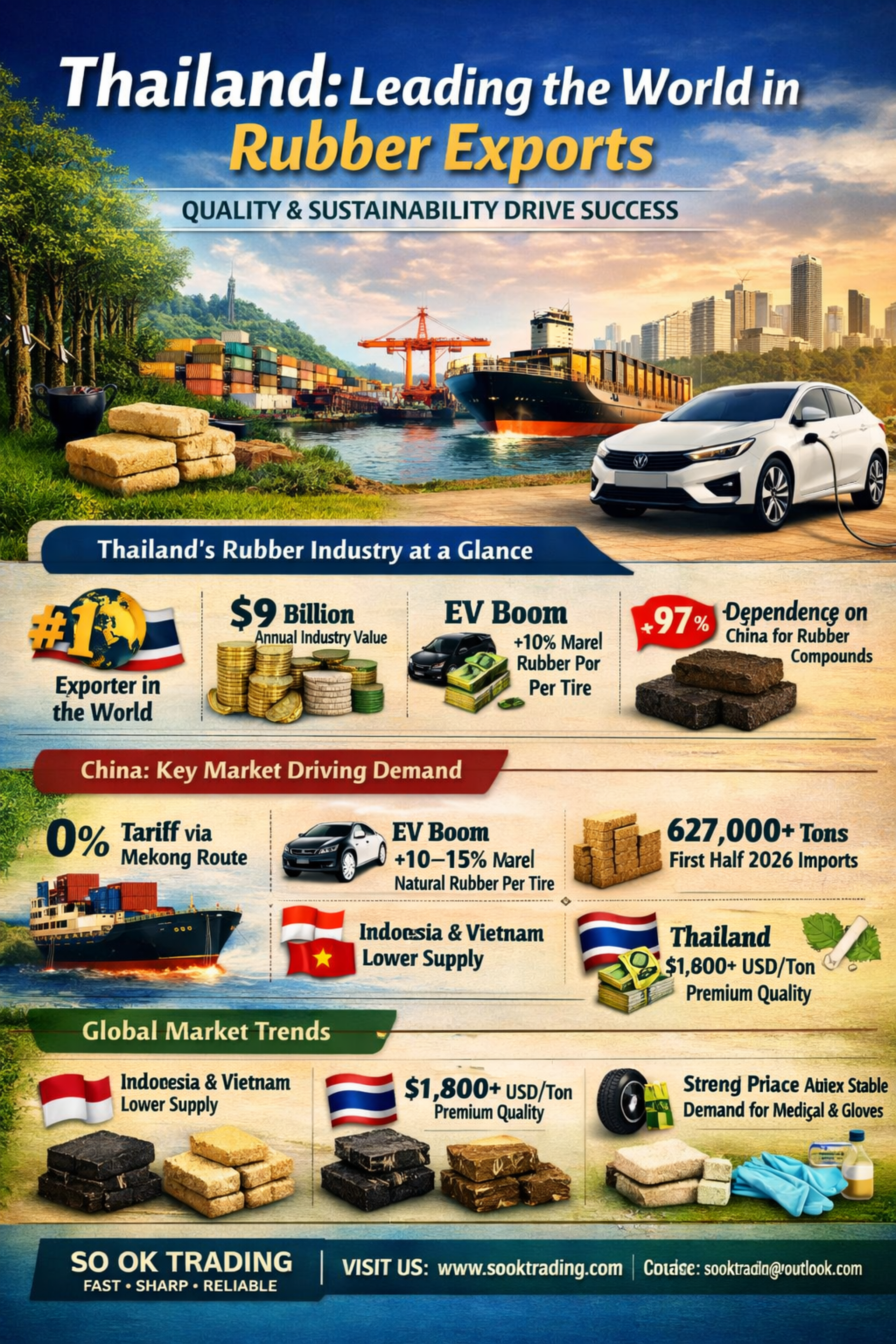
泰国橡胶产业不仅是农业的核心,更是全球经济的重要支柱。产业总值超过9千亿泰铢,占全球市场份额28.6%,稳居世界第一出口国。
尽管全球经济波动,泰国仍凭借 可持续发展标准(EUDR) 与 电动车(EV)需求 的新优势,持续扩大天然橡胶的市场空间。
中国市场:改变游戏规则的最大客户
湄公河航线零关税政策:泰国成功将天然橡胶进口关税从20%降至0%,目标是每月出口超过1万吨。
STR20是主角:2025年上半年,中国从泰国进口超过62.7万吨STR20,因其质量稳定、价格合理而备受青睐。
全球最大的EV市场:电动车轮胎需要比普通轮胎多10–15%的天然橡胶,且磨损速度快20%,替换需求大幅增加。
风险:泰国混合橡胶出口97%依赖中国,一旦中国经济放缓,泰国将直接受到影响。
全球市场:竞争与变化
印尼:因橡胶树病害导致产量下降,价格略低于泰国。
越南:低价是优势,但在中国市场份额逐渐被泰国和科特迪瓦夺走。
泰国:平均价格超过1800美元/吨,但因国际标准和可持续性而被视为高端产品。
供应短缺:ANRPC预测全球供应不足将持续至2031年,EV需求推动价格保持高位。
橡胶价格趋势
连续6年供应不足,价格保持强势。
泰国成本较高,但凭借质量和标准保持竞争力。
印尼和越南价格较低,但在中国市场份额下降。
2026–2027年:受EV需求和绿色标准推动,价格将维持高位。
橡胶需求前景(2026–2027年)
STR20橡胶:年均增长0.6–1.6%,用于汽车轮胎和工业输送带。
混合橡胶:年均增长2.3–3.3%,尤其在中国的EV轮胎市场。
浓缩乳胶:在医疗和手套产业保持稳定需求。
RSS片胶:因STR20质量更均一,预计下降1.1–2.1%。
✨ 总结
泰国依然是全球第一供应国,但必须智慧地调整战略——以 绿色优势(Green Advantage) 和国际标准为武器,在EV和高科技产业市场中继续巩固领导地位,确保在全球橡胶产业中的长期霸主地位。
SO OK TRADING : FAST • SHARP • RELIABLE 官网: WWW.SOOKTRADING.COM 邮箱: sooktrading@outlook.com Facebook: SO OK TRADING
泰国橡胶产业不仅是农业的核心,更是全球经济的重要支柱。产业总值超过9千亿泰铢,占全球市场份额28.6%,稳居世界第一出口国。
尽管全球经济波动,泰国仍凭借 可持续发展标准(EUDR) 与 电动车(EV)需求 的新优势,持续扩大天然橡胶的市场空间。
中国市场:改变游戏规则的最大客户
湄公河航线零关税政策:泰国成功将天然橡胶进口关税从20%降至0%,目标是每月出口超过1万吨。
STR20是主角:2025年上半年,中国从泰国进口超过62.7万吨STR20,因其质量稳定、价格合理而备受青睐。
全球最大的EV市场:电动车轮胎需要比普通轮胎多10–15%的天然橡胶,且磨损速度快20%,替换需求大幅增加。
风险:泰国混合橡胶出口97%依赖中国,一旦中国经济放缓,泰国将直接受到影响。
全球市场:竞争与变化
印尼:因橡胶树病害导致产量下降,价格略低于泰国。
越南:低价是优势,但在中国市场份额逐渐被泰国和科特迪瓦夺走。
泰国:平均价格超过1800美元/吨,但因国际标准和可持续性而被视为高端产品。
供应短缺:ANRPC预测全球供应不足将持续至2031年,EV需求推动价格保持高位。
橡胶价格趋势
连续6年供应不足,价格保持强势。
泰国成本较高,但凭借质量和标准保持竞争力。
印尼和越南价格较低,但在中国市场份额下降。
2026–2027年:受EV需求和绿色标准推动,价格将维持高位。
橡胶需求前景(2026–2027年)
STR20橡胶:年均增长0.6–1.6%,用于汽车轮胎和工业输送带。
混合橡胶:年均增长2.3–3.3%,尤其在中国的EV轮胎市场。
浓缩乳胶:在医疗和手套产业保持稳定需求。
RSS片胶:因STR20质量更均一,预计下降1.1–2.1%。
✨ 总结
泰国依然是全球第一供应国,但必须智慧地调整战略——以 绿色优势(Green Advantage) 和国际标准为武器,在EV和高科技产业市场中继续巩固领导地位,确保在全球橡胶产业中的长期霸主地位。
SO OK TRADING : FAST • SHARP • RELIABLE 官网: WWW.SOOKTRADING.COM 邮箱: sooktrading@outlook.com Facebook: SO OK TRADING


Related Content
SO OK TRADING — 非铁金属行业的真正领导者
LAST MILES SUPPLY: 铝锭 P1020 在泰国
2026年9月5日
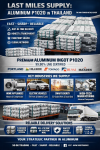
在工业时代,每一秒都至关重要。“最后一公里供应”是将高品质原材料送达最终工厂的关键时刻,确保生产线持续运转并保持最高效率。
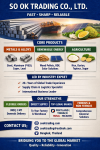
SO OK TRADING CO., LTD. 是非铁金属行业的真正领导者,专注于销售 铝锭 P1020 (99.70% LME 注册品牌)。该产品已获得 伦敦金属交易所 (LME) 认证,并在全球市场广受认可。
我们致力于提供高端品质的产品,配合快速、精准、透明的服务,为客户在生产的每一个环节带来信心。
凭借四大优势 — FAST • SHARP • RELIABLE, HONEST & TRANSPARENT VALUE, PAIN POINT SOLVER, GLOBAL NETWORK — SO OK TRADING 成为泰国及海外工厂信赖的战略合作伙伴。
我们在泰国设有仓库,能够支持 2 吨至 25 吨 的运输。所有运输均遵循 Safety First Logistics 理念,确保安全并准时交付。
在全球迈向清洁能源与绿色经济的时代,SO OK TRADING 的铝锭 P1020 是实现可持续、坚固且高效生产的最佳答案。
SO OK TRADING : FAST • SHARP • RELIABLE
您在非铁金属行业的商业伙伴
5 Sept 2026
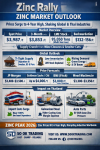
「Zinc Rally 2026:锌价飙升至四年来最高点,撼动全球产业链与泰国」
2026年成为全球锌市场的重要转折点。价格飙升至四年来的最高水平,受主要矿山停产和冶炼费史上首次为负的影响,供应极度紧张。这一局面引发了全球市场的空头回补(Short Squeeze),不仅震动了金属市场,也对几乎100%依赖进口的泰国下游产业造成了结构性冲击。
在LME市场,即期结算价达到 3,987美元/吨,三个月期合约价为 3,853美元/吨,库存降至 95,050吨,创下数月来最低水平。市场呈现严重的现货升水(Backwardation),即期与三个月期合约价差高达 132–156美元/吨。
推动因素来自于清洁能源、绿色基础设施和电动汽车(EV)的新需求。同时,全球生产商必须应对环境压力和欧洲的CBAM(碳边境调节机制),加速采用绿色锌(Green Zinc)和再生锌。
在泰国,镀锌钢材和汽车零部件产业面临显著的成本上升,但这也带来了机遇,例如开发ZAM(锌-铝-镁合金)等新材料技术,以及利用替代材料来支持绿色经济转型。
SO OK TRADING
您在全球金属市场的商业伙伴
FAST • SHARP • RELIABLE
26 Aug 2026
