Aluminium Packaging: Passport to Global Sustainability From Thailand to the World: Aluminium is the Key to Net Zero Article by SO OK TRADING
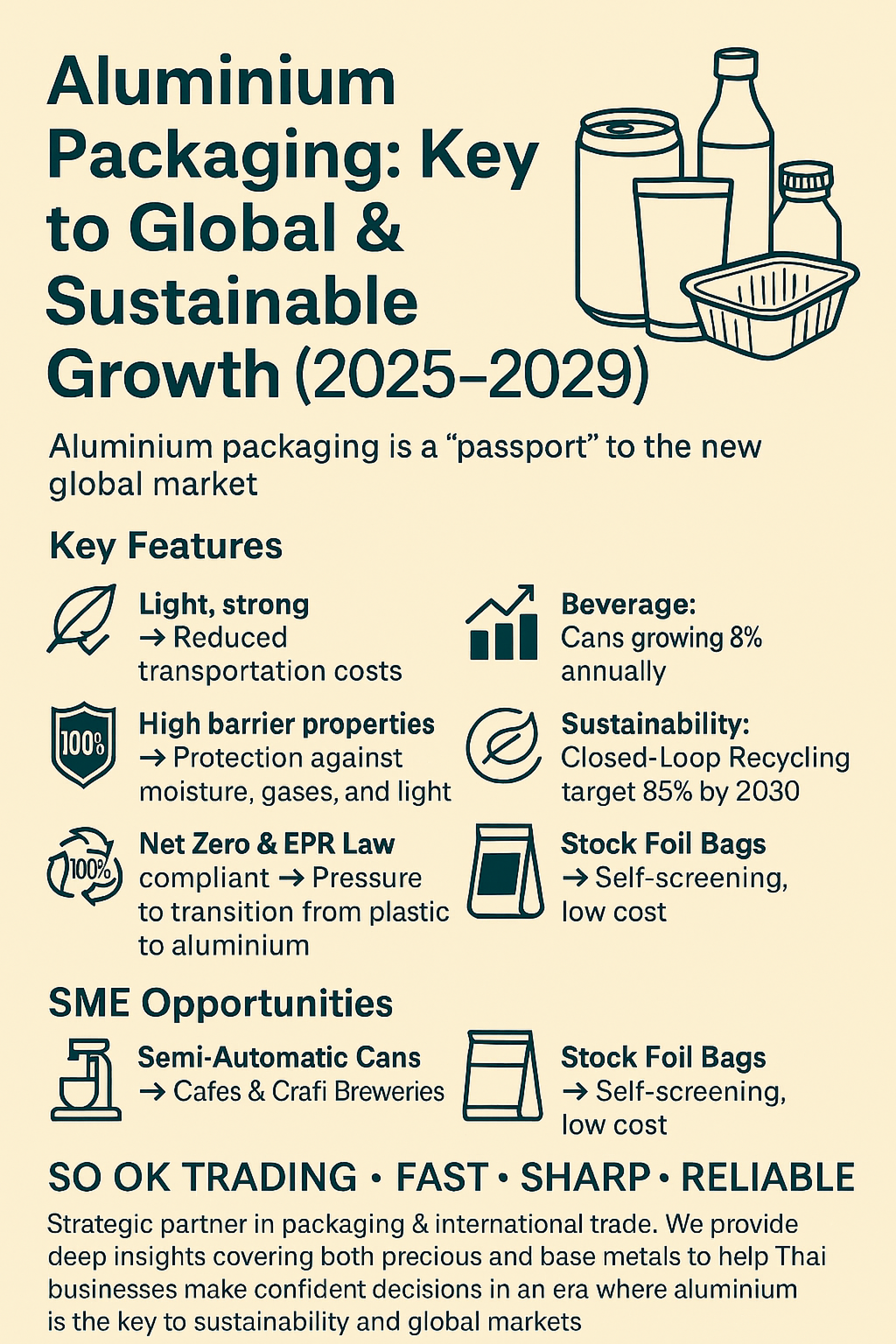
Aluminium Packaging: In‑Depth Overview and Business Opportunities in Thailand (2025–2029)
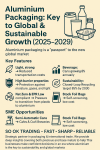
Key Features
Lightweight & Strong → Lower transport costs and easier handling
High Barrier Properties → Nearly 100% protection against moisture, gases, light, and odors
Corrosion Resistant → Suitable for seafood and salt‑rich products
Heat Resistant & Conductive → Ideal for ready‑to‑eat meals and sterilization processes
Nearly 100% Recyclable → Can be reused multiple times without loss of quality
Types of Packaging
Cans → Soft drinks, beer, canned food
Foil Bags & Sachets → Coffee, snacks, cosmetics
Foil Containers → Delivery meals, frozen food
Tubes → Creams, lotions, toothpaste
Caps & Seals → Preserve freshness, prevent leakage
Thai Market Trends
Beverage Segment
Aluminium dominates 74.2% of the metal packaging market (2025)
Beverage revenue share: 41.9%
Can market growing at 8% CAGR (2025–2033)
Shift from PET to aluminium accelerating
Food Segment
Premium exports and pet food increasingly use aluminium
Foil trays and containers growing at 4.05% CAGR
Ready‑to‑eat and delivery services drive demand
Sustainability
Closed‑Loop Recycling: 85% target by 2030
Downgauging: thinner materials to reduce resources and carbon footprint
EPR Law: Producer responsibility legislation effective 2026 → pressure to replace plastics with aluminium
Challenges
High raw material costs
Import tariffs may affect exports
Key Players in Thailand
Next Can Innovation, SWAN, BCM → Beverage cans and closures for energy drinks, beer, etc.
Thai Beverage Can (TBC) → Market leader in beverage cans
Carabao Group (APG) → Can manufacturing for export markets
Nikkei Siam Aluminium / UACJ Thailand → Aluminium foil and sheets for food and pharmaceuticals
Technology & Innovation
Digital Printing on Cans → Seasonal marketing & small batch runs
Specialty Inks → Embossed inks, thermochromic inks
HD Printing → Realistic visuals for premium branding
Opportunities for SMEs
Semi‑Automatic Cans → Suitable for cafés & craft breweries
Stock Foil Bags → Easy self‑printing, low‑cost branding
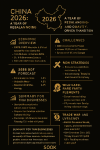
Future Directions (2026–2029)
Materials: Aluminium replacing tinplate
Production: Low‑carbon processes & clean energy
Design: Premiumization & portion control
Exports: Canned tuna & processed fruits remain key
Logistics: Slim/Sleek cans save space → lower carbon footprint
Net Zero: Aluminium is the top choice due to low hidden environmental costs
SO OK TRADING: FAST • SHARP • RELIABLE
Strategic partner in packaging & international trade
SO OK TRADING not only specializes in commodity market analysis but also delivers cutting‑edge strategic insights across both precious and base metals. We empower Thai investors and entrepreneurs to make confident decisions in an era where aluminium packaging is the gateway to sustainability and global markets.