RDF3 — From Waste Fuel to the New Hero of Clean Energy and Carbon Credits in Industry
Last updated: 10 Jan 2026
3728 Views
RDF3 Waste Fuel: The New Hero of Clean Energy
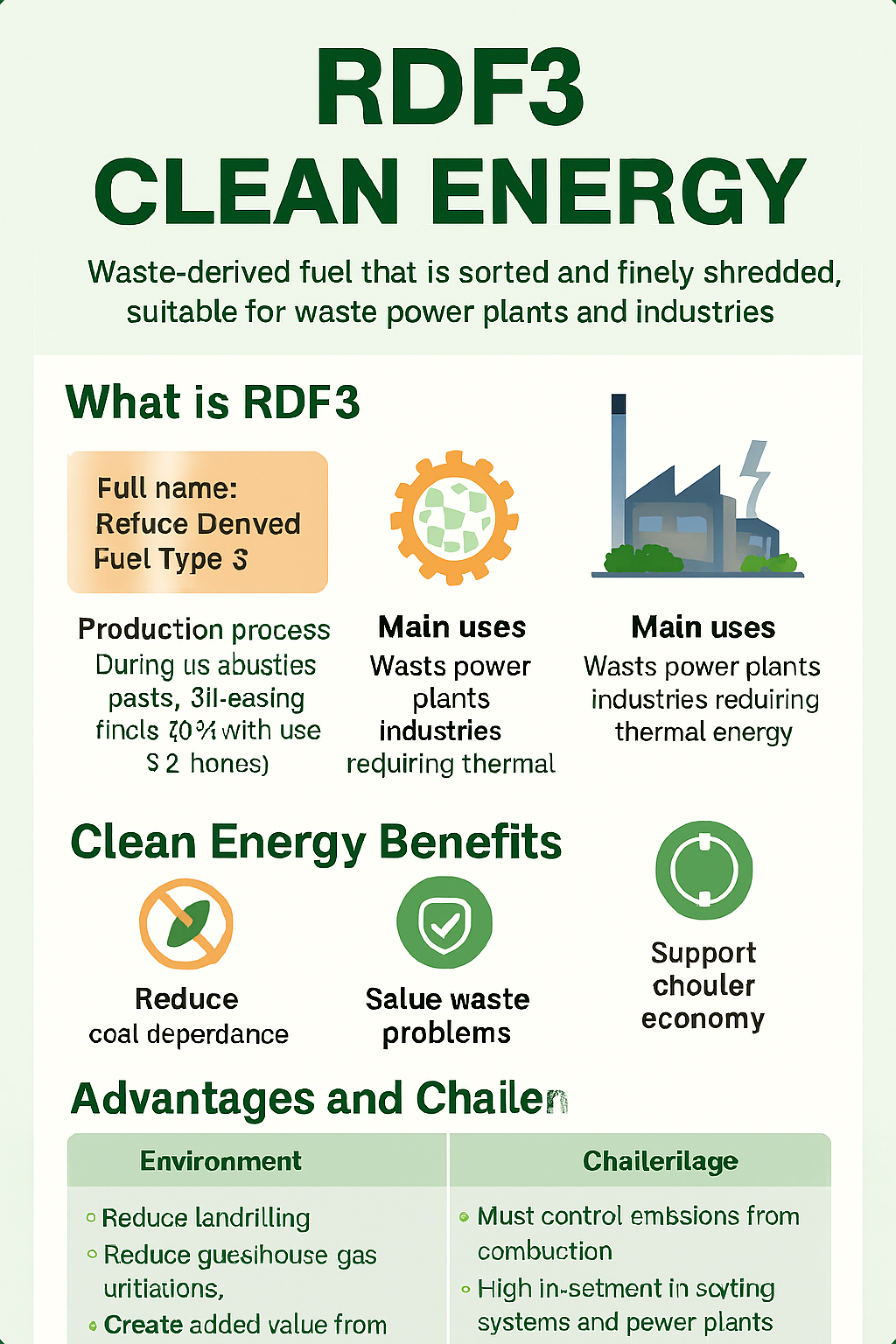
RDF3 (Fluff RDF) is a waste-derived fuel that has been sorted and finely shredded so that more than 95% of the material is smaller than 2 inches. It is suitable for waste-to-energy power plants and industries requiring thermal energy. RDF3 is considered one of the clean energy alternatives that reduces reliance on coal while addressing Thailand’s municipal waste problem.
What is RDF3?
Full name: Refuse Derived Fuel type 3 (Fluff RDF)
Production process:
Sorting combustible municipal waste
Shredding or cutting until 95% is < 2 inches
Reducing moisture to increase calorific value and improve transport efficiency
Main applications:
Waste-to-energy power plants (stoker boilers)
Industries requiring thermal energy such as cement, paper, and metals
Clean Energy Advantages
Reducing coal dependency: RDF3 can replace fossil fuels in industry, lowering CO₂ emissions and meeting EU CBAM requirements
Solving waste problems: RDF3 transforms non-recyclable waste into energy instead of landfill
Supporting circular economy: Waste is reused as energy, aligning with circular economy principles
RDF Market Trends in Thailand
By 2025: RDF market expected to grow 6.3% to reach 1.8 billion THB
Electricity sector: About 61% of RDF is used for power generation, with 9.9% growth
Government support: Policies encourage waste-to-energy plants and purchase of RDF electricity at higher rates than solar and wind
Benefits of RDF3
Environmental: Reduces landfill, mitigates global warming, and lowers greenhouse gas emissions
Economic: Creates added value from waste, reduces fossil fuel and coal costs, and supports a green society
Future Applications of RDF3
Market growth: Expected 6.3% increase, reaching 1.8 billion THB by 2025
Electricity sector: 61% of RDF used for power generation, average growth 9.9%
Industrial demand: Cement and other industries expected to grow 1.1%
Industrial applications:
Power plants: Biomass energy growth driven by demand for green energy and carbon credits
Thermal industries: RDF3 use in boilers continues to expand, reducing coal reliance and supporting CBAM compliance
Waste management: RDF is a key option for reducing waste, building a circular economy and sustainable value chain
Drivers and Limitations
✅ Drivers
Government policies supporting waste-to-energy and RDF use
CBAM measures pushing industries to reduce coal consumption
Circular economy concepts promoting RDF utilization
⚠️ Limitations
Uncertainty in electricity purchase rates
High RDF production costs
Strict pollution control required during combustion
Final Note from SO OK TRADING
RDF3 represents a golden opportunity for businesses seeking clean energy and sustainable waste management. It is especially valuable for industries aiming to reduce coal dependency and comply with global environmental standards.
SO OK TRADING can supply high-quality RDF3 with strong calorific value, helping expand the alternative energy market while enhancing your company’s image as a truly responsible green enterprise.
For inquiries (especially regarding applications in Thailand), please contact SO OK TRADING. We can provide premium RDF3 as an alternative energy source for your operations. Thank you.
RDF3 (Fluff RDF) is a waste-derived fuel that has been sorted and finely shredded so that more than 95% of the material is smaller than 2 inches. It is suitable for waste-to-energy power plants and industries requiring thermal energy. RDF3 is considered one of the clean energy alternatives that reduces reliance on coal while addressing Thailand’s municipal waste problem.
What is RDF3?
Full name: Refuse Derived Fuel type 3 (Fluff RDF)
Production process:
Sorting combustible municipal waste
Shredding or cutting until 95% is < 2 inches
Reducing moisture to increase calorific value and improve transport efficiency
Main applications:
Waste-to-energy power plants (stoker boilers)
Industries requiring thermal energy such as cement, paper, and metals
Clean Energy Advantages
Reducing coal dependency: RDF3 can replace fossil fuels in industry, lowering CO₂ emissions and meeting EU CBAM requirements
Solving waste problems: RDF3 transforms non-recyclable waste into energy instead of landfill
Supporting circular economy: Waste is reused as energy, aligning with circular economy principles
RDF Market Trends in Thailand
By 2025: RDF market expected to grow 6.3% to reach 1.8 billion THB
Electricity sector: About 61% of RDF is used for power generation, with 9.9% growth
Government support: Policies encourage waste-to-energy plants and purchase of RDF electricity at higher rates than solar and wind
Benefits of RDF3
Environmental: Reduces landfill, mitigates global warming, and lowers greenhouse gas emissions
Economic: Creates added value from waste, reduces fossil fuel and coal costs, and supports a green society
Future Applications of RDF3
Market growth: Expected 6.3% increase, reaching 1.8 billion THB by 2025
Electricity sector: 61% of RDF used for power generation, average growth 9.9%
Industrial demand: Cement and other industries expected to grow 1.1%
Industrial applications:
Power plants: Biomass energy growth driven by demand for green energy and carbon credits
Thermal industries: RDF3 use in boilers continues to expand, reducing coal reliance and supporting CBAM compliance
Waste management: RDF is a key option for reducing waste, building a circular economy and sustainable value chain
Drivers and Limitations
✅ Drivers
Government policies supporting waste-to-energy and RDF use
CBAM measures pushing industries to reduce coal consumption
Circular economy concepts promoting RDF utilization
⚠️ Limitations
Uncertainty in electricity purchase rates
High RDF production costs
Strict pollution control required during combustion
Final Note from SO OK TRADING
RDF3 represents a golden opportunity for businesses seeking clean energy and sustainable waste management. It is especially valuable for industries aiming to reduce coal dependency and comply with global environmental standards.
SO OK TRADING can supply high-quality RDF3 with strong calorific value, helping expand the alternative energy market while enhancing your company’s image as a truly responsible green enterprise.
For inquiries (especially regarding applications in Thailand), please contact SO OK TRADING. We can provide premium RDF3 as an alternative energy source for your operations. Thank you.




Tags :
Related Content

Metal Market Outlook 2026–2030: Lead Steady, Antimony Rising, Lead–Antimony Alloy Demand Remains Strong
The year 2026 marks a pivotal turning point for the global metal market. Both base metals and strategic metals clearly reflect the new decade’s economic and energy landscape.
Lead (Pb) remains a stable metal, playing a crucial role in backup energy systems and the digital industry.
Meanwhile, Antimony (Sb) has become a strategic mineral under global scrutiny, driven by China’s supply control and geopolitical factors.
Additionally, Lead–Antimony Alloy (Antimonial Lead Alloy) continues to be indispensable in specialized industries, ranging from industrial batteries to ammunition and chemical applications.
Between 2026 and 2030, these metals will embody three defining themes: Stability – Power – Necessity.
Lead represents stability, Antimony symbolizes power, and Lead–Antimony Alloy signifies necessity — together driving forward the world’s energy and security industries.
SO OK TRADING — Your trusted partner in the Non-Ferrous Metals market from Thailand
FAST • SHARP • RELIABLE
10 Sept 2026
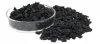
Uses of Coconut Shell Charcoal — Based on the Chinese and Japanese Markets
Chinese Market
According to market data, China is one of the largest importers of coconut shell charcoal. In 2025, import volumes increased significantly, and the average import price rose by more than 75% compared to the previous year. Demand has grown not only from Thailand but also from other major exporters such as Indonesia and Malaysia.
Coconut shell charcoal is in very high demand in China, mainly for:
- Clean energy industries
- Production of Activated Carbon
- Water treatment and air purification
Japanese Market
In Japan, coconut shell charcoal is widely used in both households and industries. It is especially popular in Japanese-style grilling restaurants (Yakiniku, Yakitori, BBQ), which require smokeless charcoal with consistent high heat.
Japan also applies coconut shell charcoal in environmental sectors, including:
- Biochar production → Contributing to carbon sequestration and reduction of greenhouse gas emissions
- Activated Carbon production → Used in water treatment, air purification, and chemical industries
Japan places strong emphasis on clean energy and carbon reduction, which drives high demand for high-quality imports from Thailand and Southeast Asia.
Contact Information
If you are interested in sourcing coconut shell charcoal from Thailand, please contact SOOK TRADING.
We supply high-quality export-grade products for both the Chinese and Japanese markets.
8 Jan 2026
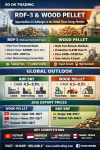
RDF‑3 & Wood Pellet: Opportunities and Challenges in the Global Clean Energy Market
SO OK TRADING | October 7, 2026
As the world accelerates its Energy Transition to achieve the Net Zero Carbon goal, alternative fuels such as RDF‑3 (Refuse Derived Fuel) and Wood Pellet (biomass fuel) have become vital in reducing dependence on coal and heavy fuel oil in both industrial and power generation sectors.
Driven by Thailand’s Net Zero 2065 policy, the Carbon Tax, and the EU’s CBAM (Carbon Border Adjustment Mechanism), businesses worldwide are being compelled to shift decisively toward clean energy — and Thailand is at the forefront of this transformation.
SO OK TRADING sees significant opportunities in the rapidly growing alternative fuel market, both domestically and internationally. In particular, RDF‑3 is well‑suited for waste‑to‑energy plants and cement industries, while Wood Pellet holds strong potential for exports to Japan, South Korea, and Europe.
This is not just a fuel transition — it is the transformation of Thailand’s energy future toward global sustainability
7 Oct 2026
