Wood Pellets — A Clean Energy Source Green Energy for Carbon Credit (BY SOOK TRADING)
Last updated: 8 Jan 2026
3188 Views
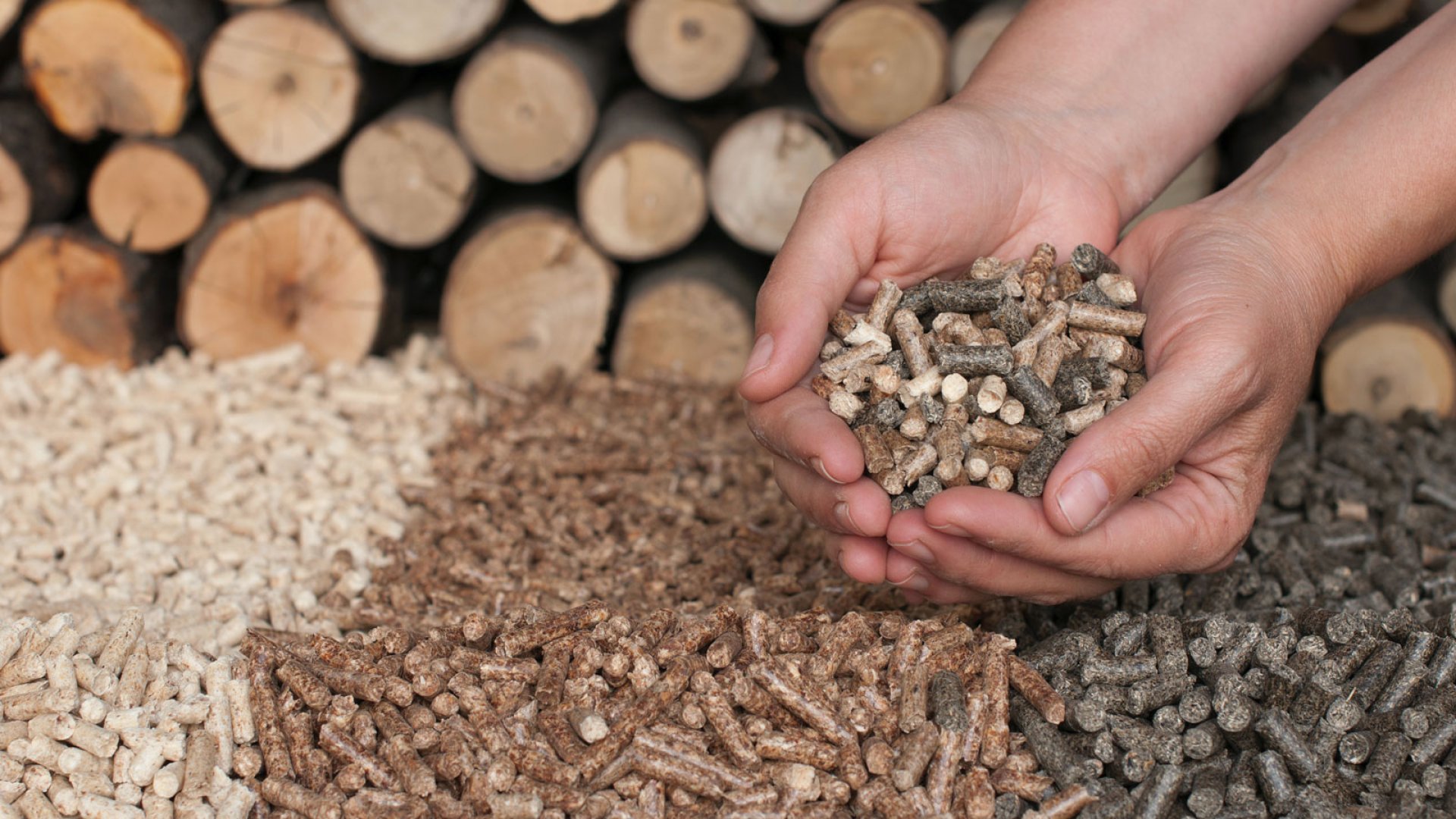
Key Drivers of Global Biomass Fuel Demand Growth
As governments around the world promote renewable energy policies, the global transition from fossil fuels to low-carbon energy sources is accelerating. Japan has set a target to increase the share of renewable energy to 22–24% by 2030, aiming to reduce greenhouse gas emissions and strengthen energy security.
Main Drivers
Sustainability Certification Systems: Programs such as SBP (Sustainable Biomass Program) and GGL (Green Gold Label)
Stable Raw Material Supply: Industries such as paper manufacturing, wood processing, and biomass power generation require consistent and reliable feedstock
Limited Domestic Resources: Domestic biomass sources like construction waste and sawmill residues are insufficient to meet demand
Import Dependency and Diversified Procurement: Imports mainly come from Vietnam and Southeast Asian countries. To mitigate procurement risks, stable supply from multiple countries is essential
Export Potential of Thai Wood Pellets
Thailand is a rapidly growing exporter of wood pellets in Southeast Asia, with Japan and South Korea as its primary markets. Demand is expected to continue rising in 2025–2026, driven by clean energy policies and carbon credit mechanisms.
Contact Us
SOOK TRADING (Thailand) offers stable and reliable wood pellet supply. If you are interested in sourcing, please contact us via:
WeChat / WhatsApp: +66 9555 66352
Facebook: SOOKTRADING
Official Website https://www.sooktrading.com/contact
As governments around the world promote renewable energy policies, the global transition from fossil fuels to low-carbon energy sources is accelerating. Japan has set a target to increase the share of renewable energy to 22–24% by 2030, aiming to reduce greenhouse gas emissions and strengthen energy security.
Main Drivers
Sustainability Certification Systems: Programs such as SBP (Sustainable Biomass Program) and GGL (Green Gold Label)
Stable Raw Material Supply: Industries such as paper manufacturing, wood processing, and biomass power generation require consistent and reliable feedstock
Limited Domestic Resources: Domestic biomass sources like construction waste and sawmill residues are insufficient to meet demand
Import Dependency and Diversified Procurement: Imports mainly come from Vietnam and Southeast Asian countries. To mitigate procurement risks, stable supply from multiple countries is essential
Export Potential of Thai Wood Pellets
Thailand is a rapidly growing exporter of wood pellets in Southeast Asia, with Japan and South Korea as its primary markets. Demand is expected to continue rising in 2025–2026, driven by clean energy policies and carbon credit mechanisms.
Contact Us
SOOK TRADING (Thailand) offers stable and reliable wood pellet supply. If you are interested in sourcing, please contact us via:
WeChat / WhatsApp: +66 9555 66352
Facebook: SOOKTRADING
Official Website https://www.sooktrading.com/contact



Related Content

Wood chip green energy uses sustainably sourced wood waste (branches, thinnings) as a renewable biomass fuel, burning it in boilers to create steam for electricity or direct heat, offering a carbon-neutral alternative to fossil fuels, reducing waste, supporting local forestry, and creating energy security. It's a versatile, cost-effective, and environmentally friendly way to generate heat and power while promoting responsible forest management.
How it works
Harvesting: Chips are made from forestry residues, tree thinnings, and wood processing waste.
Combustion: Chips are fed into a boiler, creating hot steam.
Power Generation: Steam turns turbines to generate electricity or provides direct heat for homes, businesses, and industrial processes.
Key benefits
Renewable & Sustainable: Replenished through managed forests.
Carbon Neutral: Trees absorb CO2 as they grow, balancing emissions from burning.
Reduces Waste: Utilizes byproducts that would otherwise go to landfills.
Cost-Effective: Often cheaper than oil or gas.
Energy Security: Decreases reliance on imported fossil fuels.
Supports Local Economies: Creates jobs in forestry and biomass sectors.
Applications
Biomass power plants for electricity.
District heating systems (e.g., for communities).
Heating for homes, commercial buildings, and industrial facilities.
Landscaping mulch or play area surfacing
24 Dec 2025

SO OK TRADING CO., LTD.
October 3, 2026 — 4.5 Million Visitors to WWW.SOOKTRADING.COM
FAST • SHARP • RELIABLE
3 Oct 2026
“Alternative Fuels to Replace Coal – Clean Energy Transforming the World and Unlocking New Opportunities for Thailand”
by SO OK TRADING : 5 July 2026
5 Jul 2026
