Coconut Shell Charcoal Growing Demand from China and Japan BY SOOK TRADING
Last updated: 8 Jan 2026
3485 Views
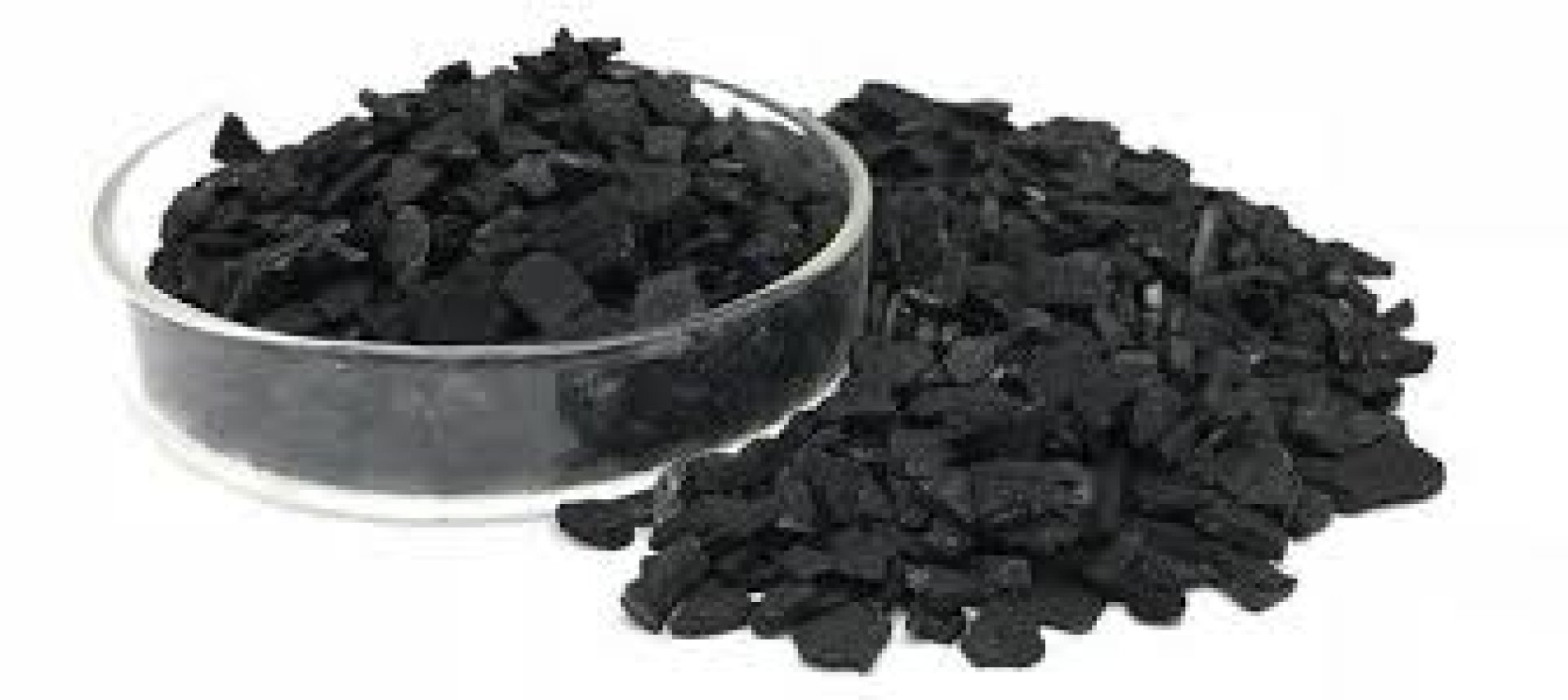
Role of China in the Industry
China is one of the world’s largest producers and users of Activated Carbon, processing coconut shell charcoal and coal into high-value products. Activated Carbon is widely applied in petrochemical industries, wastewater treatment, and air purification. In addition, China is developing innovative applications such as battery materials and advanced filtration systems, reflecting its strong demand for high-quality carbon materials.
Main Applications in China
Activated Carbon: Water filtration, air purification, chemical industries
Energy & Technology: Batteries and energy storage systems, advanced filtration materials → strong future demand
Role of Japan in the Industry
Japan widely uses coconut shell charcoal in restaurants and households, especially for Yakiniku, Yakitori, and BBQ, due to its high heat, long burning time, and smokeless properties—ideal for urban restaurants.
In the energy and environmental sector, Japan applies Pyrolysis technology to produce Biochar from coconut shells, which helps with carbon sequestration and reducing greenhouse gas emissions. Japan also produces Activated Carbon for water filtration, air purification, and chemical industries.
Main Applications in Japan
Activated Carbon: Water filtration, air purification, chemical industries
Biochar: Carbon sequestration, clean energy → growing trend in Japan
Food Service & Household: Yakiniku, Yakitori, BBQ → strong demand in premium restaurant sector
Strategic Summary
China → Focus on supplying high-quality coconut shell charcoal for Activated Carbon and industrial filtration, with long-term contracts to reduce price volatility.
Japan → Focus on premium branding, OEM partnerships, and eco-friendly marketing (Biochar, Net Zero initiatives).
Contact SOOK TRADING
If you are interested in importing coconut shell charcoal from Thailand, please contact SOOK TRADING.
Minimum order: 25 tons
High-quality charcoal according to specifications at competitive prices
Continuous export experience to China and Japan
Contact Channels:
Facebook Page: SOOK TRADING
Website: https://www.sooktrading.com/contact
WhatsApp: +66 955566352
WeChat: +66 955566352
China is one of the world’s largest producers and users of Activated Carbon, processing coconut shell charcoal and coal into high-value products. Activated Carbon is widely applied in petrochemical industries, wastewater treatment, and air purification. In addition, China is developing innovative applications such as battery materials and advanced filtration systems, reflecting its strong demand for high-quality carbon materials.
Main Applications in China
Activated Carbon: Water filtration, air purification, chemical industries
Energy & Technology: Batteries and energy storage systems, advanced filtration materials → strong future demand
Role of Japan in the Industry
Japan widely uses coconut shell charcoal in restaurants and households, especially for Yakiniku, Yakitori, and BBQ, due to its high heat, long burning time, and smokeless properties—ideal for urban restaurants.
In the energy and environmental sector, Japan applies Pyrolysis technology to produce Biochar from coconut shells, which helps with carbon sequestration and reducing greenhouse gas emissions. Japan also produces Activated Carbon for water filtration, air purification, and chemical industries.
Main Applications in Japan
Activated Carbon: Water filtration, air purification, chemical industries
Biochar: Carbon sequestration, clean energy → growing trend in Japan
Food Service & Household: Yakiniku, Yakitori, BBQ → strong demand in premium restaurant sector
Strategic Summary
China → Focus on supplying high-quality coconut shell charcoal for Activated Carbon and industrial filtration, with long-term contracts to reduce price volatility.
Japan → Focus on premium branding, OEM partnerships, and eco-friendly marketing (Biochar, Net Zero initiatives).
Contact SOOK TRADING
If you are interested in importing coconut shell charcoal from Thailand, please contact SOOK TRADING.
Minimum order: 25 tons
High-quality charcoal according to specifications at competitive prices
Continuous export experience to China and Japan
Contact Channels:
Facebook Page: SOOK TRADING
Website: https://www.sooktrading.com/contact
WhatsApp: +66 955566352
WeChat: +66 955566352


Related Content
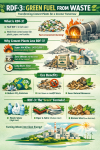
RDF-3: The Waste Fuel Cement Plants Love
From waste to clean energy, cement plants worldwide—including Thailand—are shifting from costly coal to RDF, cutting costs and carbon emissions in a serious way.
RDF-3 (Fluff RDF) is the star of the industry: small size, fast burning, high calorific value, and zero leftover ash.
Global Trends: China, Japan, and South Korea are moving toward premium SRF with advanced smart-sorting technology.
Thailand is catching up fast: Major cement plants target 50–100% RDF usage, backed by “Trash-to-Cement” models and the new TIS RDF standard.
RDF-3 is not just an “alternative fuel” — it’s the fuel of the future, helping cement plants truly go green.
15 Mar 2026
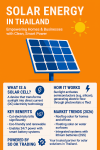
Solar Energy: A New Opportunity for Thai Homes and Businesses
In an era of rising electricity costs and the global shift toward clean energy,
solar panels have become a valuable and sustainable choice for every household and business.
21 Jan 2026
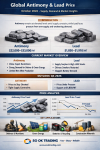
Global Antimony & Lead Price Outlook — October 2026
Supply, Demand, and Strategic Market Insights
By SO OK TRADING | October 1, 2026
In October 2026, the global non‑ferrous metals market reveals two contrasting stories. Antimony remains elevated amid persistent supply constraints and strong demand from defense and clean‑energy sectors, while Lead faces downward pressure from oversupply and slowing battery demand.
This month’s analysis from SO OK TRADING explores the latest price movements, structural drivers, and forward‑looking insights shaping both metals — from China’s export policies to global industrial trends.
Discover how these dynamics define the Q4/2026 outlook, investment opportunities, and strategic implications for manufacturers and traders worldwide.
1 Oct 2026
