“Gold prices keep soaring without limits — will they stop at the universe? BY SO OK TRADING”
Last updated: 13 Jan 2026
4148 Views
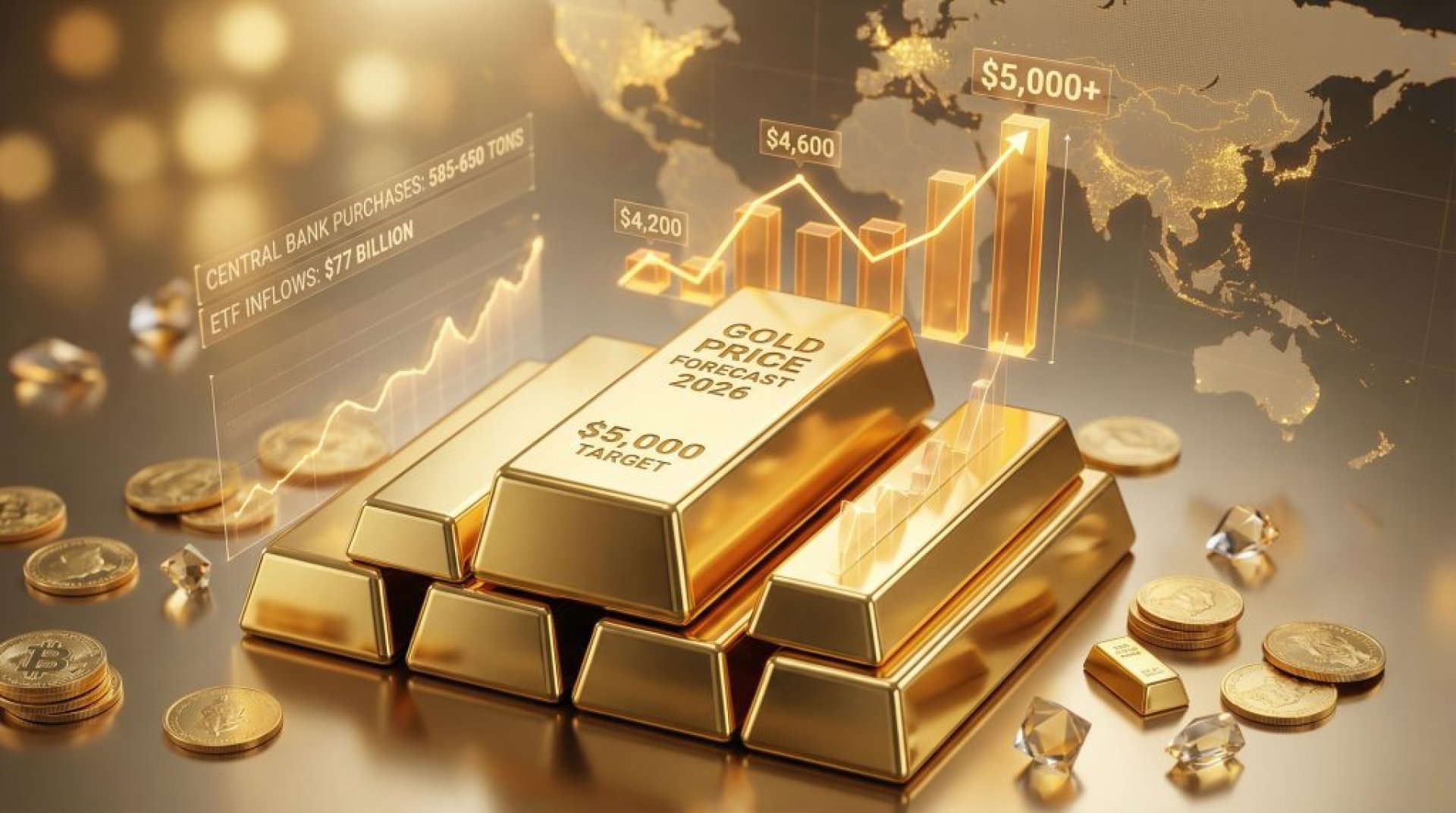
Gold Price Analysis (2015–2025 Trends and Forecast to 2030)
Historical Gold Prices (USD/oz)
2015 – Average ~1,125 USD/oz → Strong US dollar, Fed begins rate hikes
2016 – Average ~1,275 USD/oz → Brexit, rising global economic risks
2017 – Average ~1,290 USD/oz → Strong equity markets, gold relatively stable
2018 – Average ~1,300 USD/oz → US–China trade war begins, market uncertainty increases
2019 – Average ~1,410 USD/oz → Fed rate cuts, economic risks intensify
2020 – Average ~1,815 USD/oz → COVID-19, US QE policy, surge in safe-haven demand
2021 – Average ~1,825 USD/oz → Inflation swings higher, USD weakens, gold begins to rise
2022 – Average ~1,870 USD/oz → Russia–Ukraine war, commodity prices (oil, gold, metals) surge
2023 – Average ~1,985 USD/oz → Global inflation intensifies, Fed continues rate hikes, geopolitical risks persist
2024 – Average ~2,285 USD/oz → Central banks worldwide significantly increase gold purchases (safe-haven asset)
2025 – Average ~3,900 USD/oz → Second wave of inflation, global central banks accumulate gold, de-dollarization trend
Gold Price Outlook (2026–2030)
2026: Goldman Sachs projects ~4,900 USD/oz; other forecasts range ~3,300–3,900 USD/oz
2027–2028: Continued upward trend, potential to reach ~5,500 USD/oz
2029: Strong demand from central banks and investors, price may reach ~6,000–6,500 USD/oz
2030: Conservative forecast places the peak around ~7,200 USD/oz
Positive Drivers
Fed and other central banks expected to cut interest rates
Inflation and global economic uncertainty
Increased gold purchases by central banks (China, India, Russia)
Geopolitical risks, trade policies, rare earth demand in industry
Risk Factors
Rapid global economic recovery with sustained high interest rates → possible gold price correction
US dollar strength or volatility → downward pressure on gold prices
2026 Price Assessment (Probability-Based)
Average forecast: ~4,700 USD/oz
Range: 4,000–5,000 USD/oz
Scenario probabilities:
Base case (45%): 4,500–4,800 USD/oz
Bullish case (35%): 4,800–5,000 USD/oz
Bearish case (20%): 4,200–4,500 USD/oz
Conclusion
Gold prices are expected to remain on an upward trajectory over the next five years. While 2026 may see short-term corrections, the average price is projected around 4,700 USD/oz, with a ceiling near 5,000 USD/oz and a floor around 4,000 USD/oz. By 2030, gold could reach 6,000–7,000 USD/oz, supported by inflationary pressures, monetary easing, and strong central bank demand. Gold remains a critical safe-haven asset and a strategic tool for portfolio diversification.
Would you like me to also prepare a bilingual Thai–English comparison table so you can use it directly in presentations or export documentation?
Historical Gold Prices (USD/oz)
2015 – Average ~1,125 USD/oz → Strong US dollar, Fed begins rate hikes
2016 – Average ~1,275 USD/oz → Brexit, rising global economic risks
2017 – Average ~1,290 USD/oz → Strong equity markets, gold relatively stable
2018 – Average ~1,300 USD/oz → US–China trade war begins, market uncertainty increases
2019 – Average ~1,410 USD/oz → Fed rate cuts, economic risks intensify
2020 – Average ~1,815 USD/oz → COVID-19, US QE policy, surge in safe-haven demand
2021 – Average ~1,825 USD/oz → Inflation swings higher, USD weakens, gold begins to rise
2022 – Average ~1,870 USD/oz → Russia–Ukraine war, commodity prices (oil, gold, metals) surge
2023 – Average ~1,985 USD/oz → Global inflation intensifies, Fed continues rate hikes, geopolitical risks persist
2024 – Average ~2,285 USD/oz → Central banks worldwide significantly increase gold purchases (safe-haven asset)
2025 – Average ~3,900 USD/oz → Second wave of inflation, global central banks accumulate gold, de-dollarization trend
Gold Price Outlook (2026–2030)
2026: Goldman Sachs projects ~4,900 USD/oz; other forecasts range ~3,300–3,900 USD/oz
2027–2028: Continued upward trend, potential to reach ~5,500 USD/oz
2029: Strong demand from central banks and investors, price may reach ~6,000–6,500 USD/oz
2030: Conservative forecast places the peak around ~7,200 USD/oz
Positive Drivers
Fed and other central banks expected to cut interest rates
Inflation and global economic uncertainty
Increased gold purchases by central banks (China, India, Russia)
Geopolitical risks, trade policies, rare earth demand in industry
Risk Factors
Rapid global economic recovery with sustained high interest rates → possible gold price correction
US dollar strength or volatility → downward pressure on gold prices
2026 Price Assessment (Probability-Based)
Average forecast: ~4,700 USD/oz
Range: 4,000–5,000 USD/oz
Scenario probabilities:
Base case (45%): 4,500–4,800 USD/oz
Bullish case (35%): 4,800–5,000 USD/oz
Bearish case (20%): 4,200–4,500 USD/oz
Conclusion
Gold prices are expected to remain on an upward trajectory over the next five years. While 2026 may see short-term corrections, the average price is projected around 4,700 USD/oz, with a ceiling near 5,000 USD/oz and a floor around 4,000 USD/oz. By 2030, gold could reach 6,000–7,000 USD/oz, supported by inflationary pressures, monetary easing, and strong central bank demand. Gold remains a critical safe-haven asset and a strategic tool for portfolio diversification.
Would you like me to also prepare a bilingual Thai–English comparison table so you can use it directly in presentations or export documentation?


Related Content
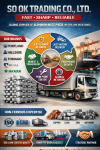
SO OK TRADING CO., LTD.
FAST • SHARP • RELIABLE
Your True Leader in the Non-Ferrous Metals Industry from Thailand
SO OK TRADING is a trusted pioneer in international trade of Non-Ferrous Metals, specializing in the sourcing and export of high-quality industrial metals. Our flagship product, Aluminum Ingot P1020 (99.70% LME Registered Brand), is certified by the London Metal Exchange (LME) and recognized worldwide for its reliability and excellence.
⚙️ Our Core Products
Aluminum Ingot P1020
Trusted LME Registered Brands:
PORTLAND
HILLSIDE
TOMACO
RUSAL
MA’ADEN
Each brand represents 99.70% pure LME-certified aluminum ingots, tested and approved by world-class smelters, ready to serve diverse industries from packaging and casting to advanced production lines.
2 Jul 2026

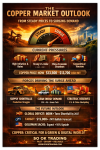
Copper: The Silence Before the Storm
When AI and Clean Energy Shake the Global Market
12 Jun 2026
