ALUMINUM SCRAP THAILAND SUMMARY
Aluminum Recycled in Thailand
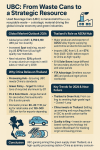
hailand presents significant aluminum scrap opportunities due to its role as a major ASEAN processing hub, high import volumes (especially from the US), strong local manufacturing demand (automotive, electronics), and a growing focus on recycling for sustainability, with potential for suppliers in UBCs, wheels, and industrial scrap, though regulations are tightening. Key opportunities lie in supplying raw scrap to domestic smelters for ADC12 alloy production, catering to the automotive sector, and leveraging Thailand's strategic location for regional trade, but expect strict quality control and compliance.
Key Opportunities
Processing Hub: Thailand is a leading scrap processing center in ASEAN, transforming scrap into valuable alloys like ADC12 for industries.
High Demand: Significant import volumes indicate massive local consumption, especially from the US, driven by manufacturing.
Industry Focus: Strong demand from automotive, electronics, and construction sectors for recycled aluminum.
Strategic Location: Ideal for refining and re-exporting, serving as a hub replacing China's role in US scrap trade.
Recycling Growth: Government support and consumer interest in recycling create a robust supply chain for materials like aluminum cans (UBCs).
Types of Scrap in Demand
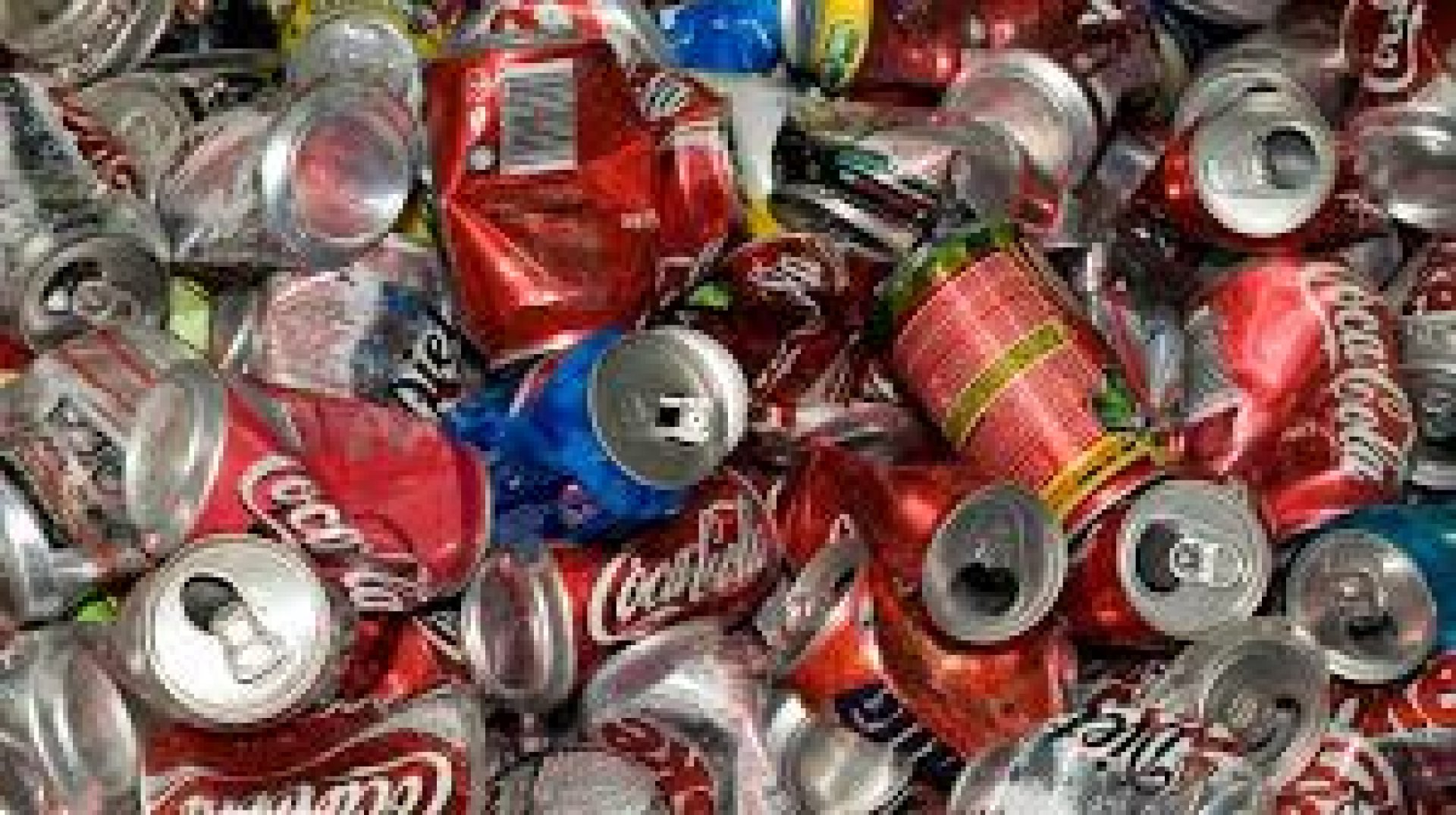
UBCs (Used Beverage Cans): High demand for clean, sorted UBC scrap.
Auto Parts: Wheels, extrusions, and other aluminum components from the thriving auto industry.
Industrial Scrap: Extrusion scrap, sheet scrap, and general factory offcuts.
How to Get Involved
Connect with Processors: Contact local alloy factories and large scrap yards (e.g., www.metalscrapthailand.com, miracleintertrade.co.th, alcircle.com/news/thailand-seeks-to-strengthen-us-trade-ties-by-cutting-tariffs-is-it-aiming-to-grow-as-a-key-aluminium-scrap-hub-amid-chinas-retreat-113790 for buyers/traders).
Focus on Quality: Ensure high purity, sorting, and minimal contamination (oil, dirt) for better prices.
Understand Regulations: Stay updated on Basel Convention compliance and Thai customs rules.
Explore Local Networks: Use platforms like Facebook for sourcing or selling.
Potential Challenges
Tightened Controls: Increased scrutiny on illegal e-waste and scrap imports.
Competition: Thailand is a major player, so quality and consistent supply are crucial.
Future Trend of Aluminum Recycled in Thailand
The future trend for aluminum scrap in Thailand is one of significant growth, driven by a booming domestic demand from the automotive and electronics industries, increased foreign investment in recycling facilities, and a strong government push towards a circular economy.
Key trends shaping the market include:
Soaring Domestic Demand: The market is experiencing a surge in demand, largely due to Thailand's "Detroit of Asia" status and the increasing adoption of electric and hybrid vehicles, which require lightweight aluminum components for improved efficiency and battery enclosures. The expanding electronics and high-tech manufacturing sectors also heavily rely on aluminum for heat dissipation systems and casings.
Dominant Regional Importer: Thailand is a major regional hub for aluminum scrap, leading the ASEAN region in imports. It has emerged as the second-highest importer of U.S. aluminum scrap, highlighting its significant processing capacity.
Shift to Secondary Production: To mitigate its reliance on imported raw materials like bauxite and alumina, the Thai aluminum industry is increasingly turning towards secondary (recycled) aluminum production, which requires significantly less energy.
Technological Integration: The industry is adopting advanced technologies such as artificial intelligence (AI) and automation in scrap recycling to improve the sorting, identification, and quality of recycled alloys, enhancing efficiency and commercial value.
Sustainability and Policy Drivers: Global sustainability goals and the implementation of policies like the EU's Carbon Border Adjustment Mechanism (CBAM) are making low-carbon, recycled aluminum more attractive. The Thai government is also promoting sustainable practices and the circular economy, which is expected to further boost the scrap market.
Foreign Investment: Chinese and Japanese companies, facing domestic production caps and environmental regulations, are increasingly investing in and off-shoring their scrap processing facilities to Southeast Asian countries, including Thailand, to source recycled materials.
The market is poised for robust expansion, with the broader Thai aluminum market projected to grow from USD 5.80 billion in 2023 to over USD 12 billion by 2030.
-----
if interested in supply aluminum scrap from Thailand ,SOOK Trading able to supply aluminum scrap with a reliable quality and competitive price,