Aluminum Scrap, Copper Scrap Usage and it background
Aluminum Scrap Copper Scrap trend usage
Both aluminum and copper scrap are experiencing high demand due to global sustainability pushes and the expansion of electrification, renewable energy, and electric vehicles. Key trends include the substitution of copper with aluminum in some applications and a strong reliance on recycled content to meet supply shortages.
Aluminum Scrap Trends & Usage
The market for aluminum scrap is experiencing significant growth, driven by its lightweight nature, high conductivity, and the substantial energy savings (up to 95%) recycling offers over primary production. Global demand is projected to increase by almost 40% by 2030.
Trends:
High Demand for Recycled Content: Growing concerns over energy consumption and environmental pollution are making recycled aluminum highly attractive for manufacturers.
Copper Substitution: Aluminum is increasingly used as a cost-effective and lighter alternative to copper in applications like heating, ventilation, air conditioning, and refrigeration (HVAC&R) systems and automotive parts.
Technological Advancements: Innovations like Laser-Induced Breakdown Spectroscopy (LIBS) are improving sorting efficiency and purity levels of recycled aluminum, expanding the range of processable scrap.
Export Dynamics: Regions like Southeast Asia have seen record-high imports of aluminum scrap, and there are ongoing discussions in the US regarding potential export bans on certain types of scrap to stabilize domestic supply.
Primary Usages:
Automotive: Used in vehicle bodies and engine components to reduce weight and improve fuel efficiency.
Building & Construction: Utilized for window frames, siding, and structural elements.
Packaging: A staple in beverage cans and other packaging materials due to its infinite recyclability.
Electrical & Electronics: Found in various components, although less common than copper for high-conductivity wiring.
Copper Scrap Trends & Usage
Copper remains one of the most valuable scrap metals, often commanding prices significantly higher than aluminum due to its superior electrical conductivity and durability. The market is currently experiencing strong prices and high demand due to structural supply shortages of primary copper.
Trends:
Supply Constraints: Global refined copper supply growth is expected to lag behind demand, placing a greater emphasis on secondary supply sources (scrap).
Electrification Boom: Rapid growth in electric vehicles (EVs), renewable energy sources, data centers, and grid expansion is a major driver of copper demand.
Policy Support for Circular Economy: Governments are introducing policies to encourage the collection and trade of copper scrap to reduce reliance on virgin materials and meet sustainability goals.
Market Volatility: Prices can fluctuate based on global economic factors and geopolitical developments, with recent surges to multi-year highs reported.
Primary Usages:
Electrical & Electronics: Essential for wiring, cables, transformers, and electronic components due to its excellent conductivity.
Building & Construction: Widely used in plumbing pipes, roofing, and general household wiring.
Industrial Machinery: Used in various industrial equipment and fittings.
Transportation: Key component in automotive applications, particularly in the expanding EV sector.
In summary, both metals are experiencing robust demand as crucial materials for the global energy transition and sustainable development efforts, with the recycling sector playing a critical role in meeting industrial needs.
Aluminum Scrap Copper Scrap type
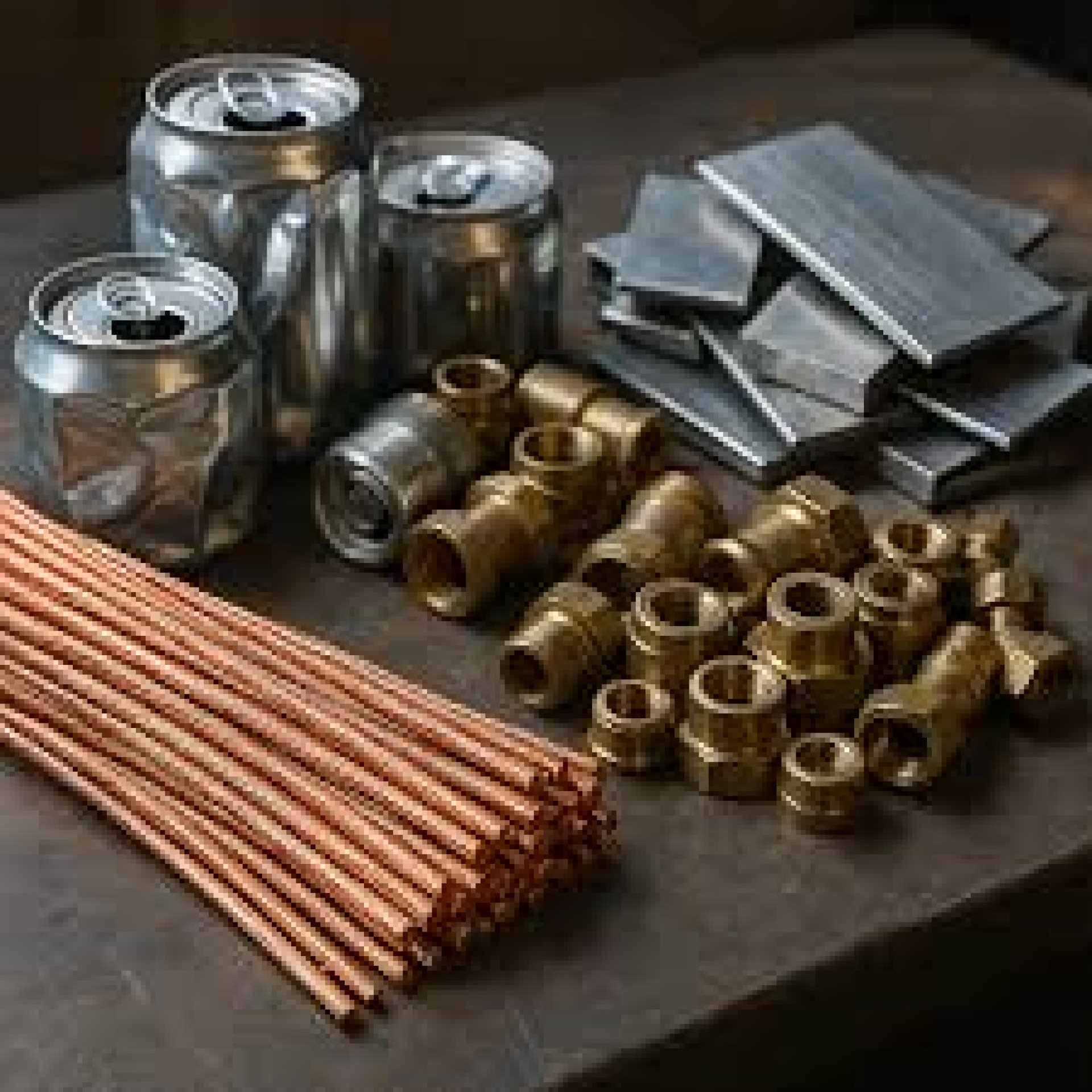
Aluminum and copper scrap are sorted by purity, form, and alloy, with copper grades like Bare Bright, #1, and #2 (reflecting cleanliness/coatings) commanding different prices, while aluminum types range from UBCs (cans) to cast, extrusions, and alloyed wires, all valued based on composition and lack of contaminants. Key is separation: keep copper and aluminum apart, then sort each by grade for maximum value.
Aluminum Scrap Types (Examples)
UBC (Used Beverage Cans): Clean, crushed cans (high value).
Extrusions/Sheet: Siding, gutters, window frames (often 6063 alloy).
Cast Aluminum: Engine blocks, pots (often dirty, lower value).
Auto Rims: Separated from rubber/weights.
Dirty Aluminum: Mixed with steel, plastic, rubber.
Wire/Cable: Separated from copper; specific alloys (e.g., 1/0, 4/0).
Copper Scrap Types (Examples)
Bare Bright: Pure, shiny, stripped copper wire (highest value).
#1 Copper: Clean, unalloyed pipe, bus bars (slight oxidation okay).
#2 Copper: Coated, soldered, or slightly corroded pipes/wire.
Insulated Copper Wire: Value depends on copper-to-insulation ratio.
Copper Alloys: Brass, bronze, contaminated items.
Key Sorting Tips
Separate Ferrous (magnetic) from Non-Ferrous (non-magnetic).
Keep Aluminum and Copper Separate.
Sort Each Metal by Grade (clean/dirty, stripped/insulated).
Aluminum scrap & Copper scrap future trend
Future trends for aluminum and copper scrap point to strong, sustained demand driven by green energy (EVs, renewables) and infrastructure, pushing prices up despite potential short-term dips. Copper faces acute supply shortages, boosting its value significantly, while aluminum's recycling is critical for growing industries, especially in APAC. Expect growth in the recycled copper market (CAGR ~4.2%) and high demand for aluminum scrap as key recyclers focus on sustainability.
Key Drivers for Both Metals:
Decarbonization & Electrification: Massive growth in EVs, wind turbines, solar, and grid upgrades creates huge demand for both copper (wiring) and aluminum (lightweighting, structures).
Infrastructure Spending: Global construction and infrastructure projects rely heavily on these metals, boosting demand for recycled content.
Sustainability & Policy: Government mandates and corporate goals for reduced virgin metal use increase reliance on scrap.
Copper Scrap Trends:
High Value & Shortage: Strong price surges expected due to significant supply deficits from mines, making scrap essential.
Market Growth: The copper scrap market is projected for substantial growth through 2034, with scrap becoming an increasingly dominant source.
Aluminum Scrap Trends:
Versatility: Critical for lightweighting in transport (EVs) and packaging; demand projected to grow.
APAC Dominance: Asia-Pacific is a major hub for aluminum scrap recycling, driven by construction and auto industries.
Market Dynamics:
Supply vs. Demand: High demand with constrained primary supply will generally keep scrap prices elevated.
Energy & Policy: Energy costs affect processing, while government regulations influence primary vs. recycled supply.
In Summary: Hold onto copper for its high value and growing scarcity, while aluminum scrap remains vital for expanding green industries, particularly in Asia, indicating a strong long-term outlook for both.
------------