Share

BIO ENERGY (WOOD CHIP) Green Energy, Future Trend on carbon credit
Last updated: 24 Dec 2025
89 Views

Wood Chip Usage in Thailand

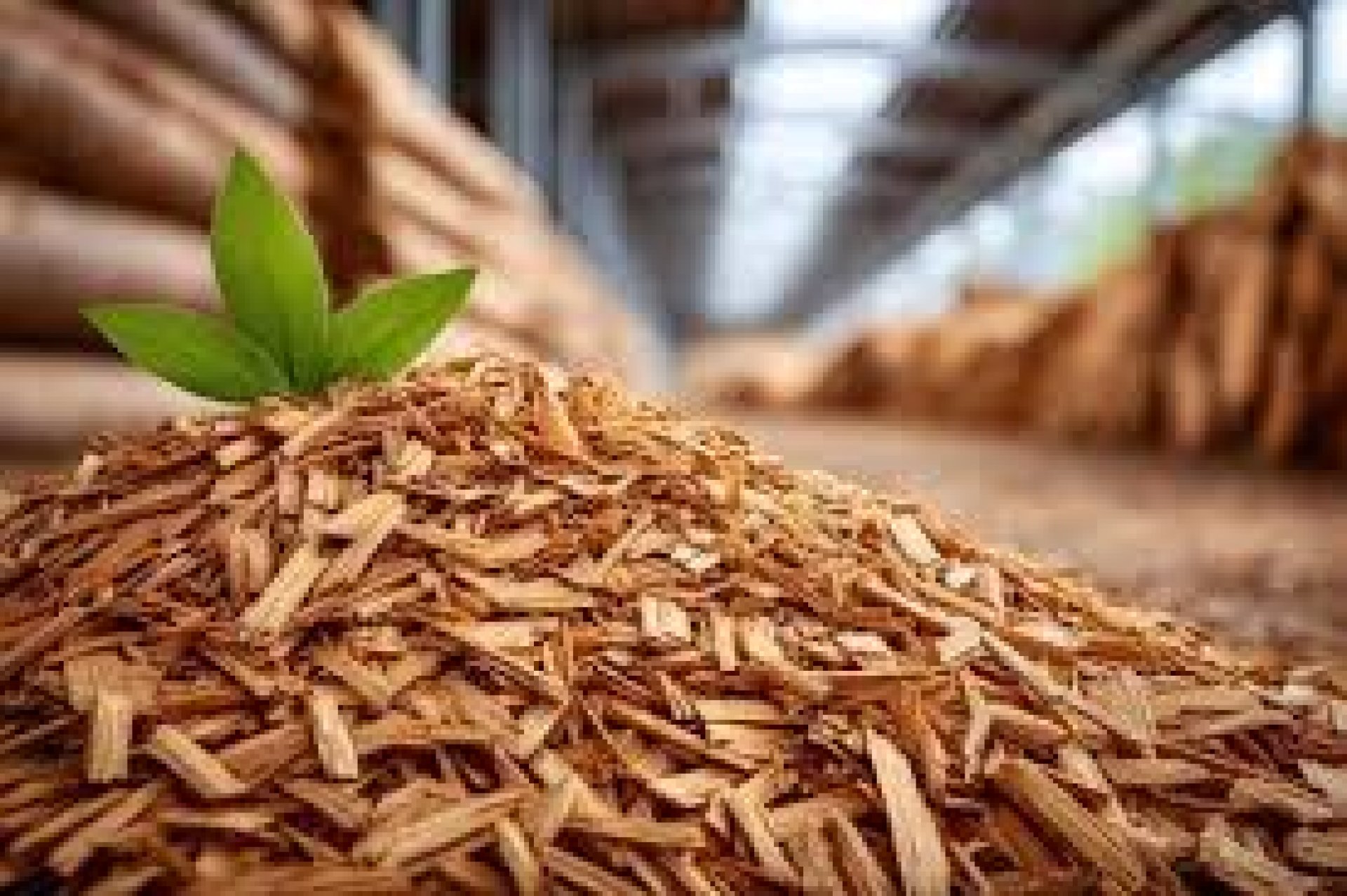
In Thailand, wood chips and pellets are a significant renewable energy source, primarily used in industrial boilers to replace fossil fuels like coal, sourced from agricultural waste (rubberwood, bagasse, rice husks) and fast-growing trees, with the government promoting usage through incentives, though challenges like moisture control, production cost, and supply chain logistics persist for maximizing this sustainable energy transition. 
 
Key Uses & Sources
Industrial Boilers: Wood chips and pellets are used as fuel in factories for heat and power, often mixed with coal or as a complete substitute.
Biomass Power Plants: These plants use various biomass, with wood chips and rubberwood making up a portion of the feedstocks, alongside other agricultural residues.
Feedstock Sources: Common materials include rubberwood, cassava stems, rice husks, sugar cane leaves, and fast-growing trees like Acacia. 
 
Advantages & Benefits
Fossil Fuel Replacement: Reduces reliance on coal and oil, lowering greenhouse gas emissions.
Waste-to-Energy: Utilizes agricultural byproducts and residues, turning waste into valuable energy.
High Efficiency: Pellets offer high density, low moisture, and consistent quality for efficient combustion. 
 
Challenges & Considerations
Moisture Content: High moisture in raw chips (especially during rainy seasons) increases costs for drying and reduces efficiency.
Production Costs: High costs for production and machinery (often imported) can hinder expansion.
Supply Chain: Managing seasonal fluctuations in agricultural supply and ensuring consistent quality remain key issues. 
 
Government Support
Incentives: The Thai government supports using wood pellets for heat by subsidizing boiler upgrades for factories.
Promotion: Encourages fast-growing tree plantations to secure feedstock for domestic use and export. 

Future Trend of Wood Chip Usage in Thailand

The future trend of wood chip usage in Thailand is strongly positive, primarily driven by the biomass energy sector for both domestic use and export, as well as continued use in the pulp and paper industry. Key factors shaping this trend include: 
 

Key Drivers
Government Policies and Renewable Energy Targets: The Thai government actively promotes biomass as a renewable energy source to reduce greenhouse gas emissions and enhance energy security, as outlined in plans like the Alternative Energy Development Plan (AEDP2015).

Cost-Effectiveness: Wood chips and the pellets made from them are a cheaper alternative to imported fossil fuels for industrial heat production.

Abundant Raw Materials: Thailand has a consistent, year-round supply of biomass feedstock from agricultural waste (like rice husks and bagasse) and fast-growing trees such as rubberwood, eucalyptus, and acacia, which are ideal for wood chip production.

Strong Export Demand: There is significant and growing international demand for wood pellets, especially from Japan and South Korea, where they are used for electricity production to meet renewable energy targets. Thailand's exports of wood pellets reached 700,000 tons in 2023, accounting for 58% of total production. 
 
Usage Trends
Biomass Power Generation: The primary growth area is in the use of wood chips and pellets as fuel for biomass power plants, with a projected surge in domestic demand.
Industrial Heat Production: More industrial boilers are expected to switch from fuel oil and firewood to wood pellets and chips due to cost and efficiency benefits.

Pulp and Paper Industry: Wood chips remain a critical raw material for the pulp industry, with a potential shift towards higher-quality hardwood chips like Eucalyptus to improve efficiency and product quality. 
 
Challenges and Opportunities
Certification Requirements: Meeting international sustainability standards, such as the Forest Stewardship Council (FSC) certification required by key export markets like Japan, remains a challenge for small-scale Thai producers.
Technological Advancements: The industry is seeing a trend toward more intelligent and energy-efficient production lines to increase output and reduce consumption.
Supply Chain Management: While feedstock is abundant, efficient logistics and supply chain management, especially for sourcing from smallholders and aggregating materials, needs continuous improvement. 
Overall, the outlook is for a robust and expanding wood chip and pellet market in Thailand, positioning the country as a major player in the Asian bioenergy trade

------

if you have demand on wood chip in Thailand or other country ,Please don't hesitate to let SO OK TRADING know, We can support on supply of woodchip with reliable quality and competitive price


Related Content
ถ่านกะลามะพร้าวคืออะไร ทำไมทางจีนนำเข้าเยอะ ใช้เยอะ By SO OK TRADING
Coconut charcoal is a sustainable, eco-friendly fuel made from carbonized coconut shells, prized for grilling, shisha, and water filtration due to its high heat, long burn time, low ash, and minimal smoke compared to wood charcoal. It's produced by heating shells in an oxygen-deprived environment (pyrolysis) and is compressed into briquettes or used as activated carbon, offering benefits like using agricultural waste and aiding detoxification. Production Source: Discarded coconut shells, a byproduct of the coconut industry. Process (Pyrolysis): Shells are heated to high temperatures (300-500°C) in a limited-oxygen kiln, turning them into charcoal. Forms: Can be crushed and formed into briquettes (cubes/discs) or processed further into activated carbon. Key Benefits & Uses Sustainability: Uses waste, prevents deforestation, renewable. Performance: Burns hotter, longer, cleaner, with less smoke and ash. Versatile Uses: Cooking: BBQ, shisha/hookah. Filtration: Water purification, air deodorization (activated carbon). Health/Beauty: Detoxification (activated charcoal). Agriculture: Ash can be used as fertilizer. Advantages Over Wood Charcoal Longer Burn: A smaller amount goes further. Higher Heat: More efficient for grilling. Eco-Friendly: Doesn't harm trees. Clean Burning: Less smoke and odor.
23 Dec 2025
SOLAR CELL ทางเลือกใหม่ของผู้ใช้ไฟ
โซลาร์เซลล์เป็นทางเลือกใหม่ที่ช่วยประหยัดค่าไฟระยะยาว เป็นพลังงานสะอาดจากแสงอาทิตย์ ผลิตไฟฟ้าใช้เอง ลดค่าใช้จ่าย มีหลายระบบให้เลือก (On-grid, Off-grid, Hybrid) ติดตั้งง่าย ใช้ได้ทุกที่ แต่มีค่าลงทุนเริ่มต้นสูง แต่คุ้มค่าในระยะยาว พร้อมเทคโนโลยีใหม่ๆ อย่าง Perovskite ที่กำลังพัฒนาเพื่อเพิ่มประสิทธิภาพให้หลากหลายขึ้น ทั้งติดตั้งบนหลังคาอาคาร, หน้าต่าง หรือแม้กระทั่งใช้กับยานยนต์ไฟฟ้า. ข้อดีหลัก ประหยัดค่าไฟ: ลดค่าไฟฟ้าได้มากถึง 70% และคืนทุนใน 3-5 ปี. พลังงานสะอาด: เป็นมิตรต่อสิ่งแวดล้อม ไม่สร้างมลพิษ. พลังงานหมุนเวียน: ใช้พลังงานจากแสงอาทิตย์ที่ไม่จำกัด. ใช้ได้ทุกที่: ติดตั้งได้ทั้งบ้าน อาคาร หรือพื้นที่ห่างไกล. ระบบโซลาร์เซลล์ยอดนิยม On-Grid: ต่อตรงกับไฟบ้าน ได้รับความนิยมมาก คืนทุนเร็ว เหมาะกับผู้ใช้ไฟทั่วไป. Off-Grid: ใช้กับแบตเตอรี่ เหมาะกับพื้นที่ที่ไม่มีไฟฟ้า แต่ค่าใช้จ่ายสูงกว่า. Hybrid: ผสมผสาน On-Grid และ Off-Grid ใช้ได้ทุกสถานการณ์ แต่ลงทุนสูง. นวัตกรรมใหม่ที่น่าสนใจ Perovskite Solar Cells: เทคโนโลยีใหม่ น้ำหนักเบา ยืดหยุ่นสูง ประสิทธิภาพสูง เหมาะกับงานหลากหลาย เช่น ฉีดพ่นบนอาคาร, หน้าต่าง. พลังงานจากเม็ดฝน (TENG): เทคโนโลยีที่ผสมผสานเพื่อผลิตไฟฟ้าจากเม็ดฝนตกกระทบแผง ทำให้ผลิตไฟฟ้าได้แม้ในวันฝนตก. สิ่งที่ต้องพิจารณา ขนาดแผง: คำนวณให้เหมาะสมกับอุปกรณ์ไฟฟ้าที่จะใช้. ผู้ผลิต: เลือกผู้ผลิตที่น่าเชื่อถือ มีการรับประกันยาวนาน. การบำรุงรักษา: ทำความสะอาดแผงเป็นประจำเพื่อประสิทธิภาพสูงสุด. โซลาร์เซลล์จึงเป็นทางเลือกที่ตอบโจทย์ด้านพลังงานและสิ่งแวดล้อมได้ดีเยี่ยมสำหรับผู้ใช้ไฟฟ้าทุกกลุ่ม.
12 Dec 2025
เกร็ดความรู้ การใช้เชื้อเพลิงชีวภาพในภาคอุตสาหกรรม  By SO OK
เกร็ดความรู้ เชื้อเพลิงชีวภาพ ในภาคอุตสาหกรรม การใช้เชื้อเพลิงชีวภาพในภาคอุตสาหกรรมช่วยลดต้นทุนและมลภาวะ โดยนำวัตถุดิบทางการเกษตร (เช่น ฟางข้าว ซังข้าวโพด) ของเสียจากโรงงาน (เช่น น้ำเสีย) และพืชพลังงาน (เช่น สาหร่าย) มาผลิตเป็นพลังงานชีวมวล (เม็ดเชื้อเพลิง) ก๊าซชีวภาพ (Biogas) ไบโอดีเซล และเอทานอล เพื่อใช้ทดแทนเชื้อเพลิงฟอสซิลในหม้อไอน้ำ โรงไฟฟ้า และยานยนต์ ซึ่งสนับสนุนเศรษฐกิจ BCG ลดการพึ่งพาพลังงานภายนอก และสร้างความมั่นคงด้านพลังงาน. ประโยชน์หลัก: ลดต้นทุนและพึ่งพาเชื้อเพลิงฟอสซิล: แทนที่ถ่านหิน น้ำมันเตา ด้วยพลังงานหมุนเวียน. ลดมลพิษ: ลดฝุ่น PM 2.5 กลิ่น และก๊าซเรือนกระจก. เพิ่มมูลค่าเกษตรกรรม: สร้างรายได้จากผลผลิตทางการเกษตรเหลือใช้ (Zero Burn). สร้างความมั่นคงทางพลังงาน: เพิ่มสัดส่วนการใช้พลังงานหมุนเวียนในประเทศ. รูปแบบการใช้งานในอุตสาหกรรม: เชื้อเพลิงชีวมวล (Biomass Fuel): นำฟางข้าว ซังข้าวโพด กากอ้อย มาอัดเป็นเม็ด (Energy Pellet) ใช้เป็นเชื้อเพลิงในหม้อเผาของโรงงาน (เช่น โรงงานปูนซีเมนต์). ก๊าซชีวภาพ (Biogas): เกิดจากการย่อยสลายสารอินทรีย์ในน้ำเสีย หรือของเสียจากโรงงานและฟาร์มสัตว์ นำมาใช้ผลิตไฟฟ้าหรือทดแทนแก๊ส LPG ได้. ไบโอดีเซล (Biodiesel) และเอทานอล (Ethanol): ผลิตจากพืชน้ำมัน (ปาล์ม) และพืชหัว (มันสำปะหลัง อ้อย) ใช้ผสมในน้ำมันดีเซลและเบนซิน (แก๊สโซฮอล์). พลังงานจากสาหร่าย (Algae Biofuel): สาหร่ายเติบโตเร็ว ดูดซับคาร์บอนได้ดี นำมาผลิตเป็นไบโอดีเซลและเชื้อเพลิงอื่นๆ. ตัวอย่างอุตสาหกรรมที่ใช้: อุตสาหกรรมปูนซีเมนต์/ก่อสร้าง: ใช้ชีวมวล (ฟางข้าว) แทนถ่านหิน. อุตสาหกรรมอาหาร: ใช้ก๊าซชีวภาพจากน้ำเสียเป็นพลังงาน. อุตสาหกรรมเคมีภัณฑ์และวัสดุชีวภาพ (Bio-based Industry): ใช้พืชผลทางการเกษตรเป็นวัตถุดิบหลักในการผลิตสารเคมี, PLA (Polylactic Acid). การพัฒนาอุตสาหกรรมเชื้อเพลิงชีวภาพเป็นส่วนสำคัญของโมเดลเศรษฐกิจ BCG (Bio-Circular-Green Economy) ของไทย เพื่อขับเคลื่อนสู่เป้าหมาย Net Zero และเพิ่มศักยภาพการแข่งขันของประเทศ. การพัฒนาเพื่อการ เชื้อเพลิงชีวภาพ มีหลากหลายประเภท ทั้งไม้สับ ไม้อัดแท่ง ไม้อัดแท่งสีดำ กะลาปาล์ม กะลามะพร้าว และเศษวัสดุทางการเกษตร ช่วยลดมลพิษ สนับสนุนเศรษฐกิจหมุนเวียน.
7 Dec 2025
This website uses cookies for best user experience, to find out more you can go to our Privacy Policy and Cookies Policy
Compare product
0/4
Remove all
Compare
Powered By MakeWebEasy Logo MakeWebEasy