Share

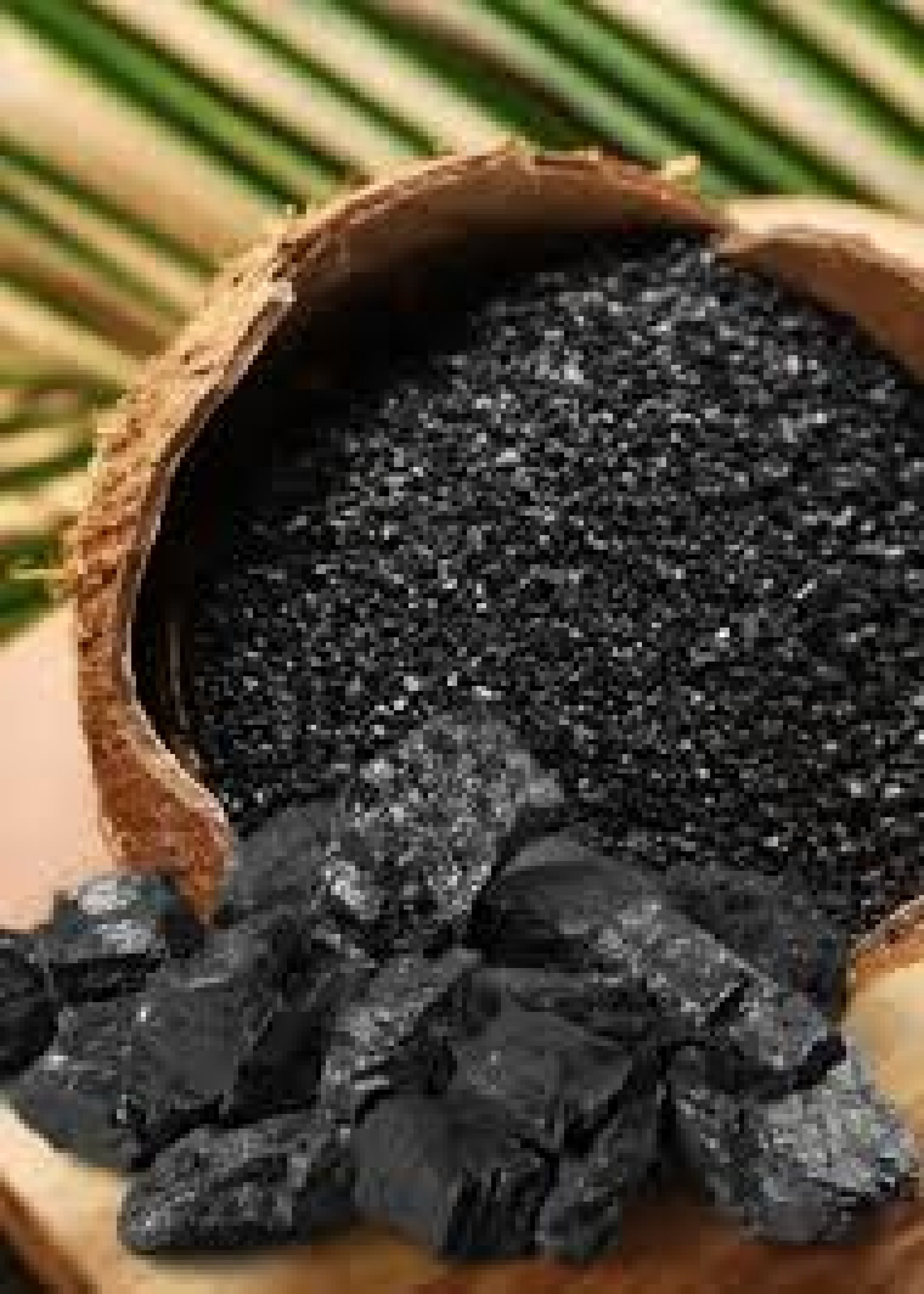
ถ่านกะลามะพร้าวคืออะไร ทำไมทางจีนนำเข้าเยอะ ใช้เยอะ By SO OK TRADING
Last updated: 23 Dec 2025
119 Views

COCONUT CHARCOAL USAGE & WHY CHINA IMPORT A LOT

Coconut charcoal is prized for BBQ, water filtration (activated carbon), and deodorizing, but China imports heavily due to massive manufacturing/tech needs (batteries, water treatment) and local shell shortages from increased whole coconut exports for food/beverage, creating huge demand for high-quality raw material that domestic supply can't meet, despite efforts to find alternatives. 
 
Uses of Coconut Charcoal
BBQ & Grilling: Burns longer, hotter, and cleaner with minimal smoke and a pleasant aroma, favored for food preparation.
Water & Air Purification (Activated Carbon): Its porous structure makes it excellent for adsorbing impurities in filters, a critical component in high-end water treatment and air purifiers.
Deodorizing: Small pouches are used in homes, cars, and fridges to absorb odors naturally.
Industrial Applications: Key for high-grade activated carbon used in gold recovery and emerging battery technologies (like sodium-ion batteries). 
 
Why China Imports So Much
Massive Industrial Demand: China's vast manufacturing, water treatment, and growing tech sectors (especially batteries) create huge demand for activated carbon, which requires high-quality coconut shell charcoal.
Domestic Supply Shortage: Increased global demand for coconut products (water, oil) means more whole coconuts are exported, leaving fewer shells for domestic charcoal production in coconut-producing nations, tightening supply for China.
Environmental Regulations: China's "dual carbon" goals push industries towards high-quality, low-emission materials, favoring premium coconut shell charcoal over lower-grade alternatives, notes news.metal.com.
Quality & Technology: China leverages its advanced tech to process imported raw shells into export-grade products, but still needs the high-density shells for top-tier applications, says Huameicarbon and news.metal.com.

------

COCONUT CHARCOAL USAGE TREND

Coconut charcoal is experiencing significant growth driven by increasing demand for sustainable, eco-friendly products and its versatile applications in various industries, from barbecuing to advanced filtration and energy storage. 
 
Key Usage Trends
Eco-Friendly Barbecuing (BBQ): This is a primary driver of demand in the US, Europe, and Australia. Consumers are increasingly choosing coconut charcoal as a sustainable alternative to traditional wood charcoal because it's made from a waste byproduct (coconut shells) and doesn't contribute to deforestation. It offers a cleaner, low-smoke, and long-lasting burn that allows the natural flavor of food to emerge.
Hookah/Shisha Market: Coconut charcoal cubes are the preferred choice in the Middle East and other regions for shisha use due to their consistent, odorless, and smokeless burn, which preserves the tobacco's flavor.
Activated Carbon Production: Coconut shell charcoal is a key raw material for high-quality activated carbon, which has strong adsorbent properties.Filtration and Purification: Activated carbon from coconut charcoal is widely used in water treatment, air purification systems, and industrial filtration (pharmaceuticals, food processing) to remove impurities and toxins.
Health and Beauty Products: It is a popular ingredient in cosmetics like face masks, cleansers, and personal care items such as natural teeth whitening toothpaste due to its detoxifying properties.
Industrial Applications: It is increasingly used as a clean-burning fuel in industrial furnaces, as a reducing agent in metallurgy, and for gold recovery processes. A notable emerging trend is its use in the production of hard carbon for sodium-ion batteries, a growth area in the energy storage sector.
Sustainable Energy/Biofuel: The push toward renewable energy sources has fueled the demand for coconut charcoal as a cleaner fuel alternative, used in clean cookstoves in developing regions and processed into briquettes/pellets for industrial boilers. 
 
Market Growth and Outlook
The market for coconut charcoal is expanding globally, projected to grow at a CAGR of over 6%. 
North America holds a major market share, driven by strong consumer demand for natural and sustainable products.
Asia-Pacific is the fastest-growing region, owing to abundant raw materials (Indonesia, the Philippines, India, Sri Lanka) and rising environmental awareness.
The market is facing challenges related to the volatility of raw material supply (affected by weather and crop cycles) and fluctuating shipping costs, which has led to price increases in 2024 and 2025. 
Overall, the trend is a shift towards coconut charcoal as a versatile, premium, and environmentally responsible material across both consumer and industrial applications. 

-----

IF INTERESTED TO BUY COCONUT CHARCOAL FROM THAILAND PLEASE GIVE INQUIRY TO SO OK TRADING


Related Content
BIO ENERGY (WOOD CHIP) Green Energy, Future Trend on carbon credit
Wood chip green energy uses sustainably sourced wood waste (branches, thinnings) as a renewable biomass fuel, burning it in boilers to create steam for electricity or direct heat, offering a carbon-neutral alternative to fossil fuels, reducing waste, supporting local forestry, and creating energy security. It's a versatile, cost-effective, and environmentally friendly way to generate heat and power while promoting responsible forest management. How it works Harvesting: Chips are made from forestry residues, tree thinnings, and wood processing waste. Combustion: Chips are fed into a boiler, creating hot steam. Power Generation: Steam turns turbines to generate electricity or provides direct heat for homes, businesses, and industrial processes. Key benefits Renewable & Sustainable: Replenished through managed forests. Carbon Neutral: Trees absorb CO2 as they grow, balancing emissions from burning. Reduces Waste: Utilizes byproducts that would otherwise go to landfills. Cost-Effective: Often cheaper than oil or gas. Energy Security: Decreases reliance on imported fossil fuels. Supports Local Economies: Creates jobs in forestry and biomass sectors. Applications Biomass power plants for electricity. District heating systems (e.g., for communities). Heating for homes, commercial buildings, and industrial facilities. Landscaping mulch or play area surfacing
24 Dec 2025
SOLAR CELL ทางเลือกใหม่ของผู้ใช้ไฟ
โซลาร์เซลล์เป็นทางเลือกใหม่ที่ช่วยประหยัดค่าไฟระยะยาว เป็นพลังงานสะอาดจากแสงอาทิตย์ ผลิตไฟฟ้าใช้เอง ลดค่าใช้จ่าย มีหลายระบบให้เลือก (On-grid, Off-grid, Hybrid) ติดตั้งง่าย ใช้ได้ทุกที่ แต่มีค่าลงทุนเริ่มต้นสูง แต่คุ้มค่าในระยะยาว พร้อมเทคโนโลยีใหม่ๆ อย่าง Perovskite ที่กำลังพัฒนาเพื่อเพิ่มประสิทธิภาพให้หลากหลายขึ้น ทั้งติดตั้งบนหลังคาอาคาร, หน้าต่าง หรือแม้กระทั่งใช้กับยานยนต์ไฟฟ้า. ข้อดีหลัก ประหยัดค่าไฟ: ลดค่าไฟฟ้าได้มากถึง 70% และคืนทุนใน 3-5 ปี. พลังงานสะอาด: เป็นมิตรต่อสิ่งแวดล้อม ไม่สร้างมลพิษ. พลังงานหมุนเวียน: ใช้พลังงานจากแสงอาทิตย์ที่ไม่จำกัด. ใช้ได้ทุกที่: ติดตั้งได้ทั้งบ้าน อาคาร หรือพื้นที่ห่างไกล. ระบบโซลาร์เซลล์ยอดนิยม On-Grid: ต่อตรงกับไฟบ้าน ได้รับความนิยมมาก คืนทุนเร็ว เหมาะกับผู้ใช้ไฟทั่วไป. Off-Grid: ใช้กับแบตเตอรี่ เหมาะกับพื้นที่ที่ไม่มีไฟฟ้า แต่ค่าใช้จ่ายสูงกว่า. Hybrid: ผสมผสาน On-Grid และ Off-Grid ใช้ได้ทุกสถานการณ์ แต่ลงทุนสูง. นวัตกรรมใหม่ที่น่าสนใจ Perovskite Solar Cells: เทคโนโลยีใหม่ น้ำหนักเบา ยืดหยุ่นสูง ประสิทธิภาพสูง เหมาะกับงานหลากหลาย เช่น ฉีดพ่นบนอาคาร, หน้าต่าง. พลังงานจากเม็ดฝน (TENG): เทคโนโลยีที่ผสมผสานเพื่อผลิตไฟฟ้าจากเม็ดฝนตกกระทบแผง ทำให้ผลิตไฟฟ้าได้แม้ในวันฝนตก. สิ่งที่ต้องพิจารณา ขนาดแผง: คำนวณให้เหมาะสมกับอุปกรณ์ไฟฟ้าที่จะใช้. ผู้ผลิต: เลือกผู้ผลิตที่น่าเชื่อถือ มีการรับประกันยาวนาน. การบำรุงรักษา: ทำความสะอาดแผงเป็นประจำเพื่อประสิทธิภาพสูงสุด. โซลาร์เซลล์จึงเป็นทางเลือกที่ตอบโจทย์ด้านพลังงานและสิ่งแวดล้อมได้ดีเยี่ยมสำหรับผู้ใช้ไฟฟ้าทุกกลุ่ม.
12 Dec 2025
เกร็ดความรู้ การใช้เชื้อเพลิงชีวภาพในภาคอุตสาหกรรม  By SO OK
เกร็ดความรู้ เชื้อเพลิงชีวภาพ ในภาคอุตสาหกรรม การใช้เชื้อเพลิงชีวภาพในภาคอุตสาหกรรมช่วยลดต้นทุนและมลภาวะ โดยนำวัตถุดิบทางการเกษตร (เช่น ฟางข้าว ซังข้าวโพด) ของเสียจากโรงงาน (เช่น น้ำเสีย) และพืชพลังงาน (เช่น สาหร่าย) มาผลิตเป็นพลังงานชีวมวล (เม็ดเชื้อเพลิง) ก๊าซชีวภาพ (Biogas) ไบโอดีเซล และเอทานอล เพื่อใช้ทดแทนเชื้อเพลิงฟอสซิลในหม้อไอน้ำ โรงไฟฟ้า และยานยนต์ ซึ่งสนับสนุนเศรษฐกิจ BCG ลดการพึ่งพาพลังงานภายนอก และสร้างความมั่นคงด้านพลังงาน. ประโยชน์หลัก: ลดต้นทุนและพึ่งพาเชื้อเพลิงฟอสซิล: แทนที่ถ่านหิน น้ำมันเตา ด้วยพลังงานหมุนเวียน. ลดมลพิษ: ลดฝุ่น PM 2.5 กลิ่น และก๊าซเรือนกระจก. เพิ่มมูลค่าเกษตรกรรม: สร้างรายได้จากผลผลิตทางการเกษตรเหลือใช้ (Zero Burn). สร้างความมั่นคงทางพลังงาน: เพิ่มสัดส่วนการใช้พลังงานหมุนเวียนในประเทศ. รูปแบบการใช้งานในอุตสาหกรรม: เชื้อเพลิงชีวมวล (Biomass Fuel): นำฟางข้าว ซังข้าวโพด กากอ้อย มาอัดเป็นเม็ด (Energy Pellet) ใช้เป็นเชื้อเพลิงในหม้อเผาของโรงงาน (เช่น โรงงานปูนซีเมนต์). ก๊าซชีวภาพ (Biogas): เกิดจากการย่อยสลายสารอินทรีย์ในน้ำเสีย หรือของเสียจากโรงงานและฟาร์มสัตว์ นำมาใช้ผลิตไฟฟ้าหรือทดแทนแก๊ส LPG ได้. ไบโอดีเซล (Biodiesel) และเอทานอล (Ethanol): ผลิตจากพืชน้ำมัน (ปาล์ม) และพืชหัว (มันสำปะหลัง อ้อย) ใช้ผสมในน้ำมันดีเซลและเบนซิน (แก๊สโซฮอล์). พลังงานจากสาหร่าย (Algae Biofuel): สาหร่ายเติบโตเร็ว ดูดซับคาร์บอนได้ดี นำมาผลิตเป็นไบโอดีเซลและเชื้อเพลิงอื่นๆ. ตัวอย่างอุตสาหกรรมที่ใช้: อุตสาหกรรมปูนซีเมนต์/ก่อสร้าง: ใช้ชีวมวล (ฟางข้าว) แทนถ่านหิน. อุตสาหกรรมอาหาร: ใช้ก๊าซชีวภาพจากน้ำเสียเป็นพลังงาน. อุตสาหกรรมเคมีภัณฑ์และวัสดุชีวภาพ (Bio-based Industry): ใช้พืชผลทางการเกษตรเป็นวัตถุดิบหลักในการผลิตสารเคมี, PLA (Polylactic Acid). การพัฒนาอุตสาหกรรมเชื้อเพลิงชีวภาพเป็นส่วนสำคัญของโมเดลเศรษฐกิจ BCG (Bio-Circular-Green Economy) ของไทย เพื่อขับเคลื่อนสู่เป้าหมาย Net Zero และเพิ่มศักยภาพการแข่งขันของประเทศ. การพัฒนาเพื่อการ เชื้อเพลิงชีวภาพ มีหลากหลายประเภท ทั้งไม้สับ ไม้อัดแท่ง ไม้อัดแท่งสีดำ กะลาปาล์ม กะลามะพร้าว และเศษวัสดุทางการเกษตร ช่วยลดมลพิษ สนับสนุนเศรษฐกิจหมุนเวียน.
7 Dec 2025
This website uses cookies for best user experience, to find out more you can go to our Privacy Policy and Cookies Policy
Compare product
0/4
Remove all
Compare
Powered By MakeWebEasy Logo MakeWebEasy