SO OK TRADING 'S INSIGHT: Deep Dive into the Aluminum P1020 Market — From Portland to Asia, Global Supply Crisis and Thailand’s Opportunities, Lessons from the Supply Squeeze and Outlook for 2027
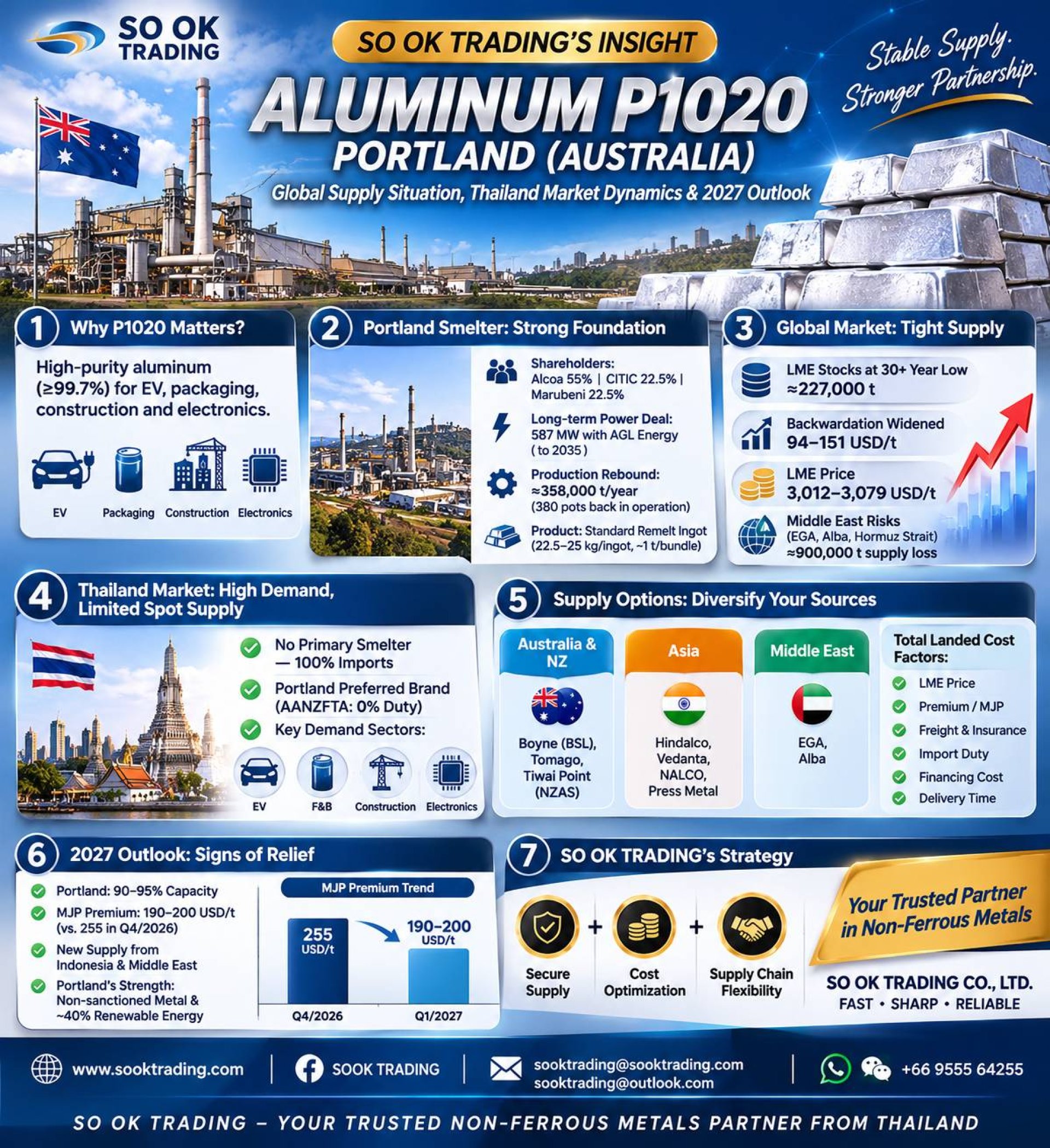
SO OK TRADING 'S INSIGHT: Aluminum P1020 Supply Situation from Portland Smelter (Australia)
1. Introduction
Aluminum grade P1020 (minimum purity 99.7%) is a key raw material used in the electric vehicle, packaging, construction, and electronics industries worldwide. In Asia, which relies heavily on imports, the Portland Aluminium Smelter in Victoria, Australia plays a vital role in supplying the global market and stabilizing the Asia–Pacific region.
2. Stability and Production Capacity of Portland Smelter
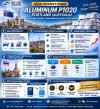
Shareholding Structure: Alcoa of Australia (55%), CITIC (22.5%), Marubeni Aluminium Australia (22.5%). Each shareholder receives production quotas proportionate to their stake.
Long-Term Power Contract: Agreement with AGL Energy securing 587 MW of electricity until 2035, ensuring long-term cost stability.
Production Recovery: In September 2026, 380 pots were restarted, bringing output close to full capacity at 358,000 tons per year (95%).
Product Form: Produces only Standard Remelt Ingots (22.5–25 kg per bar, bundled ~1 ton). Billets and T-bars are not produced.
3. Global Market Overview and Supply Pressures
Even with Portland running near full capacity, the global market faces severe supply constraints:
LME Stocks: At the lowest level in over 30 years, only ~227,000 tons, mostly Russian-origin aluminum.
Backwardation: Cash/3M spread surged to 94–151 USD/ton.
Price Levels: LME aluminum traded between 3,012–3,079 USD/ton.
Middle East Crisis: Attacks on EGA and Alba smelters, plus disruptions in the Strait of Hormuz, removed ~900,000 tons of supply.
Asian Premiums Rising: Driven by diversion of supply to Europe/US and EU CBAM measures, MJP premiums climbed sharply.
4. Situation in Thailand
Thailand has no primary smelter and relies entirely on imports. Portland brand aluminum is highly sought after but scarce:
Quota Bound by Long-Term Contracts: Most supply allocated to Japan and Korea, leaving little for Southeast Asia’s spot market.
AANZFTA Zero Tariff Advantage: Australian aluminum enjoys duty-free imports, giving Portland a competitive edge.
High-Demand Industries:
EV automotive (lightweighting, battery cooling systems)
Packaging (Thailand is a major exporter of canned tuna and beverages)
Construction and electronics (EEC investments, heat sink production)
Scrap Import Restrictions: Tightened policies in late 2026 increased demand for primary ingots.
5. Alternative Options for Thai Buyers
Other Australian/NZ Brands: Boyne (BSL), Tomago, Tiwai Point (NZAS).
Asian & Middle Eastern Brands: Hindalco, Vedanta, NALCO (India), Press Metal (Malaysia), EGA and Alba (GCC). Cost differences and tariffs must be considered.
6. Outlook for 2027 (ALUMINUM PORTLAND: SUPPLY)
Spot market remains tight, but positive signals are emerging:
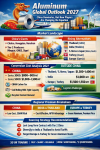
Portland Full Capacity: Output restored to 90–95% of maximum.
MJP Premium Decline: From 255 USD/ton (Q4 2026) to 190–200 USD/ton (Q1 2027).
New Supply Sources: Indonesia and Middle Eastern smelters resuming production.
Portland Strengths: Non-sanctioned metal, ~40% renewable energy usage, advantageous for EU CBAM compliance.
7. Conclusion
Portland (Australia) aluminum remains in high demand across Thailand and Asia due to LME-standard quality and tariff advantages. While short-term spot supply remains constrained, 2027 is expected to bring gradual relief as new supply enters the market. Meanwhile, demand from EV and packaging industries will continue to grow.
SO OK TRADING: Your Business Partner SO OK TRADING: FAST SHARP RELIABLE
VISIT US AT: WWW.SOOKTRADING.COM FACEBOOK: SOOK TRADING
For inquiries about ALUMINUM INGOT, please contact SO OK TRADING:
E-mail: SOOKTRADING@SOOKTRADING.COM , SOOKTRADING@OUTLOOK.COM WECHAT / WHATSAPP: +66955564255
SO OK TRADING: The True Expert in Non-Ferrous Metals from Thailand