SO OK TRADING INSIGHT: The Golden Era of Recycled Aluminum — Transforming the Global Circular Economy Towards a Green Aluminum Future 2026–2027
SO OK TRADING’S INSIGHT
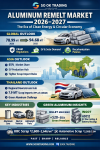
Aluminum Remelt Market Outlook 2026–2027
The Golden Era of Clean Energy and Circular Economy
In a world driven by sustainability (ESG) and decarbonization policies, the aluminum remelt industry (Aluminum Remelt or Secondary Aluminum) is entering its “golden era.” What was once considered “scrap” is now being elevated into premium raw material, capable of reducing energy consumption by up to 95% compared to primary aluminum production from bauxite ore.
Global Outlook
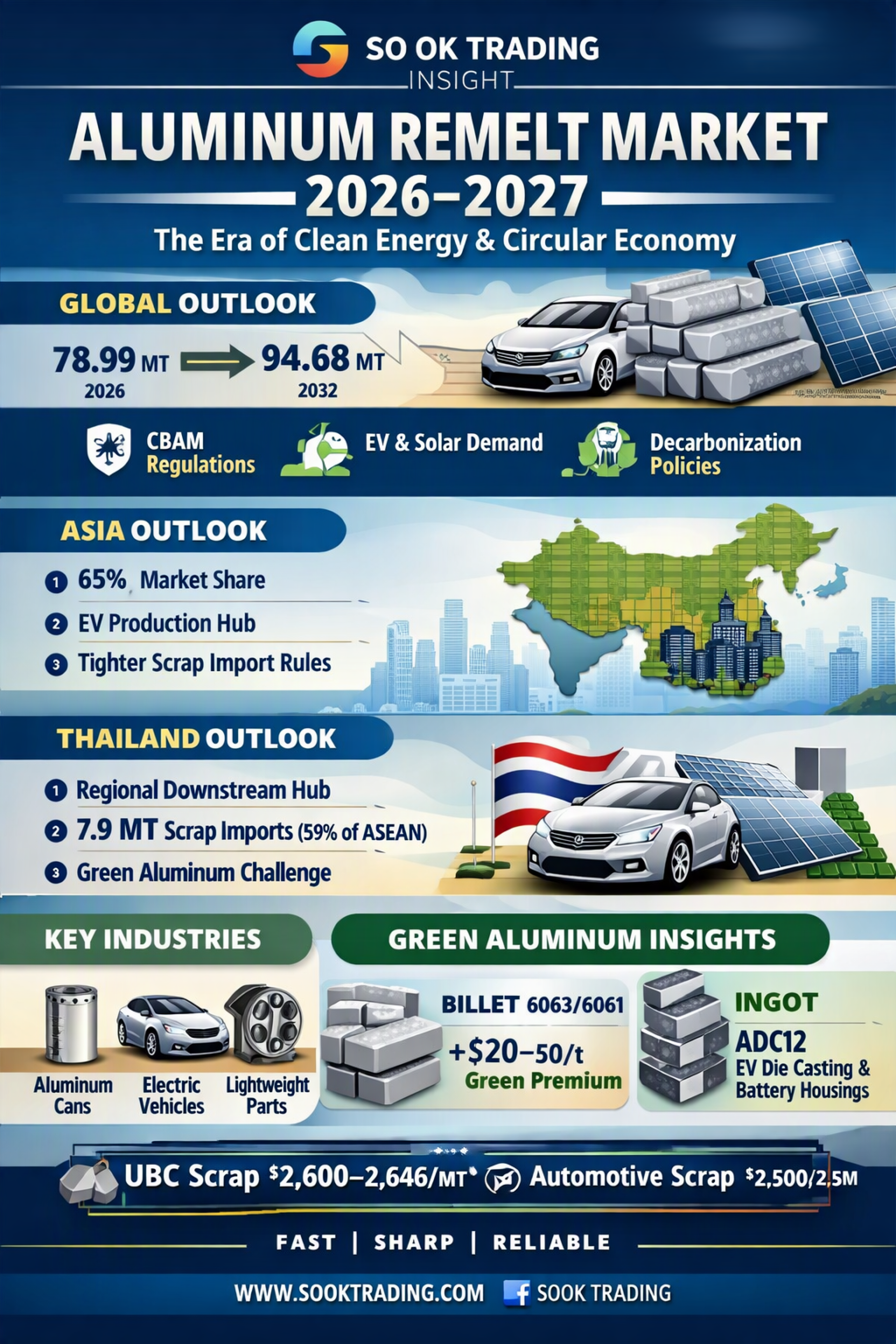
Market Growth: The global aluminum market is projected to grow from 78.99 million tons in 2026 to 94.68 million tons by 2032. Market value is expected to reach USD 454.84 billion by 2034, with a CAGR of 6.20%.
Key Drivers: EU CBAM regulations, surging demand from EV and solar industries, and clean energy policies worldwide.
Risks and Challenges: Geopolitical tensions in the Middle East and disruptions in maritime logistics have caused raw material prices to fluctuate sharply, pushing producers to rely more on regional scrap and remelt facilities to mitigate supply chain risks.
Asia Outlook
Global Center: Asia-Pacific holds the largest market share at 65.10%, led by China and India.
EV Hub: As the world’s largest EV production base, demand for premium remelt aluminum (e.g., ADC12) for die-casting components is rising rapidly.
Scrap Import Controls: Several Asian countries are tightening restrictions on low-grade scrap imports, driving investment in clean smelting and advanced sorting technologies.
Thailand Outlook
Growth and Regional Role: Thailand’s aluminum market is expected to reach USD 15.45 billion by 2030 (CAGR 10.46%), positioning itself as ASEAN’s Regional Downstream Hub.
Scrap Import Leader: Thailand imports 7.9 million tons of scrap (59% of ASEAN), supplying remelt facilities to produce billets and ingots for downstream industries.
Key Industries:
Packaging (Aluminum Cans): Strong growth driven by closed-loop recycling.
Automotive & EV Components: While ICE vehicle demand slows, EV parts and lightweight transport materials present new opportunities.
Challenges: Thailand lacks domestic bauxite resources and relies heavily on imports. U.S. tariffs (25%) on Thai aluminum exports further pressure producers to accelerate the transition to “Green Aluminum.”
Product & Price Insights (Green Aluminum)
Billet (6063/6061): Strong demand from construction and electronics industries. Green Premium adds USD 20–50 per ton, especially for certified low-carbon billets.
Ingot (ADC12): ICE demand is declining, but EV structural die-casting and battery housings are driving new demand.
Domestic Prices (Thailand, Nov 2026)
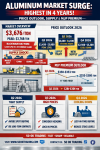
UBC Scrap: 53–62 THB/kg
Auto Wheels: 68–75 THB/kg
Cast Components (Cylinder Heads, etc.): 48–58 THB/kg
Global Prices
UBC Scrap: USD 2,600–2,646/ton
Automotive Scrap: USD 2,500–2,580/ton
Carbon Policy Impacts
EU CBAM: Remelt aluminum reduces carbon emissions by 95%, offering significant competitive and tax advantages.
Thailand Taxonomy: Facilities adopting high-efficiency furnaces and renewable energy can gain tax incentives and carbon credits.
♻️ Scrap Dynamics
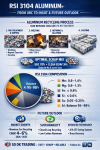
UBC (Used Beverage Cans): Highest demand, primarily for closed-loop recycling into new cans.
Automotive Scrap: Ideal for ADC12 ingot production.
Industrial Extrusion Scrap: High-purity 6063 grade, most sought after for billet production.
✨ Conclusion
2026–2027 marks the golden era of Aluminum Remelt. Demand from EVs and solar industries will continue to drive growth, while carbon regulations and geopolitical risks make remelt aluminum a “strategic choice” for producers worldwide.
Thailand has the opportunity to rise as ASEAN’s key hub if it successfully transitions to full-scale Green Aluminum production, securing competitiveness in the global market.
SO OK TRADING: Your Trusted Business Partner FAST | SHARP | RELIABLE SO OK TRADING — The True Expert in Non‑Ferrous Metals from Thailand www.sooktrading.com Facebook: SOOK TRADING